

Know the types of wire wires
How many types of wire do we have?
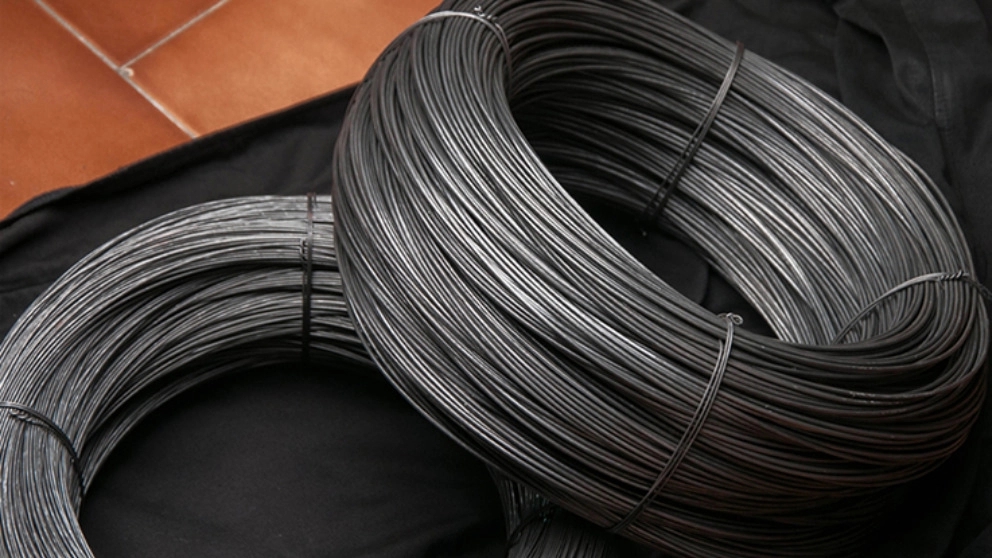
Black wire (annealed)
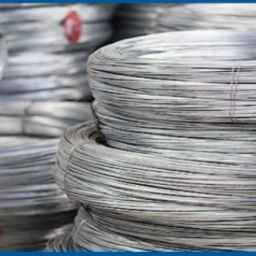
Galvanized wire (white wire)
Spring wire (high carbon)
Stainless steel wire (do not )
Masawar wire
This type of wire has differences from thermal wire in terms of specifications and price. They use heating and pulling rebar to make wire fabric. To make wire, non-fabric wires are produced by cutting metal belts. Fabric and non-fabric wires each have characteristics and properties that are suitable for different applications. In terms of price, copper wires are more expensive than aluminum wires. In terms of flexibility, steel wire is a suitable option.
They usually produce annealed wire or black wire at a temperature of 800 to 900 degrees. The thickness of these wires is 1.5 to 6 mm. In the market, black wire can be found in coils of 15 to 20 kg. This product is used for purposes such as packaging, reinforcement (as reinforcement wire), the basic product for making galvanized wire, in agriculture, molding, etc.
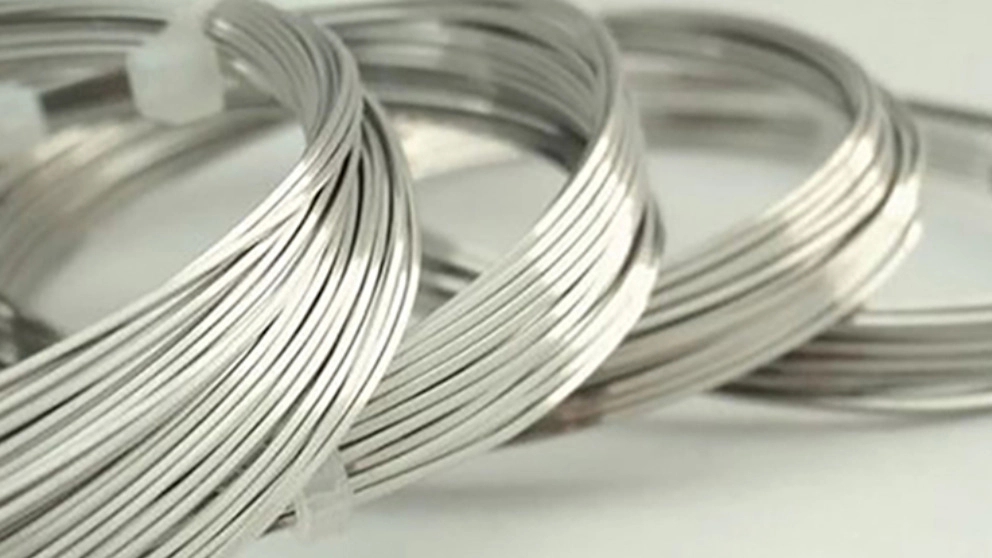
Galvanized wire is produced in both hot and cold conditions. In the hot state, the carbon in the black wire (base wire) is reduced by heating. This increases the flexibility of the product. Then the wire is electroplated and it is used to make all kinds of nets. To make cold galvanized wire, the layer of zinc metal is drawn on the wire with the electrolysis system. The thickness of this layer is low and thin. Cold galvanized wire can be found in the market both in the form of branches and coils. You can contact us to learn more about wire industries with other sizes and specifications. Because the thickness of the hot galvanized coating is greater than the thickness of the cold galvanized coating, the resistance of hot galvanized is higher, it also has high resistance in weather conditions and it is easier to maintain.
Spring wire (high carbon) has 6 to 9% carbon in its structure. The diameter of this wire is between 2 and 12.5 mm. In this category, products are divided into high-carbon, chromium spring steel, and vanadium spring categories based on the amount of carbon, chromium, and vanadium. The characteristics of spring wire are its elasticity, flexibility and high resistance to corrosion, and it is used to make all kinds of springs, cutting blades and saws. There are compounds such as carbon, iron, nickel and chromium in the alloy of stainless steel wire. This alloy is also known as stainless steel. Stainless steel is resistant to moisture and corrosion, chemicals and salt water and has many applications in various industries.
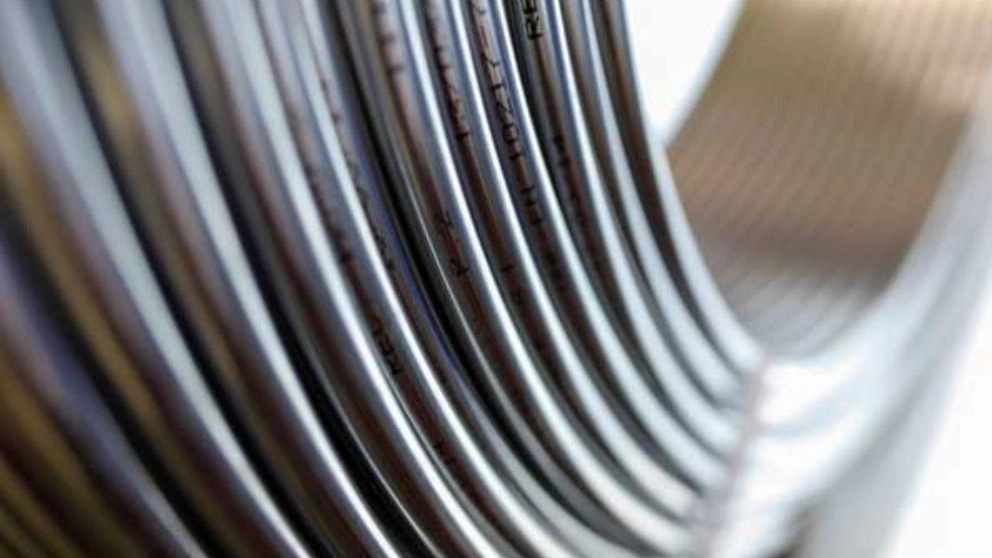
To make maswar wire, first the wire is brought to the desired diameter, then it is degreased and coated with copper sulfate. Usually, the maswar wire is produced in a small size up to 0.7 mm and it is used in making staple needles, for sewing cartons, making household appliances, insulation, etc.