
Food
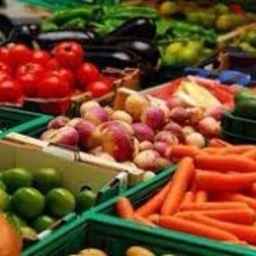
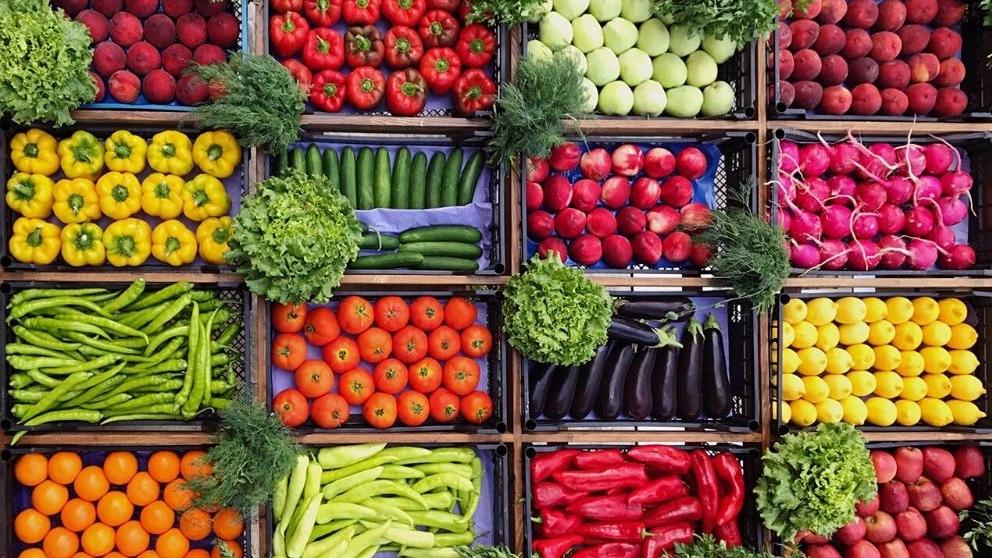
From the agricultural point of view, food products are considered separate from animal feed products. Food products are the products that we are more used to seeing in the production department of food factories and on the label (image) on the packaging of processed foods based on vegetables and grains (oils, starches, proteins and flours). For example, in the category of agricultural products, wheat, barley, soy, and corn are among the food products that are obtained directly, either as organic or inorganic products, from agricultural activities. Of course, most of the wheat we buy in our daily life is in the form of bread, pasta and other products made from wheat flour, and this applies to other grains as well. Many people think that food crops such as vegetables are generally grown in small farms for sale in local markets, but in fact, most of these crops are also grown in large farms, and to facilitate the planting and harvesting processes, they use specialized machinery. and new agricultural technologies are used.
Animal feed
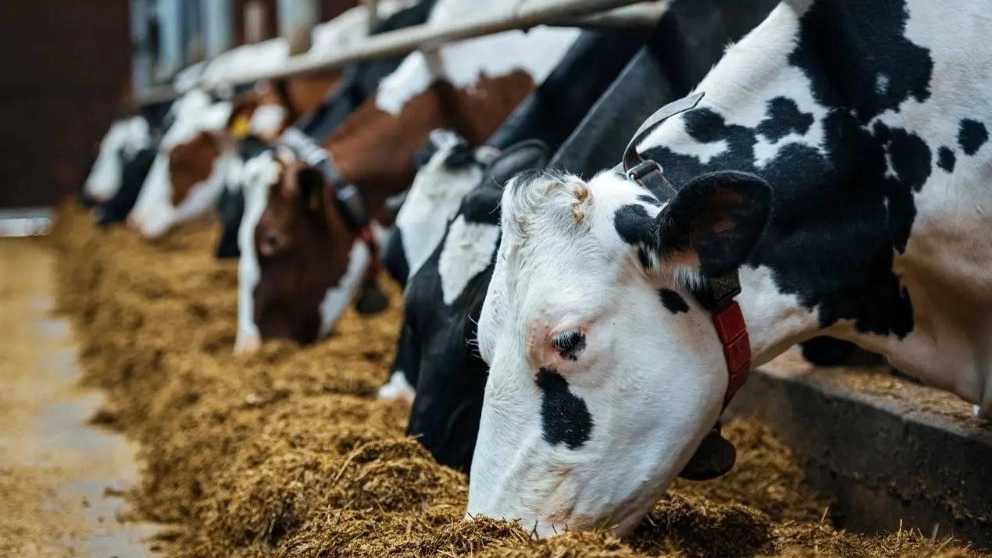
Alfalfa and other fodder crops are grown for their stems, leaves, and other plant parts that can be used as animal feed. Livestock either graze these crops in pastures or feed on fodder that has been stored for this purpose. The stored forms of animal feed products are:
- The crop of alfalfa, which is cut while it is still green, spends enough time to dry in the field, and then it is packed and stored in a suitable way so that it can be fed to livestock whenever it is needed.
- Silage products that are harvested in green and fresh conditions and then stored in anaerobic conditions to increase the shelf life of the product. Then, during the controlled fermentation process, plant sugars are decomposed into organic acids, especially lactic acid, to improve the quality of animal feed.
- Chopped fodder that is cut, harvested and fed to livestock while it is still green and moist.
Fibers
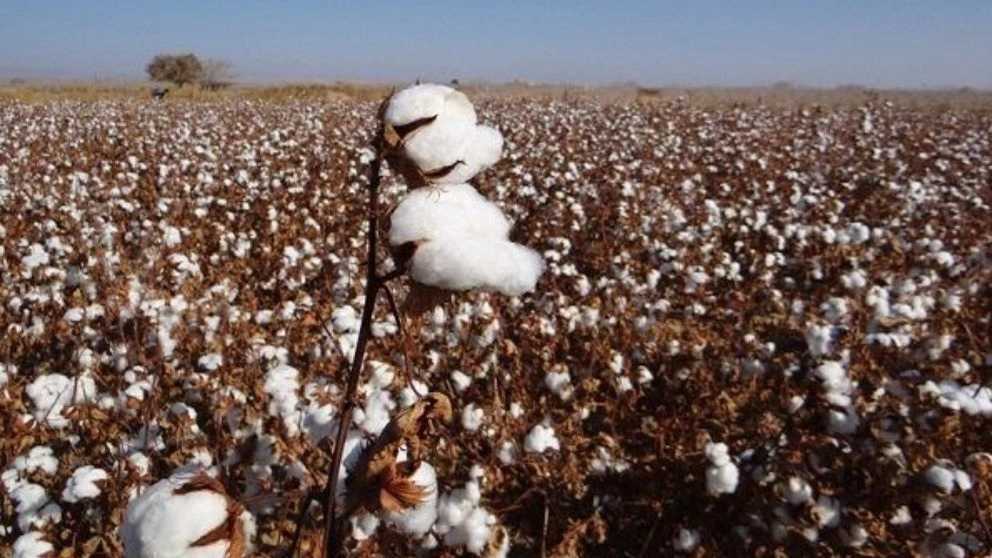
It may be a little hard to imagine that even a pair of jeans is the result of planting and harvesting a specific agricultural product in the fields, but in fact, cotton cultivation and the production of yarn and fabric from it is a very big business! Cotton producers develop this industry hand in hand with researchers and textile industry experts. In our country, Fars and Razavi Khorasan provinces have the highest amount of cotton production. The cotton plant, like other agricultural products, needs water, nutrients and other things that plants use during the growth stages of the product to grow. Industrial hemp is also a product of the fiber category, which ranks second after cotton in terms of production and diversity among natural fibers.
Fuel products
During the last few decades, many developed countries have tried to achieve more independence in the field of energy. Biofuels and biodiesel crops have received attention in many of these countries, and even governments and unions have considered incentive programs for the cultivation of these crops. In the category of agricultural products, there is a special category of products that are (mostly) grown on farms to be converted into ethanol and biodiesel.
- Sugar-based biofuels, such as ethanol, are produced by fermenting plant sugars. The main sources of these sugars are sugarcane and corn. Other sources include wheat, barley, rice, cereals, sweet sorghum, and sugar beets.
- Cellulosic biofuels: Research continues to find optimal ways to produce biofuels from plant materials such as corn stalks, alfalfa, or wood products. . These types of fibrous plants contain large amounts of cellulose. Cellulose can be converted into sugar and then the sugar can be fermented into ethanol. - Biodiesel: Biodiesel is usually produced from vegetable oil, and originally from most plants that produce oil seeds. Common sources of biodiesel include rapeseed, sunflower, soybean, palm, and camelina. It is interesting to know that the first biodiesel used in **** as a fuel in Adolf Diesel's newly invented engine was nothing but peanut oil!