

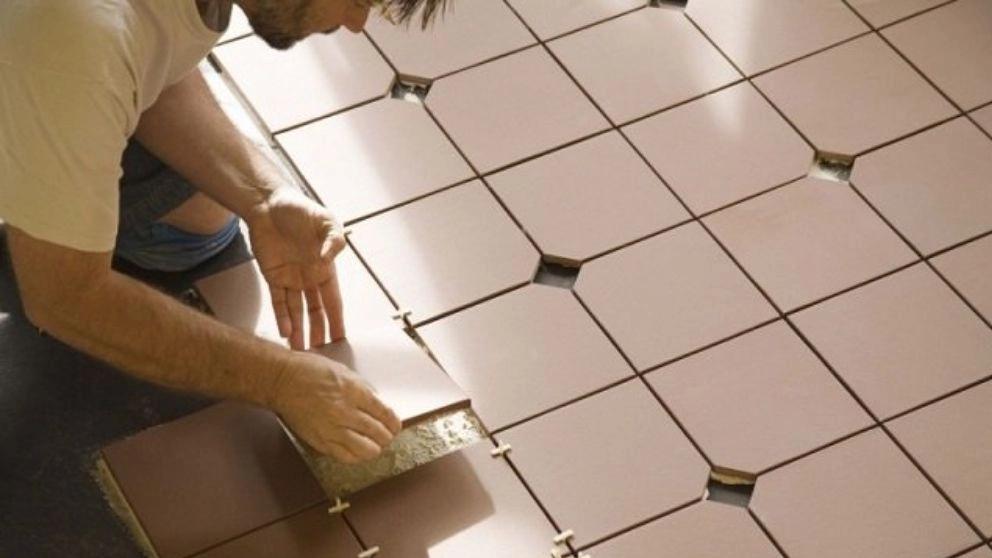
⚫️ Implementation of ceramic view
Ceramic has a variety of designs and colors for facades, which makes it attract the attention of every taste. The ceramic design for the implementation of the ceramic facade includes modern and classic designs. We must say, to benefit from the advantages of the ceramic facade, it depends on how it is installed in the facade. That is, the more the facade contractor pays attention to the small details, basic principles and expertise in the execution of the ceramic facade of the building, the more beautiful the facade will be for the building, the longer the lifespan of the ceramic used in the execution of the facade will be. In general, it can be said that due to the controllability of this material model, the design and installation of ceramic facades are very popular. Of course, you should know that the ceramic that is used in the interior decoration of houses, such as the ceramic floor of the kitchen and reception area, is different from the ceramic that is used for the facade of the building.
What are the benefits of using a ceramic facade of the building?
Remember that it is better to use ceramics for the exterior of buildings, especially in cold regions. Because ceramic makes less water absorbed by the building. Also, this material is widely used as moisture insulation in areas such as the north or the south with high humidity.
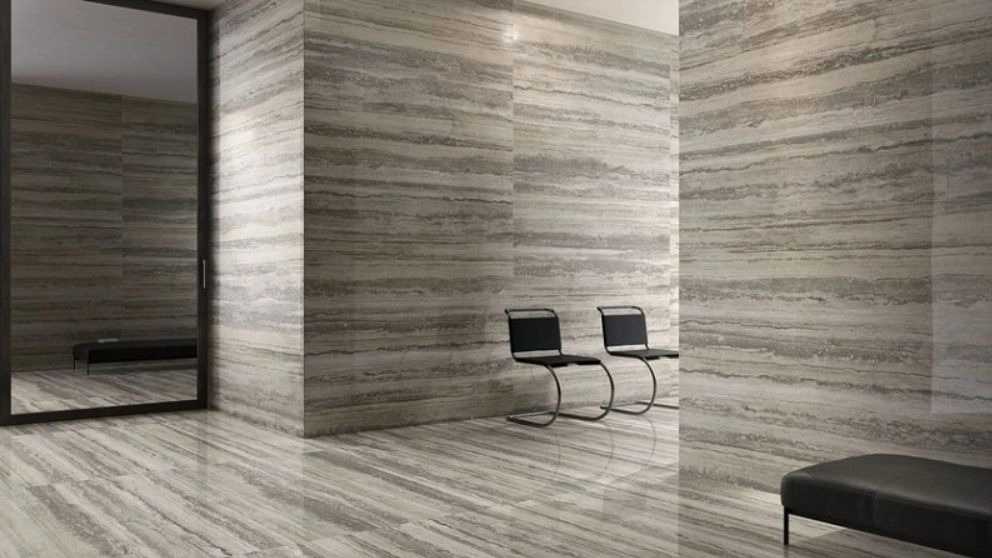
⚫️ How to execute ceramic views
The design of the ceramic facade is effective in the installation method of this ceramic facade. Depending on the type and design of the ceramic facade, the following two methods are used to install the facade of the building:
mortar method (old method)
Dry method
⚫️ Implementation of ceramic facades by mortar method:
The ceramic that is installed with this method must have the ability to absorb water behind it. In the time-consuming mortar method, care must be taken to ensure that the connection between the mortar and the ceramic is strong.
⚫️ How to Implement Dry Ceramic Facade:
There is no mortar in this model of the ceramic facade of the building. In the dry method, screws and hooks are used to install ceramics.
What are the benefits of implementing dry ceramic facades?
High speed of execution and installation of material Absence of construction waste and noise during its installation Reducing building energy waste Ease of implementation for high-rise buildings to not use mortar
⚫️ در انتخاب سرامیک برای اجرای نما به چه فاکتورهایی باید توجه کنیم؟
Stone design ceramic is one of the most popular facade ceramic designs. In addition to having the beauty of stone, ceramic design with stone facade is better than stone facade in many physical and technical aspects. Another element that is effective in the design of ceramics is the local taste of the area where the structure is being built. The type of building is also influential in choosing a ceramic facade design. In this way, the design of the ceramic facade is different in residential, office and commercial buildings. In fact, the hands of architects and engineers have become more open in the design of the facade with the advancement of technology. With the emergence and production of facade ceramics, many people like to use this material on the exterior of their buildings due to their unique features and capabilities.
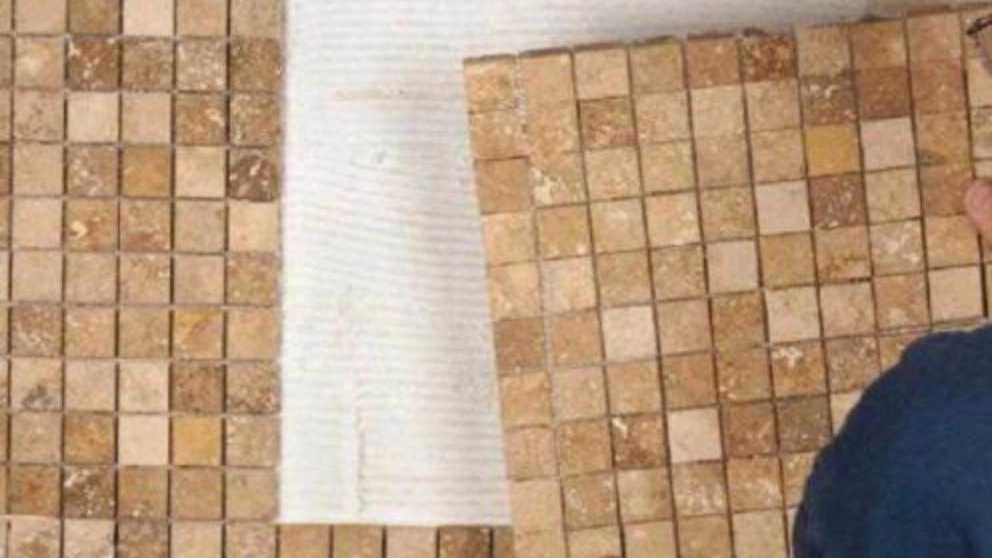
⚫️ Implementation of the tile facade
The facade tile in the construction industry is exposed to various environmental conditions due to the location on which the work is done. Accurate identification and classification of the environmental conditions in which the tile is to be used has a direct impact on the method of implementing the tile facade. Due to being exposed to the open environment, facing tiles and ceramics are subject to the following conditions:
humidity and moisture
Cold, heat and freezing
Possible hits
Direct and indirect sunlight and UV rays
According to the environmental conditions that we have mentioned to you, the tile for the facade should be selected according to it, so that it can have a longer life on the facade in the current conditions and be a good insulator for the exterior of the building against snow, rain, cold and heat. Also, the facade of the building is beautiful. The implementation of the building tile facade is also the same as the implementation of the ceramic facade, which we will explain for you in the next part:
How many are the methods of implementing the facade with tiles?
For the execution of the tile facade of the building, according to the type of tile, the facade contractor uses two or three different methods, two of which are known as the dry method and the other method is known as the mortar method. In the following section, we will fully explain how to implement the facade of the building tile:
⚫️ Implementation of building tile facades with mortar:
Executing the facade of building tiles with mortar using mortar is the oldest method. To install with this method, the tile must be able to absorb water so that you can use old mortars such as cement slurry. In general, the use of this method for high-rise buildings is troublesome and will cause problems in addition to the fact that the tiles have less resistance. In the traditional method, which is a time-consuming method, care must be taken to make sure that the connection between the mortar and the tile is strong, otherwise, the tile will be separated from the facade if there is a small impact on the building or thermal shock. "font-family: IRANSansFa; font-size: 1rem;">.
⚫️ Principles of Tile Exterior of the Building
It is recommended to the building facade contractor to use the dry method when implementing the ceramic and tile facade, the dry method is much better than the mortar method and has more advantages. Because it does not require a lot of time and the installation of ceramics and tiles is done easily and without leaving a residue.
On the surfaces that have been covered with plaster or brick or tiles, tiles can be glued with glue.
The builder or tiler should be able to handle this task well and have already acquired the necessary skills with this type of adhesives. Because these adhesives are widely used in the construction industry due to their good properties and quality.
Compliance with safety and protection principles is mandatory due to the presence of chemicals in the composition of these adhesives, whose main ingredients are polymers or cement. These adhesives are resistant to moisture and are used in tiling, bathrooms, toilets, kitchens, and toilets, because in these places, the percentage of moisture is up to 70% higher than in other parts of the building.
It is also mandatory to observe the safety principles during installation, which releases ammonia when the adhesive is removed. In some adhesives that are used in the form of putty, these adhesives are also composed of several types of special chemicals, so safety and protection principles must be observed in the installation of tiles with all types of adhesives.