
Yellow gold
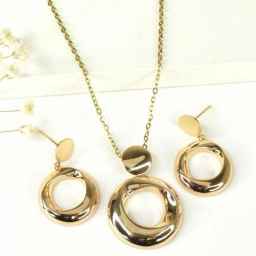
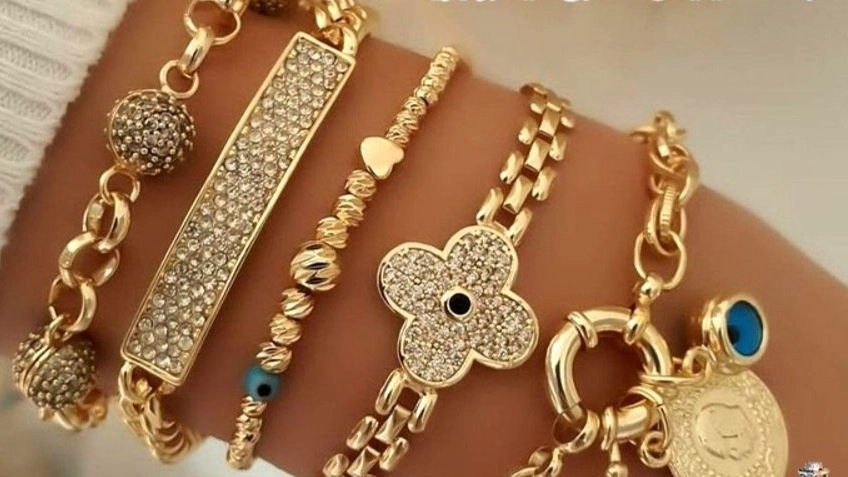
Yellow gold is what we think of when we think of pure gold. As explained above, yellow gold can come in different carats and thus prices. In Iran, 18 carat gold is more common and is generally composed of gold, copper and silver.
White gold
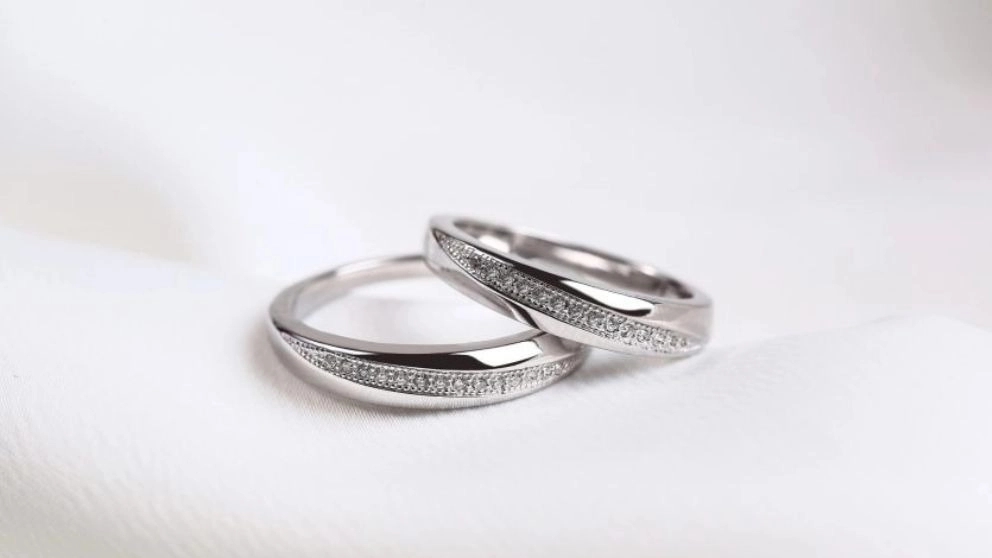
White gold is an alloy of gold and white metals such as silver, platinum, palladium or nickel. Pink gold and green gold have been called white gold in certain periods of history. When white gold is combined with silver, it becomes harder, while palladium creates a more malleable alloy. Due to its wide nature, white gold comes in different grades and prices.
Green gold
Green gold is one of the natural colors of gold that was discovered by the Lydian people - the ancient inhabitants of the Anatolian peninsula. The Lydians were probably the first people to use coins as currency and to manipulate the value of their money to profit from their trade with other countries.
Pink gold or rose gold
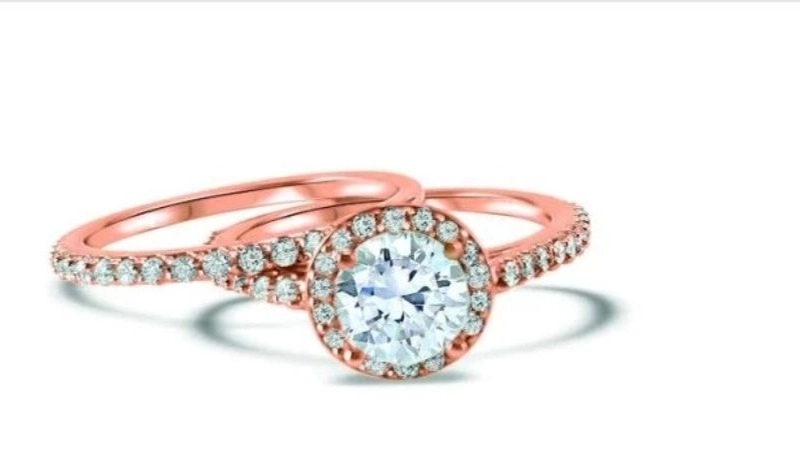
Pink gold or rose gold was a favorite of the Russian aristocracy in the early 1800s. After the October Revolution of 1917, the aristocracy fled to the West and used these pieces to make their fortunes in the new countries. In the 1920s, this metal gradually fell out of fashion, and in recent years it has become fashionable again. Rose gold is a gold-copper alloy that is closely related to red and pink gold, its distinction is the ratio of gold to copper and the addition or absence of silver.
Blue gold
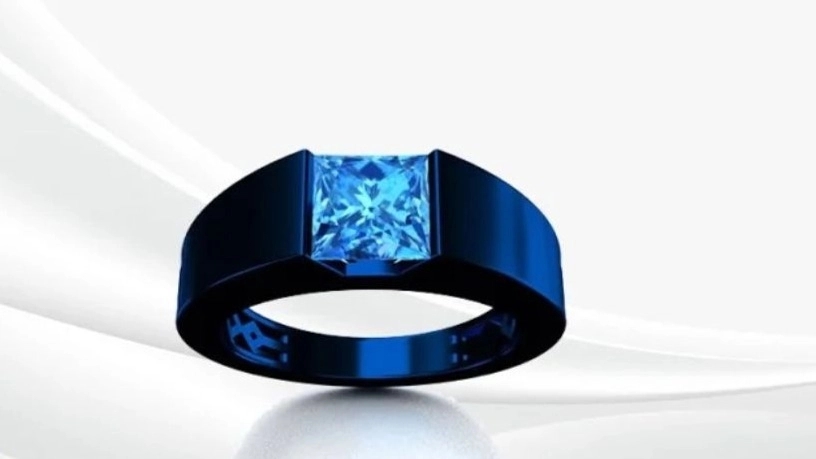
Blue gold is a relatively new phenomenon that has not been noticed yet. Blue gold is an alloy of gold and gallium or indium and is usually placed at a purity level of about 11 karat and is relatively durable and cheap. Light blue gold is generally sterling silver pieces that have been plated with gold and colored with a blue agent.
Green
History of greenish gold goes back to the 6th century BC. As mentioned above, green gold was used as currency by the Lydian people in modern day Turkey. But in ancient Egypt, greenish gold was referred to as white gold and was used for sacred structures such as pyramids. This alloy has been used for the Nobel Prize since 1980. Greenish gold is available in 18 carat (75% gold) and 14 carat (58.5% gold) versions, the shade of which is different due to the levels of gold, silver, copper, zinc, cadmium and nickel used in its production.
Tusi gold
Gray or gray gold is a type of white gold of gold-palladium alloy and very soft, which has limited use.
Purple gold
Purple gold is a gold-aluminum alloy that is rarely used for jewelry because the addition of aluminum makes the gold brittle. For this reason, despite the high grade (typically 88% gold), it is usually used in a gold ring or bracelet instead of a piece of jewelry.
Red gold
Red gold is an alloy of gold with at least one other metal (eg copper). This gold, like rose gold, was common in Russia in the early 19th century and was also known as Russian gold, although this term is now obsolete. The deep and rich brownish golden shade of this gold color gives it an earthy and rustic look similar to bronze color.
Black gold
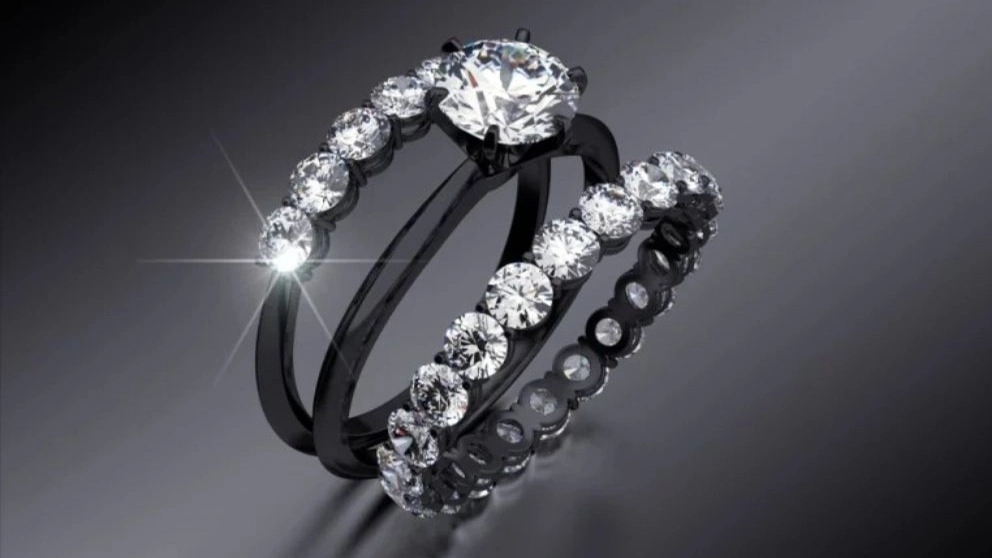
Black gold can be made by 3 methods of oxidation, chemical vapor deposition and patination.