

Medical equipment
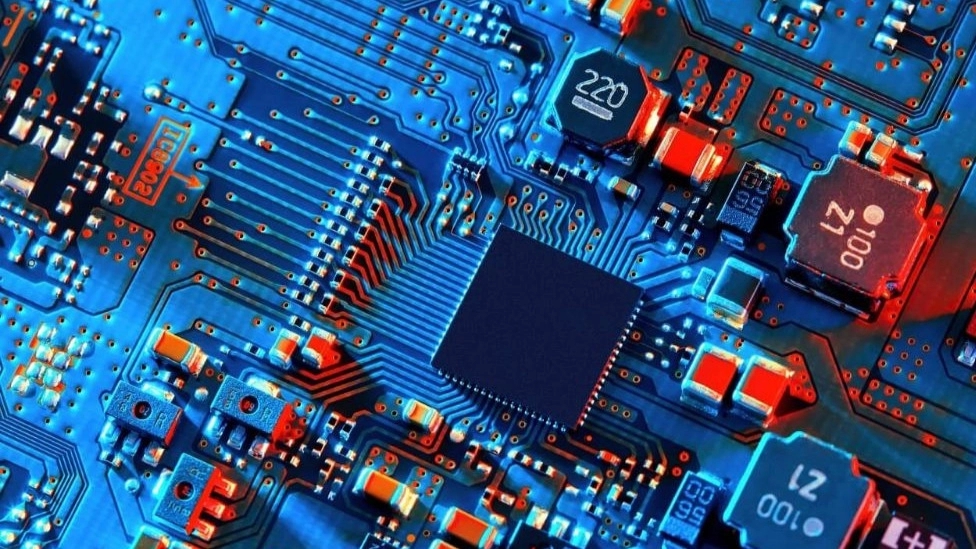
Today's electronic products are denser than in the past and consume less energy than previous generations, which makes it possible to test new and exciting medical technologies. Most medical devices use high-density PCBs, which are used to create the smallest and most compact design possible. This helps alleviate some of the unique limitations associated with developing medical devices, as small size and lightness are important in these devices. PCBs have made their way into everything from small devices like pacemakers to much larger devices like X-ray equipment or CAT scan machines.
Industrial Machinery
Electronic boards are also used in high power industrial machinery. Where current copper-bonded PCBs do not meet the requirements, thick copper PCBs can be used instead. Examples of applications where thicker copper PCBs are useful include motor controllers, high current battery chargers, and industrial load testers.
Lighting
As LED-based lighting equipment has become more popular due to its low energy consumption and high efficiency levels, so has the aluminum PCB used to make them. These PCBs act as heat sinks and enable higher levels of heat transfer than standard PCBs. These same aluminum PCBs form the basis of high lumen LED applications and primary lighting equipment.
Automotive and aerospace
Both the automotive and aerospace industries use flexible PCBs designed to withstand the high-vibration environments common in both industries. Depending on the specification and design, the electronic board can also be very light, which is essential in the manufacture of components for the transportation industry. The boards also fit into tight spaces that may exist in these industries, such as inside toolboxes or behind instruments on the dashboard.