

The recognition of seeds and its properties and types
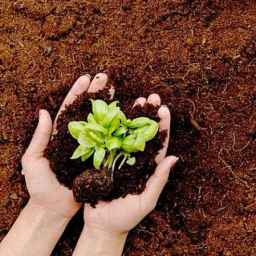
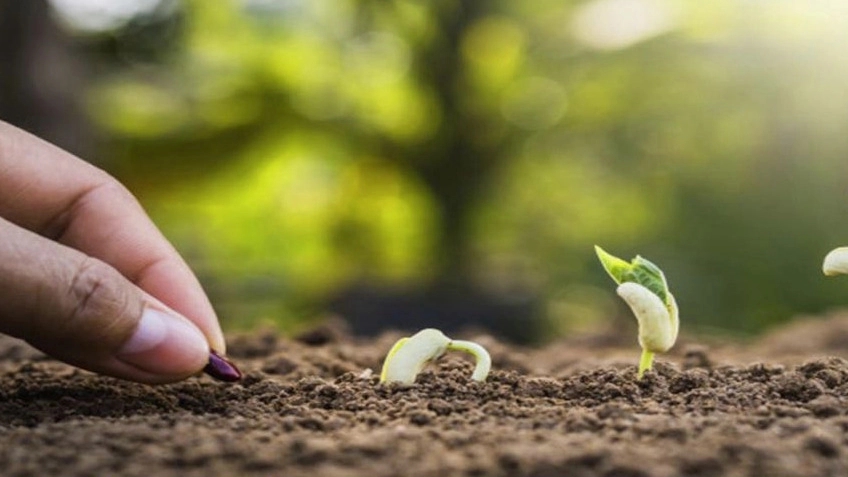
The seed of plants and trees is the reproductive part of a plant. Any part of a plant that is used to grow a crop is a seed. A seed is also a mature ovule consisting of one or more embryos with food storage surrounded by a protective covering. It is what we plant in the ground and a plant grows from it.
However, if we look a little deeper, it is much more than a seed. A seed can be food by itself. A seed can be medicine. Many cultures have incorporated the seeds into their healing rituals. A seed can be a jewel or a currency.
We plant this tiny creature in the ground and a new life springs from it and grows into a plant with hundreds of seeds each. A seed represents its abundance in nature. The seed is the hope for us to have food to eat or medicine to harvest. In our global society, it is often easy to forget the importance of seeds. We can buy almost any type of food we want at almost any time of the year. Seeds, which are often small in size and make little demand on their environment, are well suited to perform a variety of functions whose relationships are not always obvious.
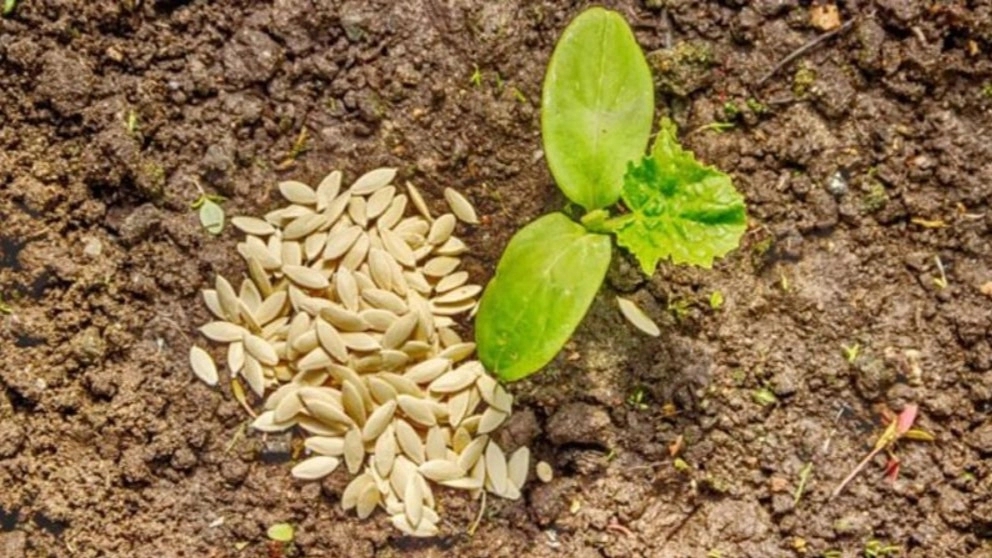
What are the criteria for seed quality plants and trees?
A) The seed must have the minimum genetic purity.
B) The seed must have good germination.
C) The seed must be free from infection caused by diseases and pests.
D) The seed must not contain impurities.
What is the importance of good quality plant and tree seeds?
(1) Improved varieties guarantee higher yield.
(2) It guarantees the genetic and physical purity of the products.
(3) It increases the desired plant in large numbers. (6) Seedlings grow stronger and faster and can be somewhat resistant to pests and diseases. (7) Ensures uniform growth and maturity. (8) The development of the root system will be more efficient, which will help in the effective absorption of nutrients and lead to higher yields.
(9) It will respond well to additional fertilizer and other inputs.
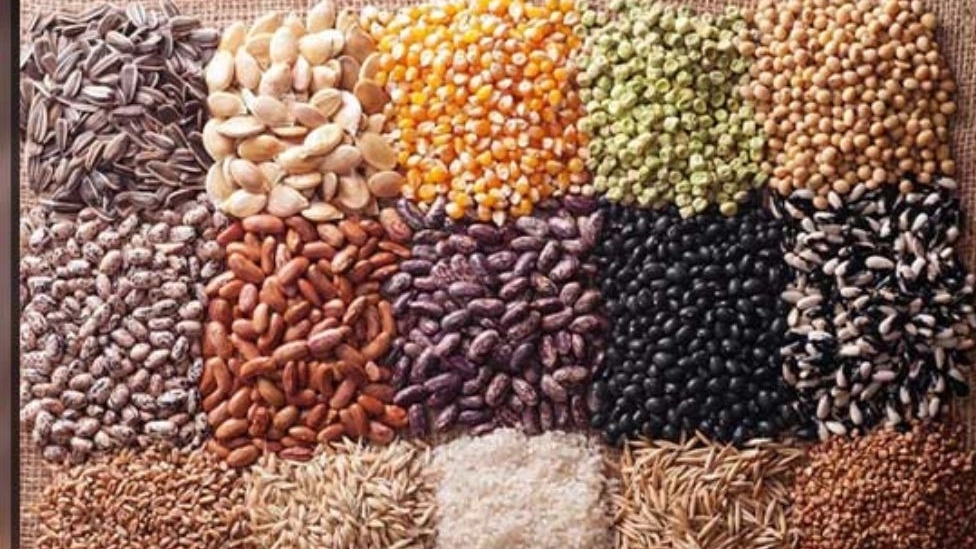
What are the most important advantages of seeds and trees?
1. Breeding: The seed yield should be 20-25% more than the existing variety or have desirable characteristics such as disease resistance, drought and salt resistance, etc. with good yield. 2. Genetic purity: The seed must have genetic characteristics that may have different genetic characteristics in different seeds. Genetic purity has a direct effect on performance. In case of seed contamination, there will be a relative decrease in yield. 3. Physical purity: The physical purity of a seed refers to the physical composition of the seed. Pure seed content is better than seed quality. Pure seed along with germination shows the value of planting the number of seeds.
4. Seed Germination and Vigor: Seed germination refers to the ability of a seed sown under normal planting conditions to produce a normal seedling. The percentage of germination and its greater strength gives the seed sufficient and uniform growth, which has a profound effect on the yield, determination and value of seed planting. 5. Avoiding weeds: There are certain types of weeds that are very harmful to the crop and once they grow, they are difficult to eradicate. The absolute freedom from the seeds of such species is very desirable and is one of the important criteria for determining the quality of the seeds.
Where is the Great Seed Bank of the World?
The world's largest seed bank lies deep within an iceberg on an island high above the Arctic between Norway and the North Pole, a very important resource for the future of humanity. It's not coal, oil or precious minerals, but plant seeds. Millions of tons, more than 930,000 varieties of food crops, are stored in the Global Seed Vault in Spitsbergen, part of Norway's Svalbard archipelago. It is essentially a giant trust fund that houses the world's largest collection of agricultural biodiversity. "Inside this building is 13,000 years of agricultural history," says Brian Lineoff, lead co-ordinator of the Crop Trust, which manages the vault. It would be hard to find a place further from the frozen wilderness of Svalbard. It's the furthest north you can fly on a commercial airline, and apart from the nearby town of Llangirbyn, this vast white area is frozen in emptiness.