


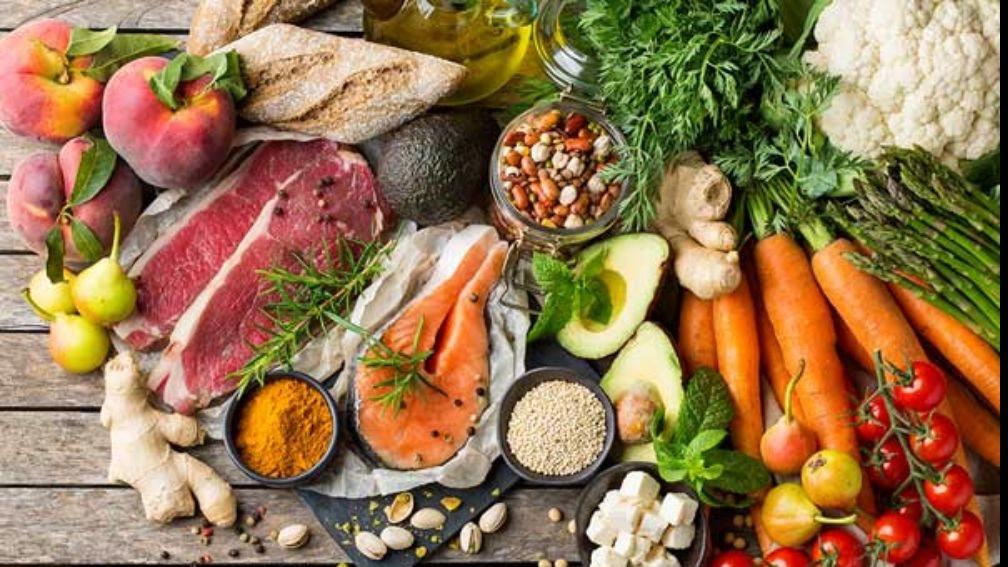
Supply of restaurant raw materials
One of the most important questions for someone who wants to open a restaurant is where and how to get the raw materials. Chain restaurants have prepared a food supply and distribution system for their restaurants, and this is the reason why their products are of the same quality in all branches. But for individual restaurants, the situation is different and they have to find their own suppliers. To have a high-quality product, you must have a suitable supplier who is sure to bring you high-quality materials. In addition to product quality, delivery time is also important. In this article, we deal with food supply for the restaurant.
How to source raw materials
There are four stages in the restaurant food supply chain: production, processing, distribution and retail. If you are in rural areas or small towns, you can directly buy ingredients from farms or retail stores, but with the growth and expansion of cities, as well as the wide variety of the food market, the need for suppliers to bring products to the restaurant is very high. There are many stages from food production to reaching the restaurant. During each stage, food is broken down into smaller, more useful portions. And many products are also packaged for long shelf life. There are many things to consider before finding suppliers. The foods you serve, the available storage space, and the volume of sales will help determine the merchandise you need.

Place items in categories
According to the type of restaurant, create general categories such as meat, dairy products, spices, vegetables, drinks, etc. and in each category whatever is needed Write.
Pay attention to the space and the amount of your sales
Pay attention to the amount of storage space available for different types of products. If it has more than your freezer space, it will stick out and spoil. Also, your sales will determine how much and when you should buy food. to provide You can find them with a simple internet search or call nearby restaurants. Some restaurants are secretive about their vendor list, so don't be afraid to go into spy mode.
Communicating with Sales Representatives
When you have several options, contact each potential seller. Be prepared with your supplies list and supplier questions. You want to know about the delivery schedule, order method and product quality. You should also ask them to give you a sample or a catalog from some of the restaurants that currently serve it. Supplying restaurant ingredients
It is rare that a supplier is completely perfect. You need time to consider the prices, product offers, schedules and delivery times of different sellers and choose the most suitable one. Initial meetings with vendors are like negotiations. The sales rep is trying to sell you as much as possible, and you are trying to pay as little as possible to get what you need. Let the sales reps know that you are evaluating multiple options and what your deciding factor is. You are proposing a long-term business relationship, so be clear about your needs.
Advantages of large suppliers:
Product consistency: Large suppliers work with large manufacturers who have the ability to grow production and upgrade.
Huge variety: Larger warehouses give them It allows them to offer a wider range of products in different sizes. If they don't currently stock your item, they're usually eager to find one for your restaurant.
Many Alternatives: In the rare event that a major supplier doesn't have the item you're looking for, options They offer you different ones to replace it.
Restaurants work with products that are highly perishable and need a complete program to supply these materials. Assess your needs and then negotiate with sales representatives from several companies to find the best option for your restaurant.