

Types of gearbox engines and their importance
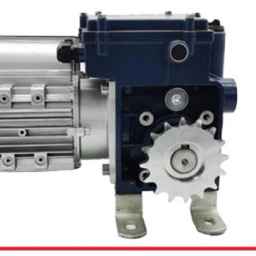
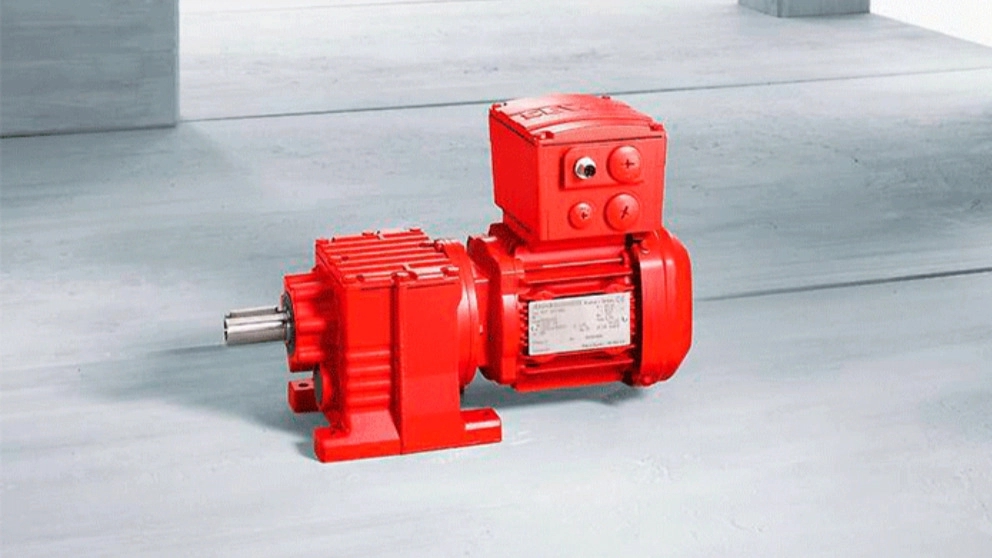
A gear motor is a part whose mechanism regulates the speed of the motor and drives them to a specific speed. A geared motor is able to provide high torque at low speeds, because the gearhead acts as a torque multiplier and can allow small motors to generate higher speeds. A geared motor can be used as a geared motor. He also defined, basically, it is a combination of a speed reducer and a motor, which usually acts as a gearbox and reduces the speed and increases the torque. Gearbox motors can be classified based on the motor they are installed with. For example, a motor with a helical gearbox). Each of these parts has advantages and disadvantages. For example, helical gearboxes have more torque capacity and produce less noise.
Gear motors can be classified based on different elements. Two common types of gearbox engines; There are direct shaft gearbox motors and linear gearbox motors.
Direct shaft gearbox motor from helical gearbox; Ball gearbox or hypoid gearbox.
Linear gearbox motor usually uses star gearbox, helical gearbox or blade gearbox.
Parallel shaft gearbox motor uses helical gearbox.
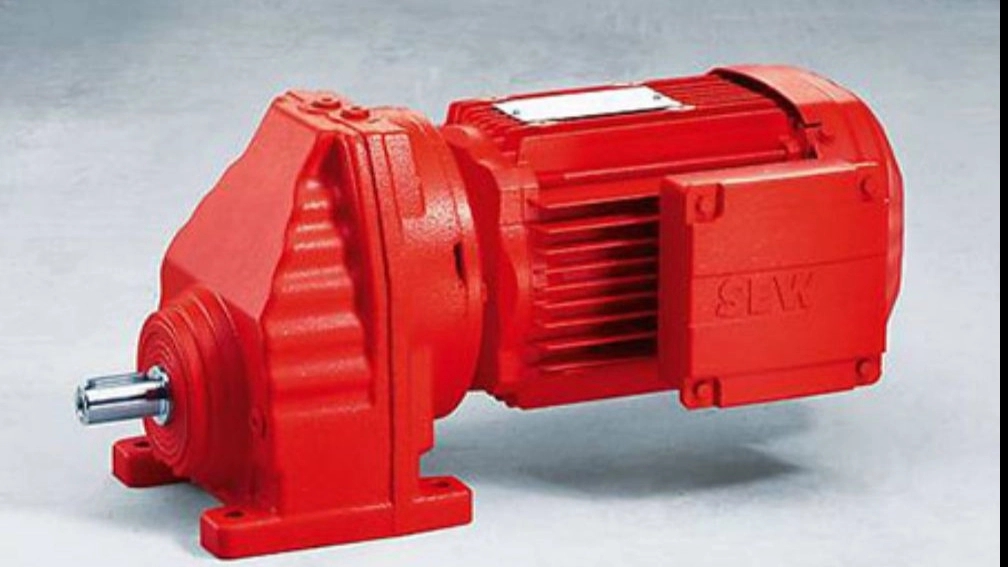
How to improve the performance of gearbox motors?
Analyze and then correct mechanical noise levels by testing them using frequency measurement equipment.
Optimal torque measurement; starting torque; The output torque, the nominal torque, ensures the proper transmission of the machine's movement.
Energy efficiency is an important factor to consider, because the condition of the gear increases the bearing characteristics of the performance of the whole system.
To measure resistance; Limitations and service life of speed reducer should be tested. Premium Gearbox offers expertise in testing technologies that ensure the delivery of a quality geared motor.