



Introduction to Types of Table Colors with Specifications and Types of Performance
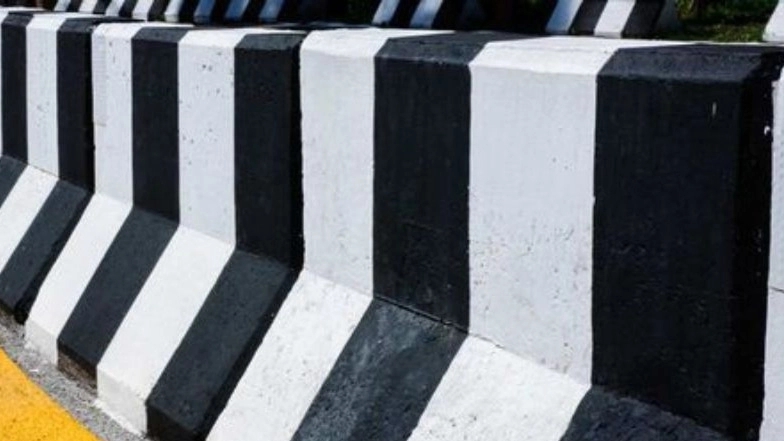
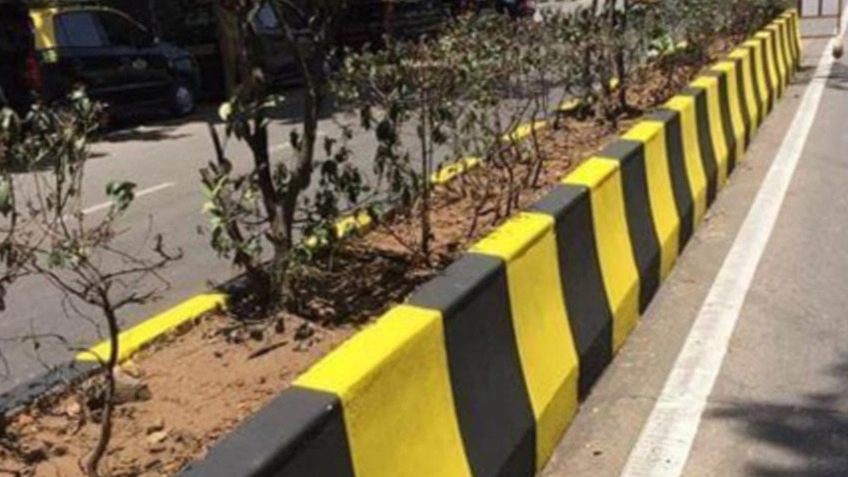
The color of a table is one of the most essential coverings for tables in the city. These colors have many advantages in addition to the color of traffic, the most important of which is to preserve the texture of the table and prevent its corrosion, as well as beautify the urban space. They have a relatively high appearance color or variety of pigments, so that you can get them in white, blue, green, black, yellow, orange and red colors. The rows of the tables may be covered in a single color, while A combination of two colors can be used to cover the tables. For example, you can use one of yellow and black colors to paint the tables, which will have a better appearance and beauty.
Table color specifications
Paint consumption per square meter: Alkyd table paint generally has a small amount of consumption. Their use is different in different colors. So that in the premium white color model, you can cover an area of one square meter per 200 grams of these colors. be Because it paints a larger area by using paint. You can easily cover up to 5.5 square meters for one kilogram of mass.
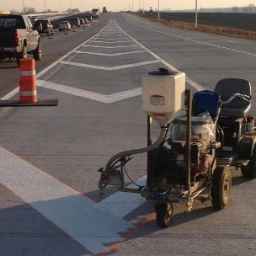
Paint drying time: Generally, the implementation of traffic paint as well as types of table paint according to the type of performance and The environment they are used in should be dried in the shortest possible time. For this reason, the colors reach the stage of surface dryness in the first hours, but they need a time of 10 to 12 hours for the paint film to dry completely.
Density: The density of these colors is usually around 1 It is 3.0 grams per cubic centimeter. As the density of the paint increases, the volume of the paint decreases and the mass of the paint increases, which results in an increase in the weight of the paint. Fortunately, table colors are considered light colors and this makes them easy to use
Painting the streets of the streets
Painting roads and traffic is a way to show traffic conditions and conditions on roads and different places. This method is used to help drivers and passers-by quickly understand the traffic situation and make appropriate decisions. In this method, colors are used to show the amount of traffic flow, speed, condition of roads and other related factors. Usually, three main colors are used in road and traffic coloring: Green: represents favorable conditions and good traffic. Under these conditions, the traffic flow is normal and smooth, and drivers can move easily.
Yellow or Orange: Indicates moderate conditions or traffic warnings. In this situation, the traffic flow may be a little slow or the conditions are relatively complicated, which helps the drivers convey this through coloring.
Red: Represents poor conditions and bad traffic. In these conditions, the flow of traffic is blocked or very slow and drivers must exercise special caution in their driving.
In addition, other colors and signs may be used to display additional information such as the location of lanes, restrictions, To be used for movement and... This method helps drivers to make the best decisions and reach their destination without problems.