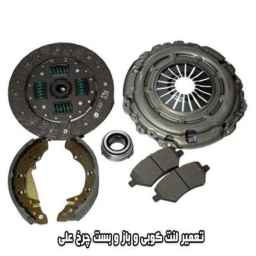

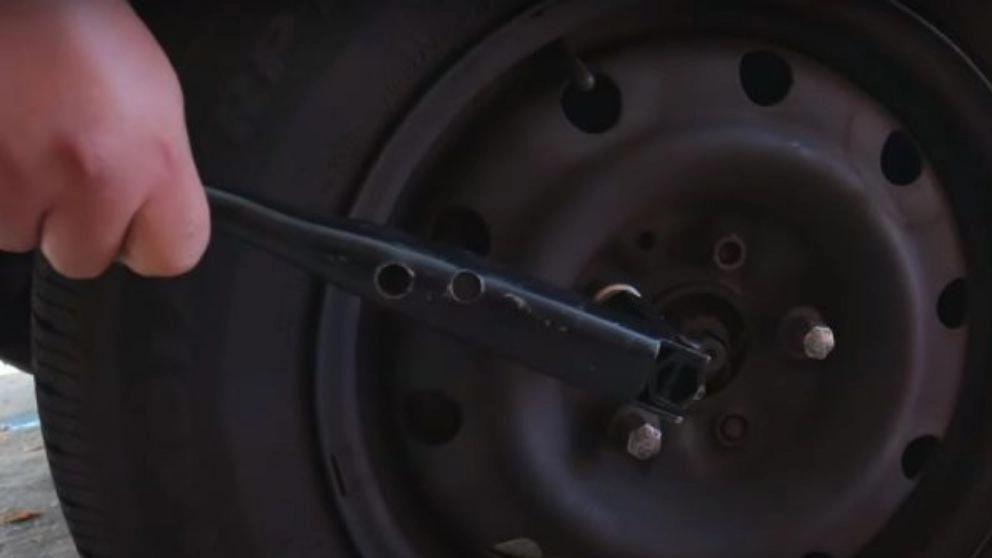
Brake pads are one of the important parts of the braking system, which is considered as the super safety part of braking.
All brake pad replacement operations must be done with utmost care. The brake pad must be replaced by a person who is fully familiar with its technical affairs, because if the wrong person tries to install the brake pad, it may damage the entire braking system.
Fit Standard brake pads
The brake pad must be placed in the brake caliper or brake cup of the car. Also, use a brake pad that is specific to the same car and not related to another car.
Warning:
Note that the friction material of the pad, disc, caliper and brake hose does not come into contact with the following materials:
A: Grease and oil or any slippery or oily substance
B: Any type of chemical substance
A: Any type of minerals
Because all these substances reduce the performance of the braking system, and if any part of them is contaminated with these substances, replace it immediately.
Do not use any kind of sharp tool to change the pad because it may be damaged by unnecessary use of this tool.
Try to use special tools for changing pads, such as a torque wrench, a flat wrench, and special rakes for this job.
If you see any kind of damage on the brake system during the work, it must be fixed before the car is taken out of service. All worn and damaged brake pads should be replaced according to the specific instructions for the same car published by the brake manufacturers.
Brake pad replacement:
Before starting the work, you must install a notice on the steering wheel of the car with the title "car is under repair".
Fix the wheels (with a piece of wood, etc.) so that they do not move during the repair.
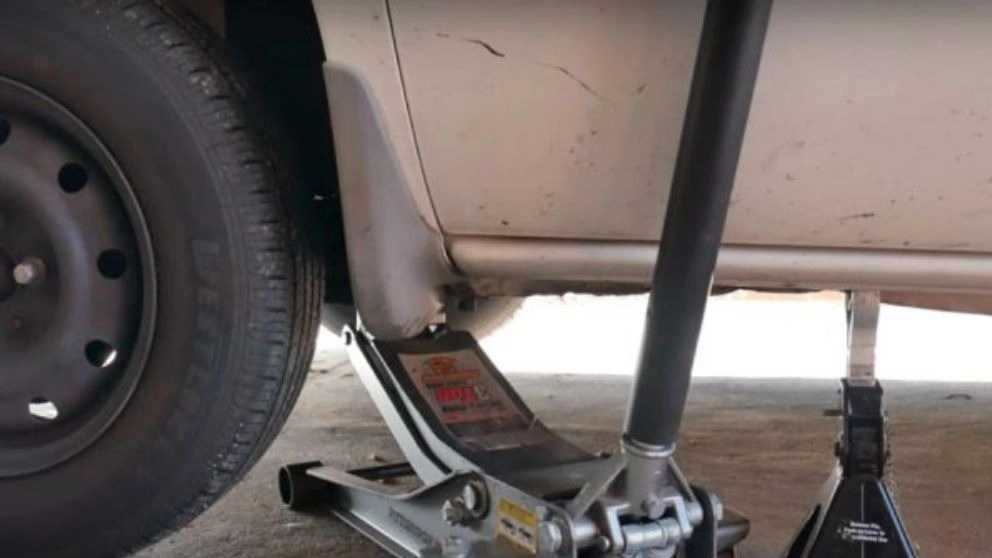
Jack the car and make sure it is firmly on the axle.
Start working on only one brake axle and avoid opening the next wheel because the second wheel should be the correct example for you. All work steps must be exactly the same for both pads of the same axle.
Hydraulic system
Note: When the pistons need to be retracted it is easier to open the cylinder drain plug and let the oil drain out of the tube.
Warning:
Be careful not to waste the brake oil in the tank, and if necessary, pour some of it into another tank. If this work is not done correctly, this oil may cause a lot of damage. In this regard, you can refer to the instructions of the car brake system manufacturers.
Carefully check the brake hydraulic cylinder for leaks and after finishing the work and placing the dust collectors, there should be no signs of oiling on the tires of the dust collectors.
To replace the pad, it is necessary to push the pusher piston back and remove the pad, and hold it with a clip so that the oil pressure behind the piston does not cause it to come out.
After applying the pad, release the piston holder clip so that it can be activated and the pressure plate behind the pad can be moved by hand.
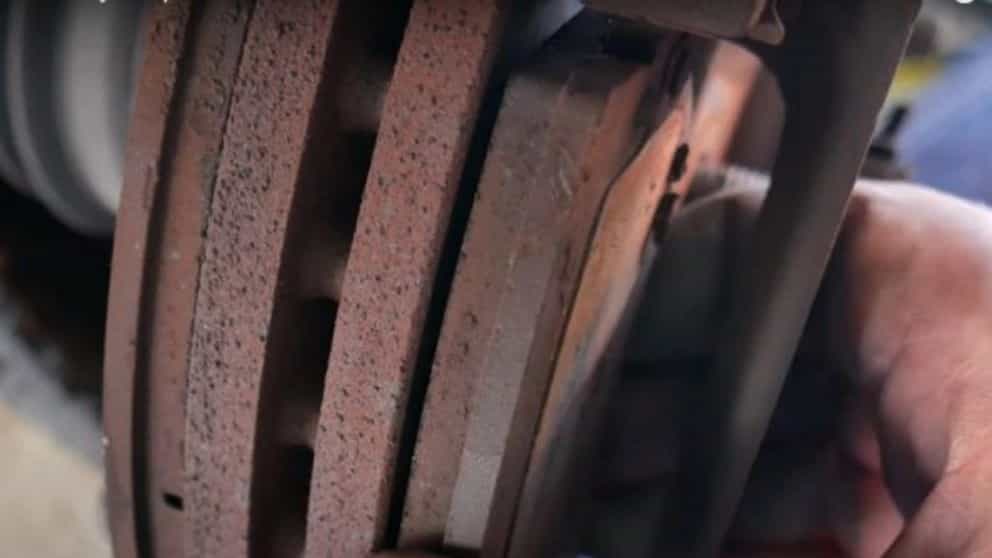
Remove the inward and outward pads and use a spring clip to prevent hydraulic pistons from escaping from the body.
Wipe the pad axles, body and guides with a non-metallic tool and oil intended for pads, such as methyl ink.
Check the brake oil to be free of water and dirt and make sure that it is fresh and conforms to the methods specified by the manufacturers of the brake system; Otherwise, replace it.
In the wind brake system
According to the recommendations of the brake system manufacturers, deflate the air and remove the holding springs and locking pins and disconnect all sensor systems.
Pull out the outer pad by pushing and detaching the sensors.
Assembly:
New brake pads should move freely in place.
If you have used thermal insulation, replace it.
If necessary, grease the surfaces in contact with the backing plate, the pad itself, the pad body as well as the iron behind the piston with a small amount of grease according to the brake system manufacturers instructions.
If there is a wear indicator, if necessary, replace it with a healthy or new wear sensor in the new brake pad.
Install the new brake pads in the direction opposite to the friction surface as described in the removal section, while its direction is towards the brake disc.
Install the pins, springs and clamps in the same way as we said before in the implementation.
Replace the caliper screws with new ones.