


What is the concept of transit of commodity?
is a Latin term. In English and French, it is equivalent to the word displacement, pass or transfer. In the Oxford dictionary, the word transit is defined as the transfer of people or things from one place to another. In Persian, the word transit is a legal term related to customs procedures.
The term and concept of transit is very widely used and is quite familiar to all of us. This is despite the fact that sometimes some activists in the field of transportation or people who deal with export and import affairs do not use the concept of transit in the correct sense.
Even if you are not familiar with the transportation of goods or customs affairs, you have probably heard words like goods transit, transit driver, transit car and similar things many times, either from different people or in the media.
Many people consider transit to be equivalent to exporting or importing goods. The term internal transit is sometimes wrongly defined as the transportation of goods between internal cities by freight companies and the internal transportation system!
While such an idea of the concept of goods transit is generally wrong. Or it is completely different from what is defined in the country's customs laws.
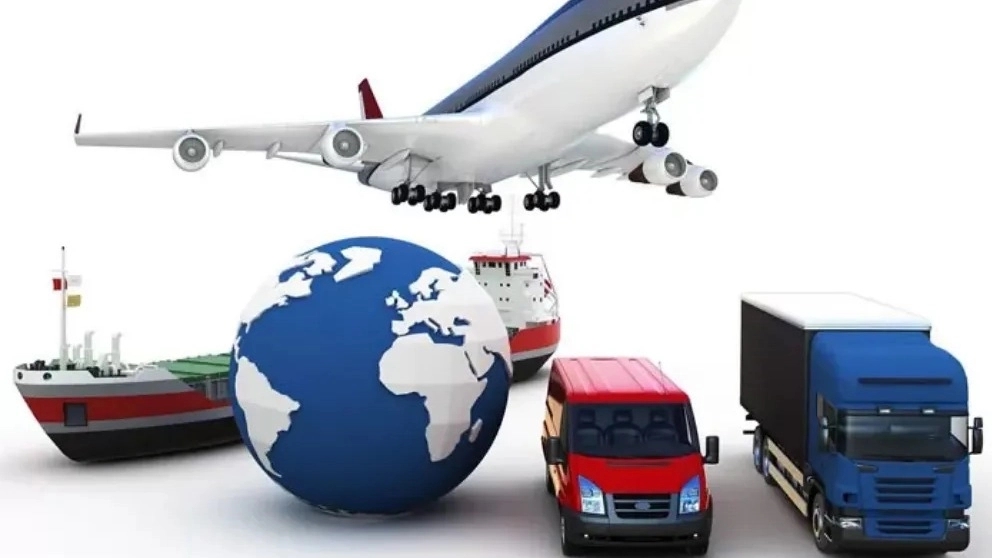
The difference between transit of goods and exports and imports
In the customs custom of the country, sometimes the exporter exports domestically produced goods to another country. Therefore, in terms of exports, the origin of goods is Iran and the destination is another foreign country. In fact, the receiver of the goods is the customer of Iranian goods. Perhaps the most famous possible example is the export of oil from the country.
But in the opposite case, the importer may import a product from a foreign country into Iran for the consumption of people inside the country.
Therefore, there are export and import customs laws. Export and import of goods can be permanent or temporary. This means that a product may be issued temporarily and only for sample demonstration to the customer. or participating in the international exhibition and then returning to the country.
Export and import of goods are familiar terms and are briefly explained. But there is another customs procedure in the laws of the world, which is transit.
انواع ترانزیت کالا بر اساس مرز گمرکی
In this method, goods are transited internally and externally.
Internal transit
Another name is Paswan internal transit. If a product enters the country, but for various reasons it is not possible to clear the product and enter the domestic market, the internal transit method is used.
According to Article 60 of the country's customs law, at the discretion of the customs or at the request of the importer, the cargo can be transferred to another customs in the country so that the customs formalities and goods clearance can be done in that area. . In this case, the transfer of goods from internal customs to each other is called internal transit or paswan.
In internal transit, administrative processes and payment of customs duties are done at the destination, and then the process of importing the goods takes place. For example, the cargo owner may import his goods at the Bandar Abbas Customs, but the traffic and volume of cargo at the Bandar Abbas Customs is high. For this reason, the importer does not have the possibility to clear the goods at the appointed time.
Therefore, according to the mentioned article, he can transfer the goods to another customs such as Sarkhs customs. To complete the customs clearance procedures.
In general, when non-customs goods are transported from the customs of one country to another customs of the same country, it is called internal transit.
Regarding the cost of internal transit, it should be mentioned that internal transit may be at the request of the cargo owner. In this case, possible damages and insurance premiums will be borne by the applicant according to existing laws.
Otherwise, if the internal transit process is carried out according to the request of the customs, the payment of all costs and in case of loss, all damages will be the responsibility of the said organization.
Documents required for internal transit of goods
A series of documents are required to perform any activity. The necessary documents for internal transit of goods in our country are as follows.
bill of lading
Goods sales invoice
Baling list
goods release from Customs
Exploitation license of the company producing goods
Customs warehouse bill
Certificate of Origin
Order Registration Certificate
International transit
Sending goods from one country to another is called foreign transit or international transit. In fact, foreign transit refers to the process of entering and passing goods through one border customs and leaving another border customs. In international transit of goods that leave the country. According to the conditions of import, they are exempted from paying customs duties, rights and commercial profits.
Of course, customs fees must be paid. Unless the costs are stated differently in the transit contracts concluded with other countries.
Documents required for external transit
Documents related to foreign transit of goods are slightly different from domestic transit. The documents for this type of goods transit are as follows.
Goods purchase invoice
bill of lading
Baling list
Introduction letter
Warranty or legal obligation
Power of attorney
Business card image
Transit permit for goods in transit
Bank license
CHR
انواع ترانزیت کالا بر اساس شیوه حمل بار
Transit can be done from all routes between countries. And of course, in general, we divide transit into two general patterns: internal transit and external transit or international transit.
What is an internal transit or Pasavan?
Internal transit refers to the transfer of non-customs goods from the customs of one country to another country. For example, a cargo may be transferred from Bushehr customs to another customs in the country without performing customs operations. And there the customs and clearance work should be done. This internal transfer is called internal transit.
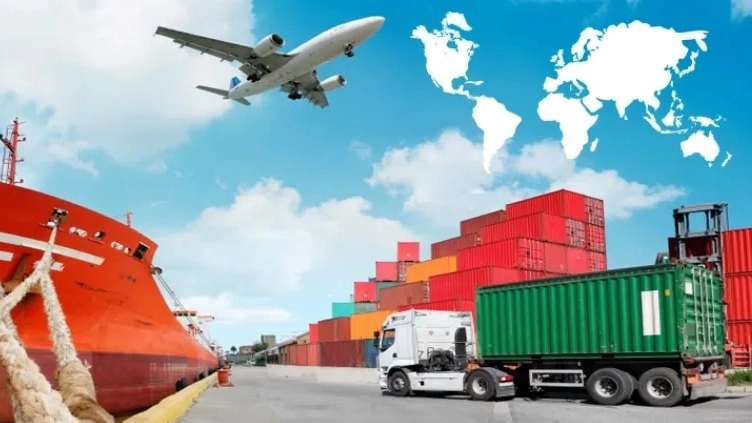
Cost of domestic transit
Some confuse domestic transit with freight and transportation of goods between different parts of the country. According to the law, if the request for internal transit is at the request of the owner of the cargo, he is responsible for the insurance premium and possible damage to the cargo during the transit of the goods.
However, if the internal transit is carried out at the discretion of the customs, the responsibility of protecting the cargo and paying the costs is the responsibility of the country's customs.
What is International Transit?
International transit, as its name suggests, refers to the movement of various goods and cargoes between two countries. For example, sending goods from Iran to Canada, from Iran to Turkey, etc. should be considered foreign transit.
In this way, the cargoes leave the customs of Iran and enter the customs of the destination country through different routes. (It is also possible that goods from other countries such as Turkey, Canada, Dubai, etc. may enter Iran through these methods.) Another method of transporting goods is transshipment.