

The difference between turquoise and enamel
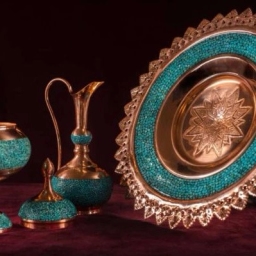
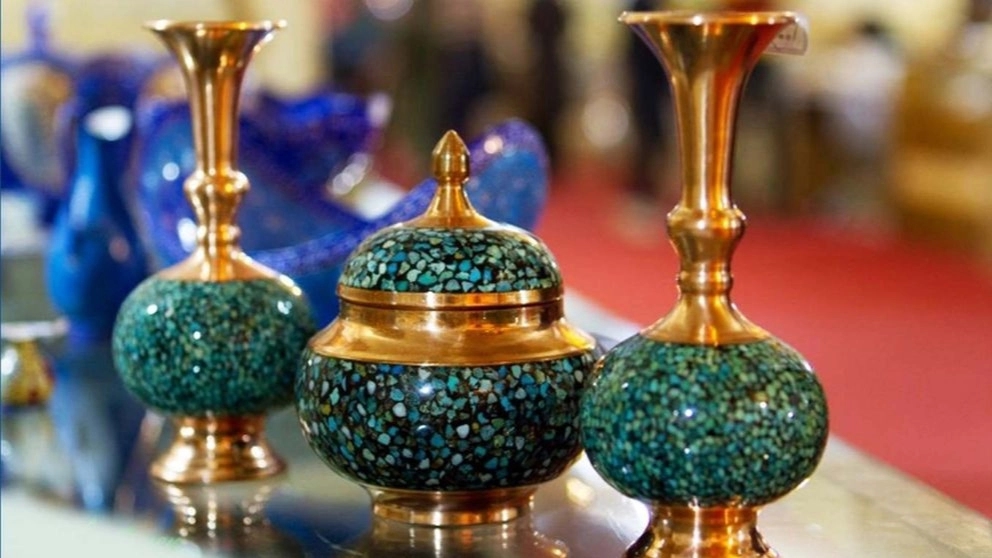
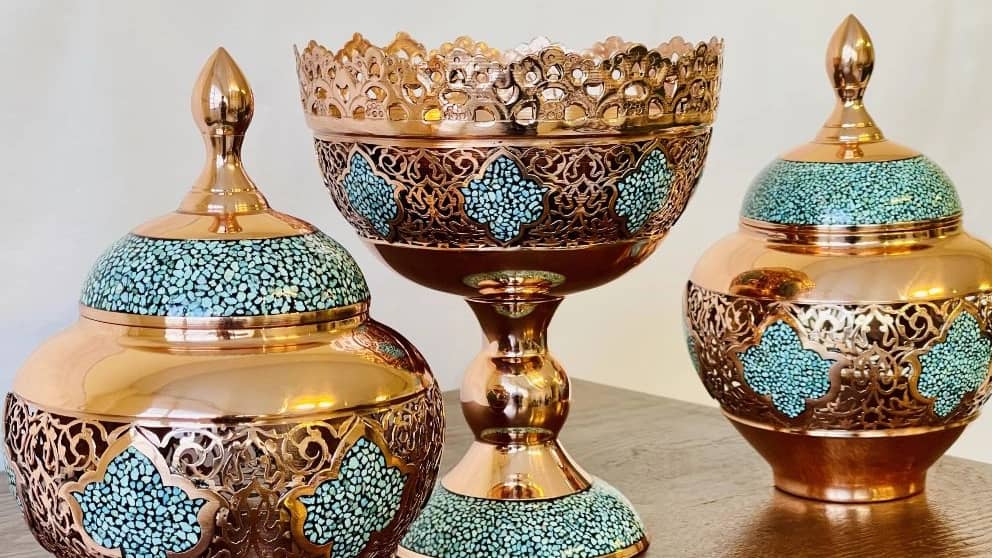
The art of handicrafts has been of interest to people in every period of history for years. There are many artists who are indebted to this art. All those who have passed it down from generation to generation and are pioneers in the preservation and permanence of this art. The works discovered from the heart of history show that the human interest in art is not related to the present time, but has been closely linked with it for a long time. He has always been interested in arts and crafts. There are different types of handicrafts, all of which are very beautiful and eye-catching. For this reason, today it has attracted the attention of many artisans and artists. To the extent that today the manufactured products are exported to many countries of the world. Products that can express the culture and art of a nation. Turquoise painting and enameling of Isfahan are among the industries that have received a lot of attention today, and people enjoy it for various reasons, including aesthetic issues, gifts, and things like that. Perhaps the only similarity between the art of enameling and turquoise painting is the use of the element copper in their construction, however, there are major differences between these two works of art, which will be useful to know.
The process of producing turquoise containers
The first step in the production process is the making of copper vessels by skilled and experienced goldsmiths and coppersmiths.
Usually after the vessels are made in the desired shapes, the parts that are to be turquoise are hammered using a thin string. They are paid in metal. This work is usually performed by the coppersmith himself or sometimes by the artisan of turquoise knocking.
In the next step, using small pieces of turquoise stones, its waste is separated and then sorted according to size.
Before placing the turquoise on On the container, it is necessary to heat the piece to about 30 degrees Celsius and varnish powder is applied on the parts where turquoise is to be hammered.
To reduce the distances between the turquoise stones by increasing the temperature and sprinkling some varnish powder, the smaller stones They put turquoise among others.
Artists do this by hand. After making sure that the work surface has cooled down well, they use a sanding stone to remove the protrusions caused by the stones and make the work surface smooth and uniform. After that, the varnish powder appears black and the color Turquoise is displayed in its original color, i.e. blue. This process is repeated until the artist makes sure that all the turquoise stones are in place.
Stages
In this art, similar to turquoise, copper vessels are designed and produced by coppersmiths in various shapes and sizes.
After that, the vessels are placed in furnaces with a maximum temperature of 750 degrees Celsius to go through the glazing process. Glazing steps make the white color of the glaze uniformly fixed on the copper dishes. After this, the dishes are ready to be painted by the artist. After the special enamel colors are prepared on the dishes, in order to fix They are sent to the furnace again for baking. With the help of this work, copper dishes will be washable.