
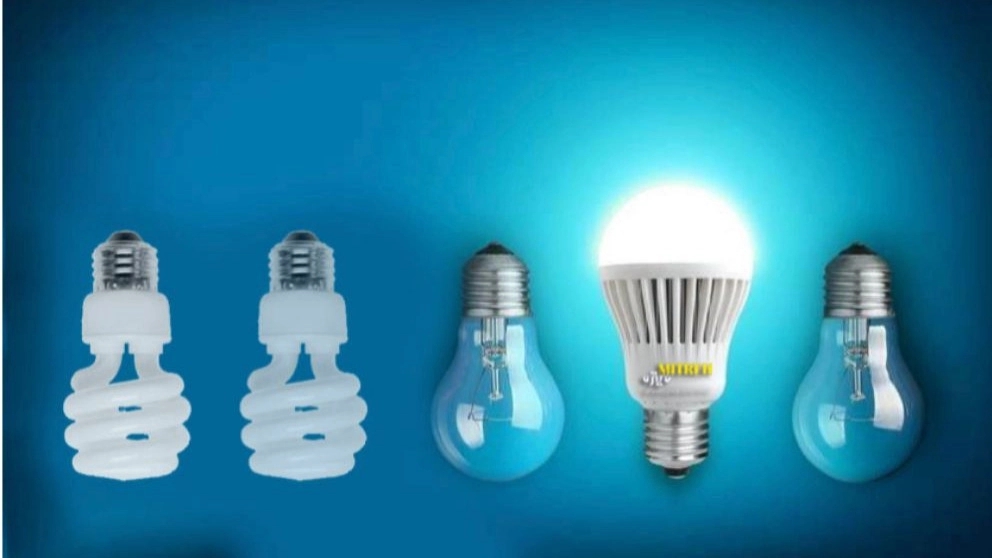
One of the advantages of the energy-saving lamp is that it produces exactly the same amount of light as an incandescent lamp with much less energy consumption, for example, replace a hundred-watt incandescent lamp with a twenty-two-watt energy-saving lamp and the same amount Receive light in the environment. Energy-saving lamps consume fifty to eighty percent less electricity than incandescent lamps. While you pay more for buying energy-efficient lamps, in the long run, they compensate for this cost with long life and low electricity consumption. These lamps are highly efficient. They help reduce carbon dioxide emissions. These products are offered in various wattages and common head sizes. Different types of compact fluorescent lamps or CFLs can be dimmed unlike standard or moonlight lamps and can be compatible with other light controllers.
Longevity
Lifespan is considered the first and most important criterion in LED lamps. LED lamps have a lifespan of 50,000 to 60,000 hours. This lifespan is much longer compared to other lamps.
LED LED LIME (LUM/WATT) LED
Another advantage of the lamp is its high light efficiency. Today, LED products have an efficiency between 74 and 120 lumens per watt, and this value is 10 to 15 lumens per watt for incandescent lamps and 45 to 65 for low consumption lamps, 35 to 60 for mercury vapor lamps, and 60 to 110 for sodium vapor lamps. And for metal halide lamps, they are 75 to 85 lumens per watt. is.
The number of turned off
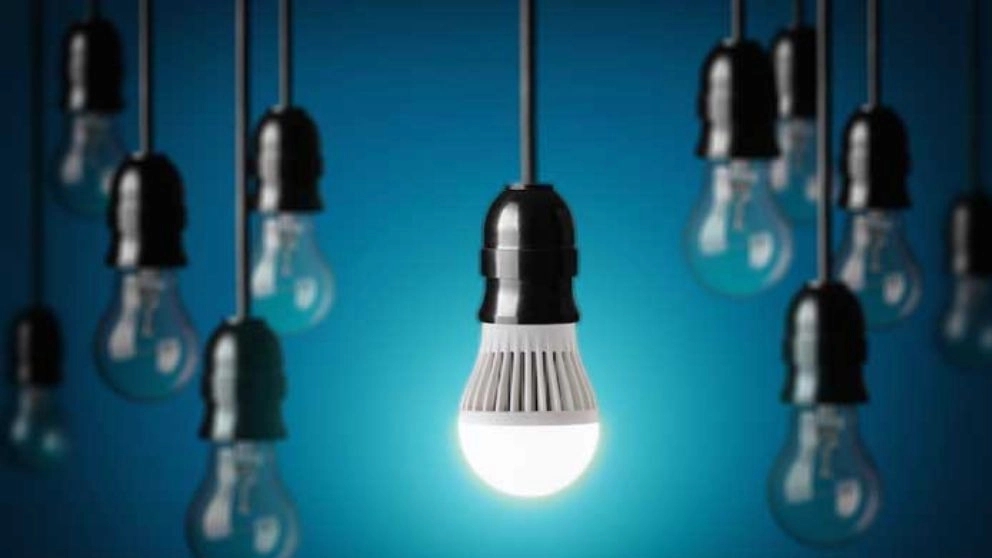
The lifespan of LED lamps is not a function of the number of switching on and off, LED lamps can be turned on and off millions of times. In fact, the lifespan of LED lamps depends only on the duration of being on.
Adjust the intensity of light
The possibility of adjusting the light in LED lamps using PWM = Pulse Width Modulation technology, which controls the voltage level by changing the pulse width and is available in most microcontrollers, is easily possible and has good performance in all types of LEDs. .
Adjusting the angle of radiation
In LED lamps, the light does not spread in all directions, and due to the availability of lenses with arbitrary light angles, it is completely controllable.
Lack of light reduction
All other lamps suffer a sharp drop in light intensity over time. LEDs can be fed with both AC current (of course, after conversion to DC) and DC current with low consumption, so solar energy sources or batteries can also be used to provide their power.
Absence of ultraviolet and infrared beams
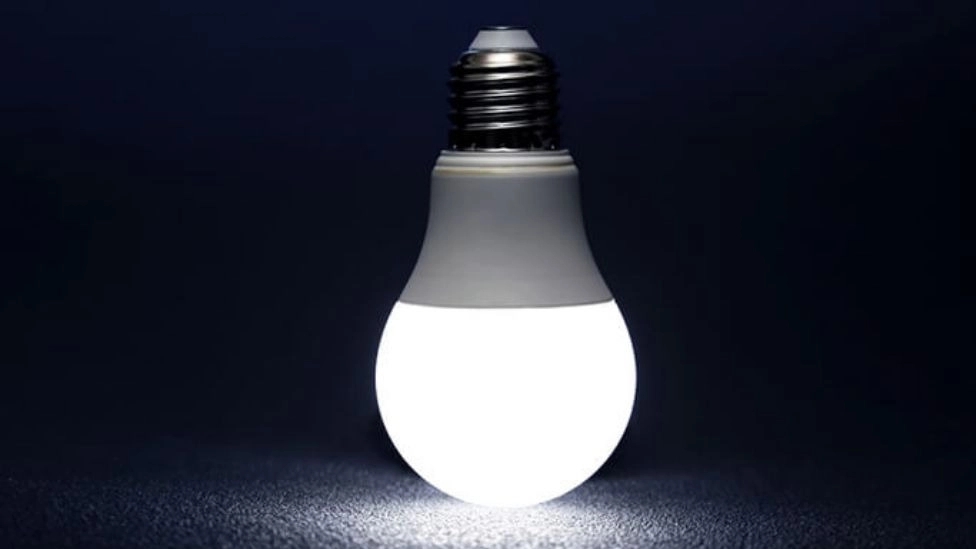
The light produced by lighting sources has always been accompanied by ultraviolet and infrared rays that are not in our field of vision and are not useful for providing lighting, but the matter does not end here, ultraviolet rays are not useful for providing lighting. Rather, they are harmful to humans.
To use with very low voltages
The voltage used by the LED lamp can be very small and it is interesting that the LED lamp will give a good light even with a small amount of its nominal voltage and it is possible to power these products with the weakest and smallest batteries. Paying attention to this point, many lighting systems of industries and buildings and even roads can be powered by batteries and direct batteries without the need to connect to the national grid, which reduces the problem of peak and valley load of the network to some extent and the cost of building electricity transmission facilities in places. Reduced reach and high altitudes.