
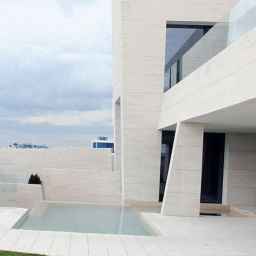

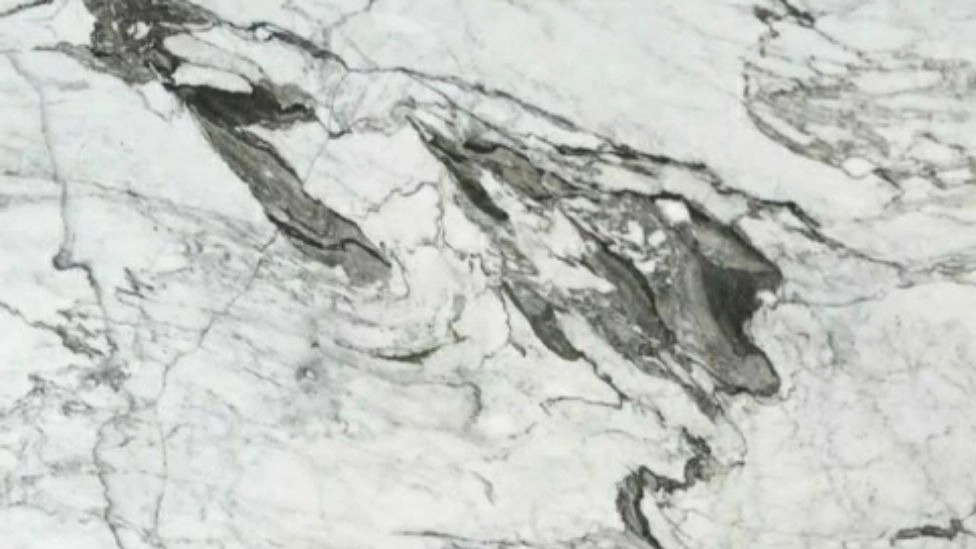
Until now, many natural stones have been discovered and extracted by different people and in different periods of time, who have processed and used them according to their needs. In the definition of building stone, one should pay attention to some points; That is, in addition to the various colors and the beautiful appearance of the stone, it must be resistant to heat, weather changes, wear caused by a lot of traffic, and also have an acceptable polishability so that it can be called and used as a building stone.
Application of building stone

Today we are witnessing the increasing progress of technology in various industries and sciences; The construction industry is not exempt from this rule and is always being updated. Old houses and facades give way to modern buildings and new facades.
In the construction industry, there are various natural and artificial materials that are used in different places, especially in the facade of the building, and they try to compete with building stone, but various reasons have made it possible to always consider building stone as one of the most widely used materials. He mentioned the materials used in construction and this natural product to maintain its position among other competitors in this industry;
These reasons can be called the advantages of using building stone, reasons such as:
Air
✔️ Reasonable price and affordability compared to other materials
According to the things mentioned, building stone can be used in various places, such as the interior of the building, the exterior of the building, use as a decorative stone, making stone sculptures, making stone vases, making water fountains, etc.
p>Building stone features

Natural stones must have characteristics so that they can be used in the long term as building stones, the most obvious of which are the following:
1) Building stone must be resistant to different weather conditions and temperature changes, using the right stone and installing it in the right place is very important, some stones due to the particles and ingredients, sub and coating With high quality, they are even resistant to the penetration of chemicals and acids.
2) The stone must be compatible with the place where it is installed, for example, the stone used in the bathroom, toilet, the exterior of the building in rainy and cold areas and places like that should not have high water absorption.
3) Usually, the stones used in the facade of the building have a standard thickness and should not be heavy, because this causes the stone to not have a good connection with the grout and mortar behind the stone, and after a while, the facade of the building starts to fall.
4) The suitable stone in construction should have high-quality and acceptable sub-receptibility and also be covered with epoxy and special resins, which is a type of insulation against sound, heat, color change, as well as the penetration of water and chemicals for It is a stone.
5) Building stone must be strong and resistant to possible pressures and impacts over time, as well as wear and corrosion.
The use of building stone in the interior

Natural stone can also be used in the interior of the building, in areas such as the paving of the interior spaces of the building, toilets, bathrooms, pavements and stairs, stone containers, paving of the building parking lot, stone on cabinets, open and counters, cisterns. , staircase walls, office and commercial floors, elevator frames...
The use of building stone on the exterior

The use of natural stones in the exterior of buildings, in addition to the beauty and splendor that it gives to the building, is also considered a kind of insulation for the building, in places such as the front of the building, the exterior of the back of the building, the paving of the yard, the cover of the walls of the area, the shelter of the roof. , pavement paving, volume carvings and making stone sculptures in parks and public roads, decorative elements and sculptures in the facade of the building (often in Roman facades) and...