

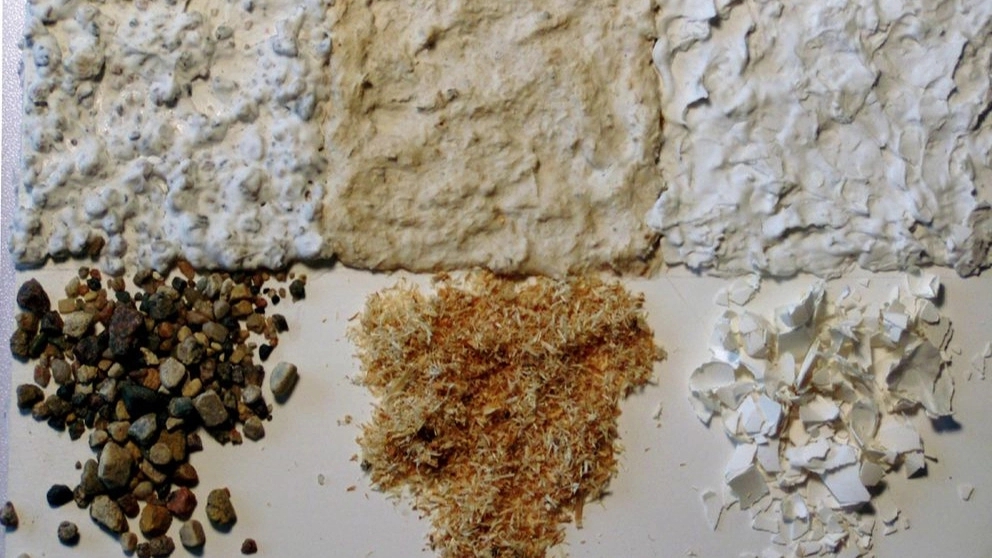
Textured paste is a type of ready-made paste that has excellent volume in various colors, which can be used for different designs in painting, building, and in different parts of this type. Texture paste has high adhesion and is very flexible. This type of paste is very resistant to chemicals, fungi, algae and mosses and has a long shelf life.
Types of textures
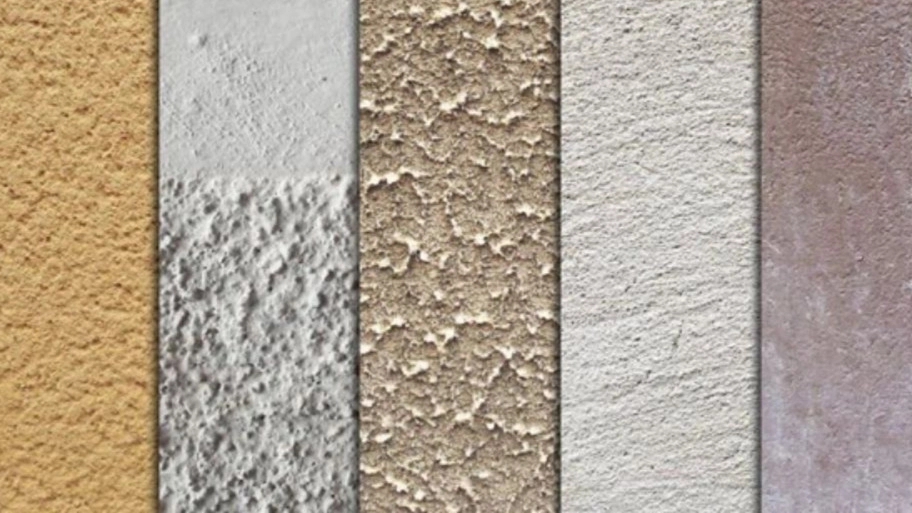
As we mentioned, there are different types of texture paste, which are: • Crackle texture (crack) • Basket texture • Sandstone texture • Straw texture These textures are waterproof and have a high level of quality and adhesion. . You can also use sandstone texture and straw texture for paintings and decoration of your home.
Texture dough applications
Textured paste is mostly used in decorative, decorative and artistic works. You can also use tools such as brushes and spatulas to use this type of dough; And create a variety of beautiful and different designs. Textures usually have two types of texture, soft texture and rough texture. Soft texture has soft textures and rough texture is used for thick textures. If you want to use this paste in the decoration of your home or in paintings, pay attention to choose the highest quality ones. Texture dough is known as one of the most popular products in the whole country, which is produced and sold in different quality and colors.
Texture Dough Features:
Textured dough has different types, each of which has unique characteristics. Texture paste is an excellent textured coating that you can use to create different designs and shapes with flexibility. Textured dough with all its features is easy to use and is available in different forms in the market in pots, vats, and quart containers.
Frequently asked questions
1- What is the application feature of texture paste?
• Texture paste is an excellent textured covering that you can use to create different designs and shapes. Create flexibility. 2- What are the types of texture dough? As we mentioned, there are different types of texture dough, including crackle, basket, sandstone, and straw texture dough. .
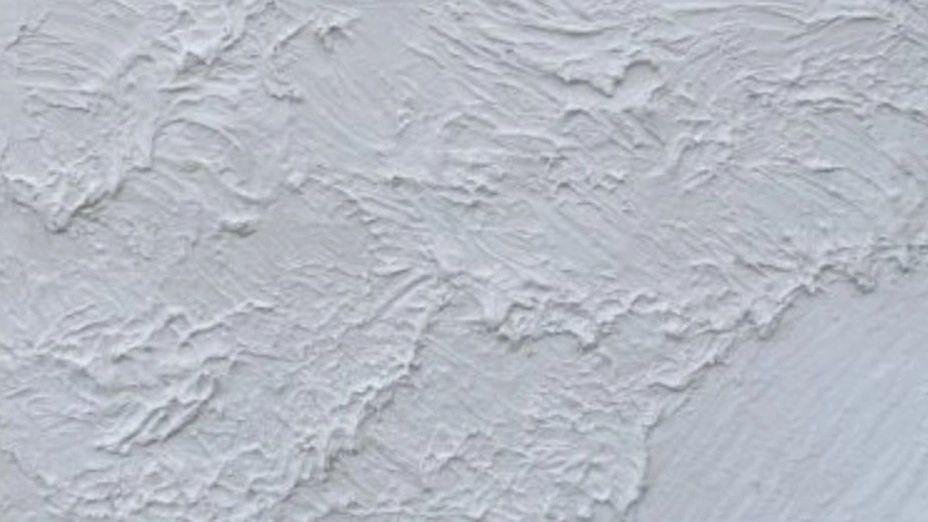
Paste microcement is an excellent and ideal texture for interior surfaces and objects and is used for decorative walls where resistance is less important and more aesthetic. Paste textures give a special and beautiful effect to your space.
What is a Dough Microme?
One of the types of textured pastes used in interior design is microcement paste, which is sold ready-to-use. Paste microcement, which is also known as concrete design, is used to create a variety of coatings on any surface, including desktops, wall coverings, objects, backsplashes, etc. This coating creates different textures that can be coordinated with any taste style. Microcement paste is produced from the combination of cement, resin, pigment and aggregate and cannot be applied on any surface. The surface it creates is not slippery and is not a strong insulator of moisture, heat and sound. It also has good flexibility, so it can be used for non-flat surfaces.
The features of the microscopic paste
Paste microcement is available in the market in buckets of different sizes ready for use, which does not require any solvent. This coating is applied manually with a maximum thickness of 3 mm on any surface you want and creates a stylish and special appearance. The concentration of the concrete design paste allows the executors to implement well any design and color you want and create a uniform result without demarcation. Microcement paste has good adhesion, which makes it Cover brick, cement, tile, ceramic, stone, etc. This paste creates an easy and affordable renovation without the need for destruction, the result of which will surprise you. Also, due to its roughness, it does not crack during work, and you can receive the final result in textured, matte polished, etc.
Also, the concrete design dries quickly and after a long time Short space can be used. Because microcement paste has less resistance, it is not a good option for renovating houses, bathrooms, hotels, stores, etc. This makes this paste suitable for any place, especially crowded places. And the arrival is not suitable.
Uses of microscopic powder:
In general, you can use microcement powder in any case. Due to its high strength and adhesion, variety in design and color, as well as high flexibility, use concrete design in the following places: • Toilet and bathroom
• Swimming pool< br> • Kitchens
• Space between cabinets
• Covering the work table
• Simple and patterned wall covering
• Flooring of any space you want
• Building facade
• Corridors and paths stairs
• and…
What is the appropriate microstructure infrastructure material?
Contrary to the opinion of many people who think that the surface of microcement is the same as cement work, it should be said that this coating is like a decorative coating. Powdered microcement can be applied on any substrate that can be worked with a trowel. For a better understanding of this technique, it should be said that in fact, powdered microcement that has been made into a paste is like a tile or ceramic glaze. The title of the final cover was executed.
• Suitable materials for substructure in the interior wall and service wall:
soft plaster, softened cement, tile or ceramic, kenaf, raw or coated MDF, cement board, Fiber cement board, aqua panel or other smooth materials. We suggest not to use microcement paste on wood. Due to the expansion and contraction caused by temperature and humidity, wooden surfaces cause cracking of the microcement surface. Tiles, stone, butterfly trowel concrete, or any material with a smooth surface
• Suitable materials for foundation on the exterior:
cement board, fiber cement board, softened cement, aqua panel , stone and ceramics (for renovation projects)
Frequently Concrete Design Questions:
Is it possible to use this coating to cover surfaces such as tiles or ceramics?
Yes; This coating is applied to the surfaces with a thickness of 2 to 3 mm. This thickness can easily cover the problems under the work, strapping, demarcation and damages of the lower surface. For this reason, there is no need to destroy them.
Can color be added to the concrete design?
Microcement powders are usually available in the market in colorless or colored form; But if necessary, you can add water-based colors, acrylics, etc.
Is the concentration of microcement paste suitable for patterned wall covering?
Concrete design pastes are often used in They are produced in a concentration that does not leak when working with the stencil. If after adding color to the paste, the texture of the paste becomes looser, it is better to add microcement powder.
Can I apply microcement paste myself?
Microcement paste is a ready-to-use material and can be easily applied to the surface. But in order to benefit from all the facilities and features of this material, it is better to leave its implementation to experts and skilled people. Zarin Microcement Company is ready to provide services in the field of material sales, implementation and training of microcement implementation throughout the country. For more information, you can contact our colleagues.