

Vegetables are important for their health benefits. Most vegetables are low in calories, high in fiber, minerals and vitamins. Some vegetables have more benefits than others, such as vegetables that can fight inflammation or reduce the risk of disease.
Spinach
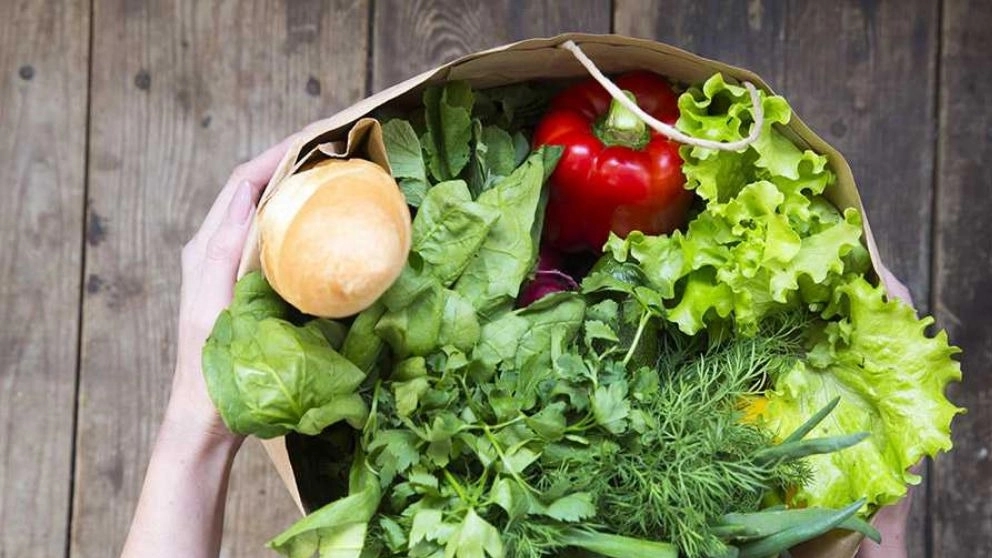
Spinach is in the first row of green and healthy leafy vegetables and has an effective nutritional value. One cup (30 grams) of raw spinach provides 56% of your daily requirement of vitamin A and all your need for vitamin K. Spinach is also rich in antioxidants that can help reduce the risk of chronic diseases.
Research has shown that vegetables that have dark green leaves, such as spinach, have large amounts of beta-carotene and lutein, which are two types of antioxidants that reduce the risk of cancer.
One research per year **** showed that consuming spinach can be beneficial for heart health and lower blood pressure.
Carrots
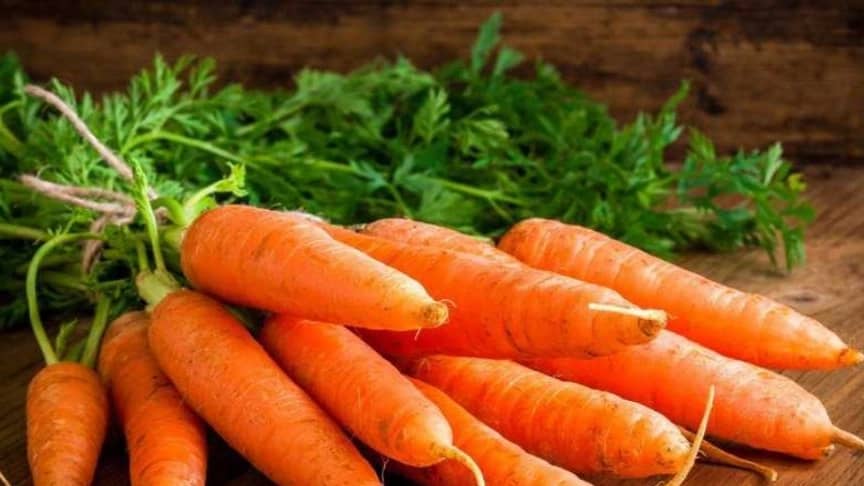
Carrots are rich in vitamin A, one cup of carrots (128 grams) provides the daily requirement of vitamin A. Carrots contain beta-carotene, which is an antioxidant that causes the orange color of carrots and helps prevent cancer.
One study shows that consuming carrots once a week reduces the risk of prostate cancer by 5%. Another study states that consuming carrots reduces the risk of lung cancer in smokers. Compared to people who consume carrots at least once a week, it is 3 times more. Carrots are rich in vitamin C, K and potassium.
Broccoli
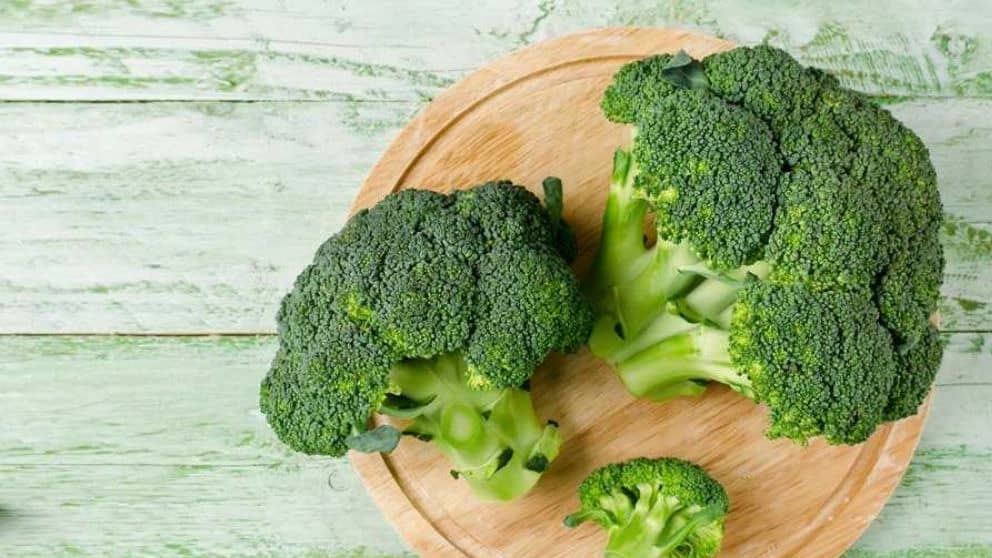
Broccoli is one of the sulphurous plants that are composed of two glycoside and sulphuride parts. Sulfuride has a protective effect against cancer.
In an animal study, sulfur was able to reduce the number of breast cancer cells and also reduce tumor growth in mice. Prevents chronic A **** animal study found that consuming broccoli sprouts can prevent heart disease by reducing levels of oxidants. Broccoli is also packed with nutrients, one cup of raw broccoli (91 grams, 161% of the daily requirement of vitamin K and 135 % of the daily requirement of vitamin C and has significant amounts of manganese and potassium
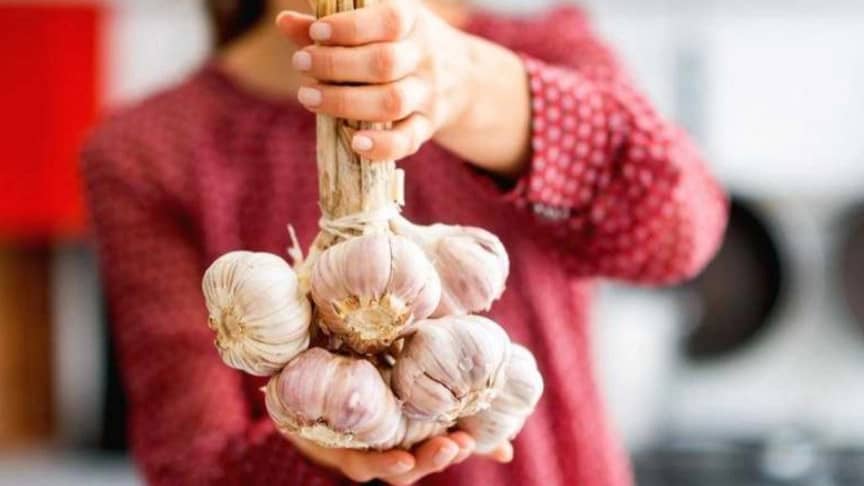
Garlic
Garlic has been used as a healing medicine since ancient times, and its history dates back to ancient China and Egypt. The main active component of garlic is allicin, which is the reason for the various benefits of garlic.
Several studies have shown that garlic can regulate blood sugar and ensure heart health. In an animal study, diabetic mice were given garlic, which reduced blood sugar and improved insulin levels. In another study, garlic was given to one group of participants who had heart disease and the other group did not, the results showed said that consuming garlic can reduce blood cholesterol, triglycerides and LDL and increase HDL in both groups.
Garlic can be useful in preventing cancer. A study showed that allicin can lead to cell death in However, more research is needed to understand the potential of garlic's anticancer properties.
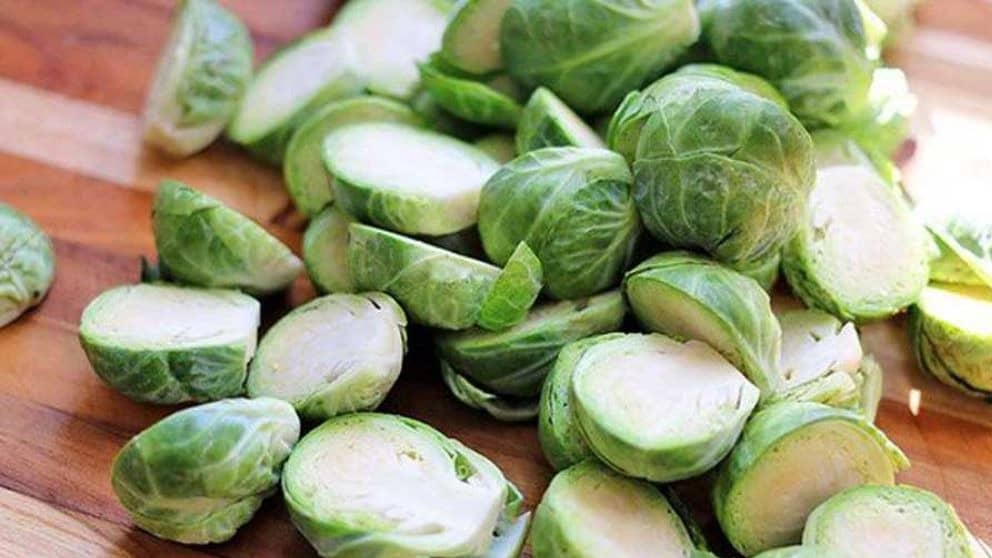
Brussels cabbage sprouts
Brussels sprouts contain the properties of broccoli. Brussels sprouts also contain kaempferol, an antioxidant that is effective in preventing cell damage.
An animal study showed that kaempferol fights free radicals, which cause cell damage and chronic disease. Studies show that eating Brussels sprouts can increase the enzymes that control toxicity by 15 to 30%.
In addition, Brussels sprouts are highly nutritious and each serving contains large amounts of vitamins and minerals, including vitamin K, A, and C. It provides manganese and potassium.