

Chrome weaving is one of the most beautiful handicrafts. In this art, fabric, textiles or accessories are made by tying long and narrow fibers together. The fibers used in macrame weaving are known as macrame weaving yarn and even macrame weaving rope. This thread or rope can be made from different materials. However, macrame enthusiasts often prefer natural fibers. A variety of macramé threads can be used to create a wide variety of decorative objects, jewelry and home furnishings.
انواع نخ مکرومه بر چه اساس دستهبندی میشوند؟
There are dozens of types of yarn, but yarn fibers can be divided into two main categories: natural and synthetic. Natural fibers include yarns made from cotton, wool, silk, and alpaca fibers. There are also yarns made from silk fibers and bamboo yarn, even natural yarns made from llama hair and dog hair. On the other hand, there are threads that are made from synthetic materials such as rayon, nylon, and acrylic. Yarns made with natural fibers are usually more expensive than those made with synthetic fibers. This is especially true if the fibers are produced organically.
از چه نخی میتوان برای مکرومه استفاده کرد؟
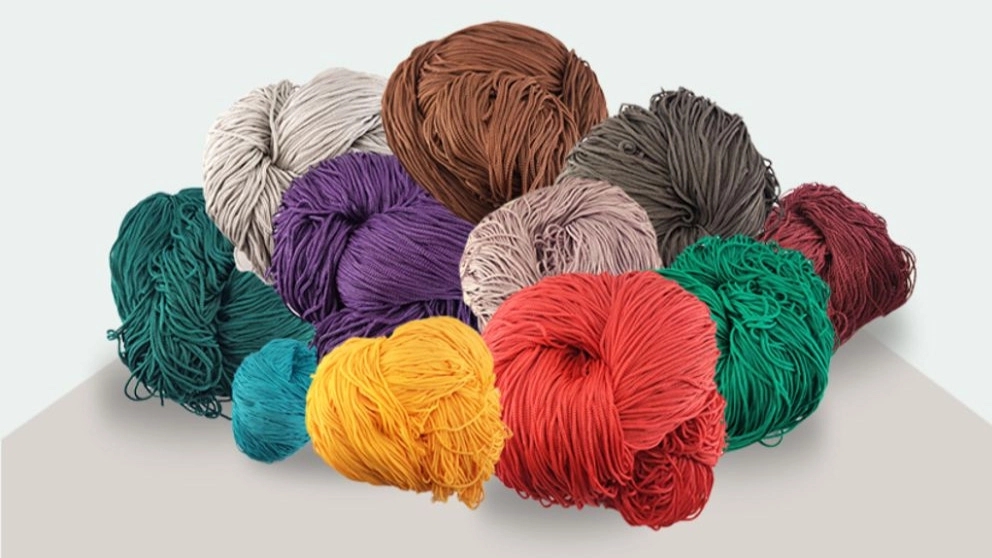
Technically, almost any long and thin fiber can be used as macrame thread, with this view macrame threads can include anything from cotton twine to more unusual materials such as recycled plastic bags. However, most macrame enthusiasts prefer natural materials such as hemp, wool, or even leather. Also, the fibers used to produce different types of macramé yarn may be used to create colorful yarn balls. Many craft stores sell spools of macrame thread in different thicknesses and colors.
Recognition
Single strand macrame thread
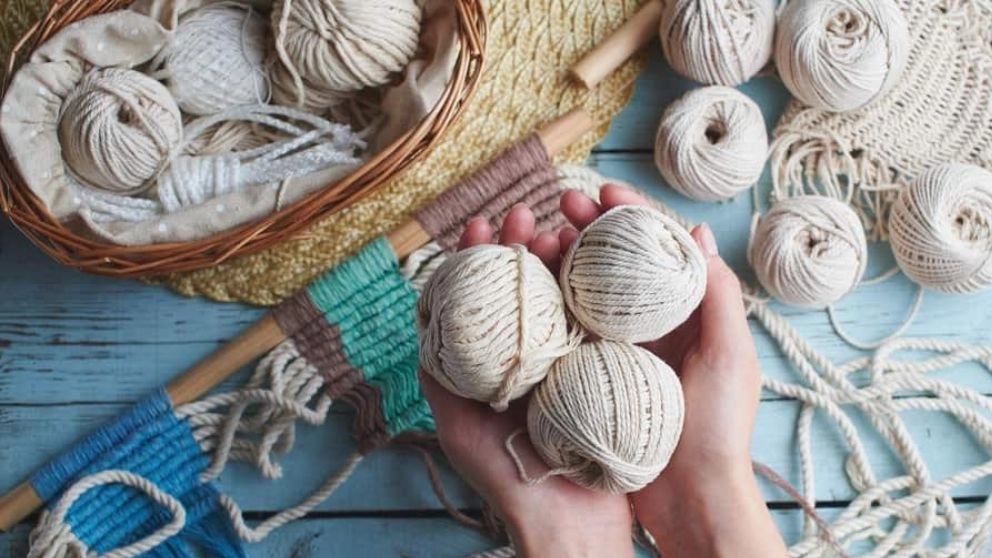
Single strand macrame thread is the thinnest and most popular thread available for creating fiber arts. Just as the name suggests, this yarn is made from a twisted strand of natural cotton fibers. This thread is also known as "natural cotton" because it is not woven and only tightly twisted. This thread is not as strong as other types of macrame thread, but with the presence of wall coverings, feathers and curtains, it looks like a great material and conveys a nostalgic feeling to macrame viewers! Single strand yarn is perfect for creating works that are going to have a yarn border, as the cotton ends of the yarn are easy to brush and look great when finished! This type of thread is also called soft macrame thread.
Multifilament macrame thread
Most of the time, modern multifilament thread is made of three twisted threads, But historically, 6-strand rope has become the standard among macrame multi-strands, but today's multi-strands are not as heavy and coarse as the ropes of the past, while still being incredibly strong. These ropes are much stronger than single strand rope and perform exceptionally well when used for plant hangers, chairs and sandals. This type of thread is called twisted Makromeh thread.
Importance
There are different thicknesses that can improve or destroy the quality of macrame. For example, by using too thin a thread, you will lose visual texture. Using too thick rope can also lead to a messy and awkward effect. There is no set thickness for macramé thread and the use of any thickness really depends on the situation. Experience has shown that the thickness of 3 and 5 mm is used in almost any situation. It is for this reason that unlike very thin or thick thread, it is easy to weave and knot this thread with this size.
Also, 1 mm thread is basically just cotton thread. It can be used to make small and highly detailed projects such as (intricate miniature wall hangings). However, if you don't have small fingers, it can be very difficult to work with! On the other hand, the 8 mm thread is suitable for heavy work and you can use it for all kinds of work that requires coarse textures.