

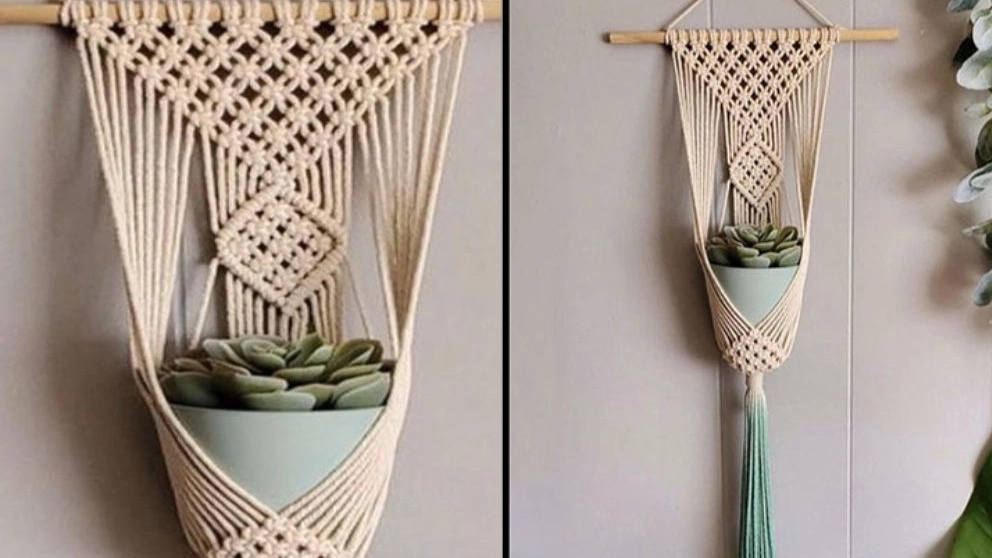


Macramé, which is wrongly called Makromeh in Farsi, is a type of weaving and handicrafts in which various textiles are made using knots. Since this art has become popular again in recent years, therefore, artisans and artists are presenting innovative methods to make all kinds of artistic and practical objects by using Makrameh; Therefore, the art of weaving will not be limited to hanging vases and wall decorations. Sometimes it has been very popular and sometimes it has lost its popularity for hundreds of years. However, this method has always been alive to some extent due to its practicality and has never been forgotten. The remarkable thing about this method is that you can make things like a table and a switch holder just by using your hands and a few cheap tools.
History of Makroumeh (Makrama)
The art of Makromeh (Makromeh) is currently receiving renewed attention; But this is not the first time such a thing has happened. When most people think of Mukarmah; Their minds turn to wall decorations inspired by gypsies in the 1960s and 1970s. But to reach the origin of this method, we have to go back earlier; Some believe that the method of knotting began in the 13th century. Other historians believe that ancient Persians and Babylonians used knotting method to make artifacts.
But in the modern era, Makromeh or Makromeh is considered a type of art that was brought to the West from Arab countries. Weavers in this part of the world used several methods of knotting to finish the borders of handwoven carpets, rugs and bearded shawls. They used a hobby. Until the 17th century, this art reached England and the ladies who were waiting for this art; It was learned under the guidance of Queen Mary II.
But women were not the only people who showed interest in the art of weaving. Sailors used knotting to make practical items; At the same time, weaving was considered a way to keep the sailors busy and relieve their boredom during long sea voyages. Finally, these sailors helped to spread this art throughout Europe. Arriving at new ports, they traded with these luxurious woven items that they had made on their ships. Such items included socks, hats, and belts. Finally, during the 18th and 19th centuries, areas under Queen Victoria's rule used the fine art of weaving to make textiles, until after the Industrial Revolution, sewing machines replaced them. They took this art. Hand knitting became popular again in the late 60s and 70s; But it quickly fell out of fashion in the 1980s.
Supplies required for Makrama weaving (weaving)
- jute
- multi-ply string
- thread
- hemp
- leather
- base rings
- wooden beads
before Prepare all the necessary items for Makromeh Bafi; Try to use the things you have at hand for the first time. Because you should before you spend a lot of money; Make sure you are passionate about it and enjoy it. Find a suitable type of thread and a base ring at home. Find a board around your house that you can use as a work surface. There are clips for crocheting that you can use to connect the thread to the work surface. But to save money in your first job, you can also use a safety pin.
Ideas for Mecca or Makroeh Weaving
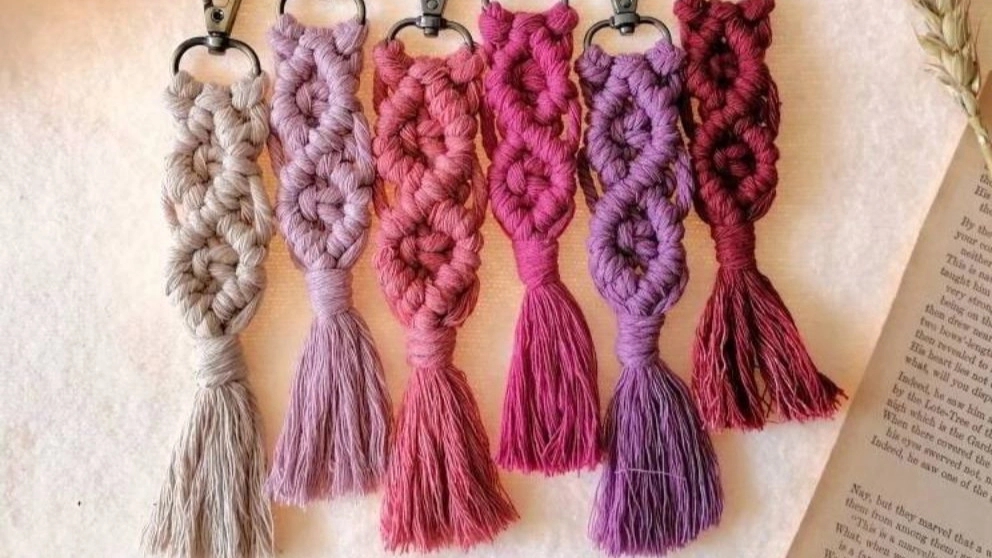
You can do different things in the field of weaving. Each Makromeh Bafi project includes various designs that you can complete according to your taste. When you get used to tying; You can create your own patterns and make completely unique textiles. Think of ways you can personalize the following crocheted items:
Wall hangings
Decorative vases
Switch holders
Belts
Jewellery
Stitching the borders of other textiles
The new generation may want to change the Makromeh Bafi at will; But people of any age can enjoy this work and fall in love with it.