
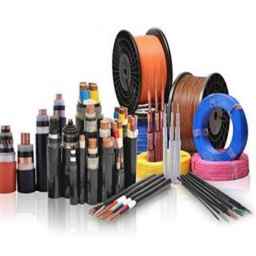

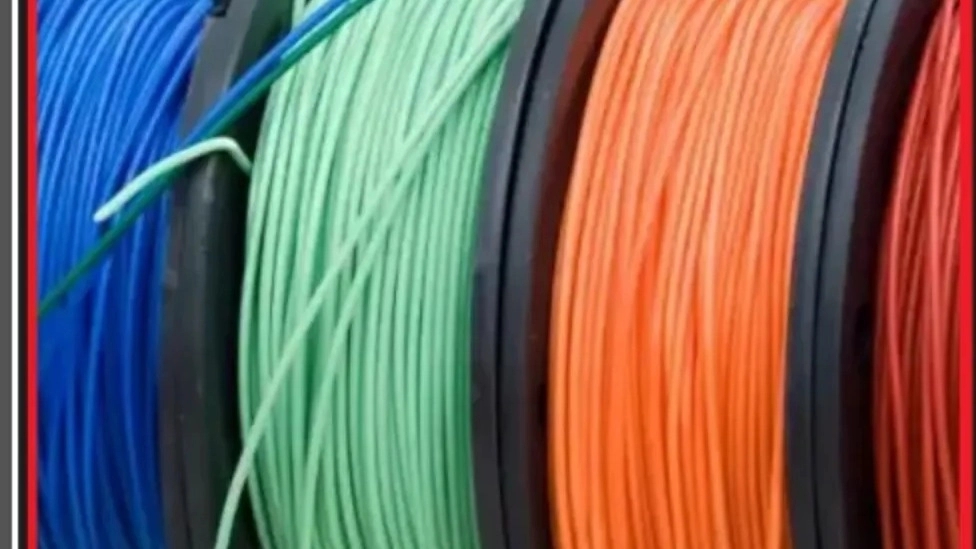
What is the use of wires and cables?
Wires and cables are generally used for electric energy transmission and power supply. One of the most important equipment that we see in every building is electrical equipment. You must have seen all kinds of electric cables and wires in the passageways and roads. These cables are responsible for the transmission of electricity.
Electric cable is one of the most important electrical components, which refers to one or more wires or ropes that are closed or twisted together. Copper wires are placed inside the electric cables, which are responsible for the transmission of electric current.
In some cases, electric cables are used to transmit medium and high pressure electrical energy. Their application in electrical installations is very wide, the general definition of cable is any type of conductor that can pass electric current through itself and also be insulated, that is, the voltage on the surface of the insulation is zero compared to the ground, and on the surface of the wire, it has a phase voltage relative to the ground. to be, it is called cable. Wires are used to transmit electricity from a conductor and to prevent electricity from leaking around an insulator.
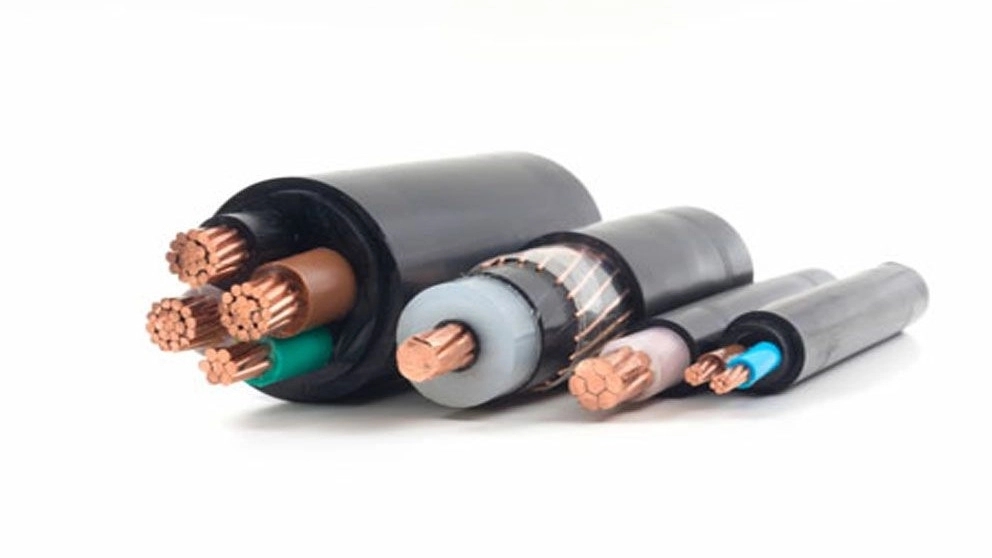
Types of cable
Cable generally has three general parts: conductor, insulation, cable protector Of course, cables are also used in mechanical industries, which are used for towing, carrying objects, and lifting equipment, but in this topic, we are dealing with electric cables, which are used for various tasks. Multi-conductor cables They have several conductor wires with an insulated sheath, which is widely used in remote control circuits. Power cables All building electric cables consist of two parts, conductor and protective wire. Twisted pair cables This type of electrical cables, which are in the form of twisted pairs of cables, are used for long distances. Fiber optic cable This type of cable, which includes bundles of glass fibers inside an insulating cover, is widely used in the telecommunication industry. High pressure cables These types of cables are widely used in the electrical industry and are made of conductive metals such as copper and aluminum and can withstand a high voltage of about 400,000 volts. Poor tension cables These cables are made of copper and aluminum and insulated with different polymers and have a voltage level of up to 1000 volts.
The main difference between wire and cable
Wire and cable are terms that are frequently used in the electrical and communication industries. Most people do not know the difference between wire and cable, their functions are different. The main difference between wire and cables is that the wire is single, but cables are a group of wires in a plastic material.
One of the types of cables available in the market can be referred to as wire cable, which consists of several strands of wire twisted together. In general, the word "maftol" means woven and woven together. The conductor of all wire cables is made of copper and is used with PVC insulation.
Afshan cable, which is called a flexible cable that has several single-stranded wires in it. Cables are very important in the industry and like other cables, they have a conductor and a type of insulation. Its conductor material is made of annealed copper and the insulation is made of PVC type C.
Semi-expanded cables are also known as wire cables with semi-expanded cable conductor structure, which are made of copper and are used in environments with less mechanical damage. It has a dry cable with an input voltage of 300 to 500 volts.
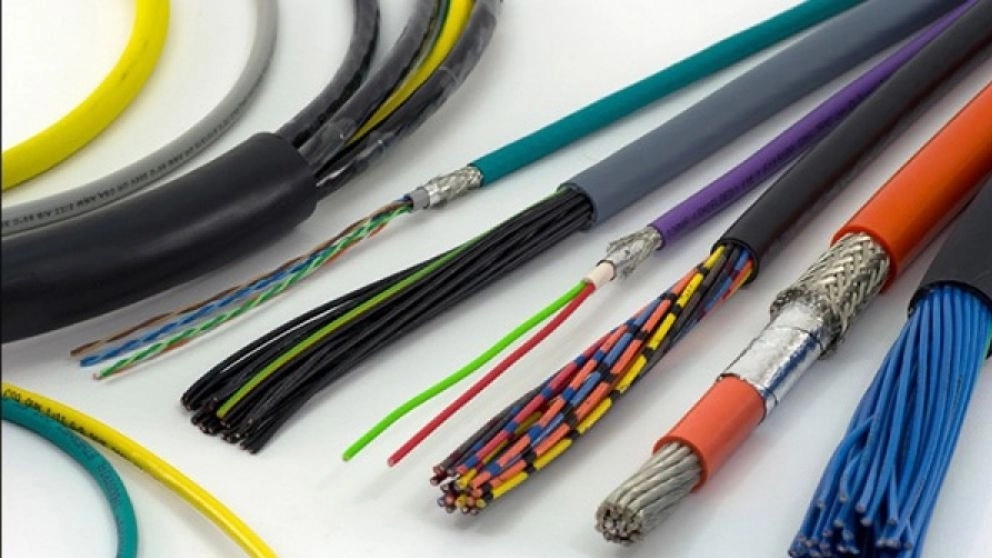
What is a nylon wire?
Nylon wire is one of the electrical wires that are mostly used in building wiring. These wires are responsible for transferring electric current from one point to another.
There is an earth wire or cable in all electronic devices, from small devices to large and complex ones. Maybe it happened to you that when you touch the body of the refrigerator, you feel a very weak vibration, like an electric shock.
Network cable is a cable communication platform used for data transfer, sharing and connection, and the devices of a network are used to each other or to other networks. Network cables are different according to the size of networks, such as optical fiber cable, twisted pair cable, coaxial cable.
The telephone wire that is implemented for landline phones by the telecommunication company or on the ground using special telecommunication cables and is connected to the subscribers' homes using distribution boxes in the city.
Air and ground cables
Aerial cables are wires and cables that transmit electricity at heights and in the air, and ground cables are used for cabling and electricity transmission in the basement, water, canals and places where mechanical impact is not possible, and the voltage between It has 600 to 1000 volts, and of course wire and aerial cables can also be used with a nominal voltage of 1 to 36 kV. Aerial cables are mostly used for telephone lines and power transmission, and nowadays the use of these cables is very common.
Aerial cable in copper and aluminum AAC, ACSR and AAAC are used for low and medium voltage energy. Using aerial cable with bare conductor, which is easy to build in networks, lower construction cost compared to land networks, easy troubleshooting and repair, has branching capability with low cost and time.
One of the advantages of airlines and the use of aerial bare conductor cables is the possibility of easy implementation and the ability to view all networks and the repair and troubleshooting of the network and its lower costs compared to the terrestrial network at higher voltage levels.
Underground cables eliminate environmental hazards such as lightning strikes, trees, foreign objects, and birds, and also reduce cable and energy theft.
Aluminum conductor aerial cable has high-strength aluminum metal wires that are woven around a central wire in one or more layers. Each layer has six strings more than the previous layer. With high flexibility, these conductive wires increase the number of layers on a specific surface. These aerial cables are usually created with the number of strands 61, 37, 19, 7 and 91.
Steel is one of the metals that are used due to their high mechanical strength, but they have less electrical capability for making wires; Therefore, steel is used only in cases where mechanical strength is primarily important.
Aluminum aerial cable is divided into three categories:
Air wire is AAC. The conductor of this wire is made of pure aluminum.
AAAC overhead wires are made of aluminum alloy conductors.
ACSR air wire has aluminum conductor and steel core.
Silicone refractory cable
Silicones are compounds that have a great diversity in formation and good performance against different temperatures. Silicon, which is a SI silicon element from a quasi-metal family that can withstand hot environmental conditions, high humidity, and cold temperatures below 60°C and heats above 250°C. Their chemical and physical properties will not change at all.