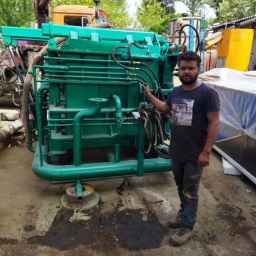

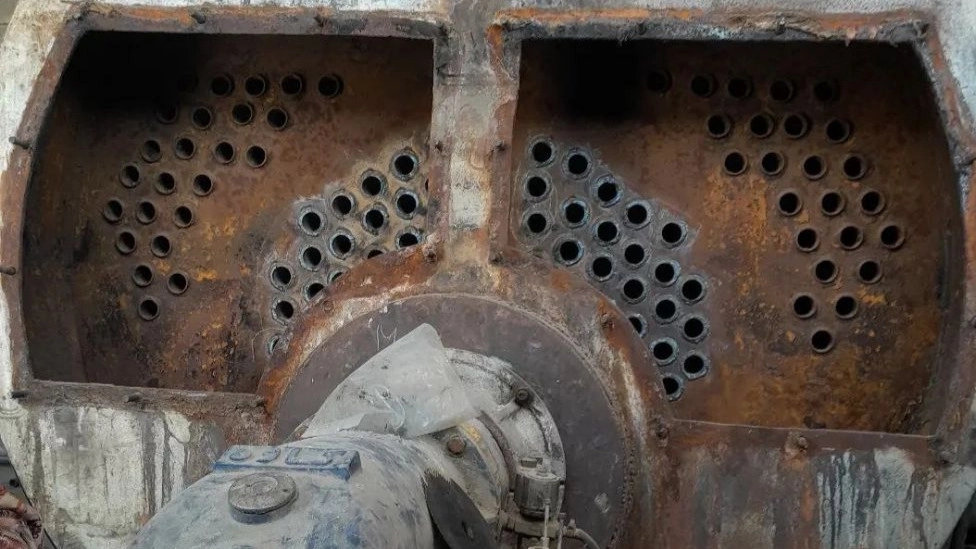
In terms of material, boilers are classified into cast iron and steel models. These alloys are very resistant to corrosion and rust. They cover the pot with fins of these alloys. These vanes may be damaged in a long time, which should be replaced with new vanes. In the following, we will examine each of the factors.
water hardness, one of the most common causes of boiler piercing
The presence of salts and water hardness is one of the most common causes of boiler perforation. Due to the continuous heating of the boiler, the water solutes gradually turn into sediment in the heating system and the heating boiler. Sediment and debris clog the pipes. As the boiler heats up, the places where the sediment is collected become very hot and have holes. To prevent this from happening, you can use resin hardeners and anti-sediment.
Corrosion of Boil Boils of the Motor House
Oxygen is one of the elements that causes the oxidation of metals. Due to the presence of this element in water, chemical reactions occur. These reactions cause corrosion of various components, especially blades. This issue can directly damage other boiler components.
High Pressure, another cause of boiler drilling
It is better to always pay attention to the boiler pressure in the engine room. An increase in the pressure of the engine room boiler and an increase in the water inside the boiler causes holes and leaks. When boiler pressure increases, pressure relief valves release excess water as a leak. If the pressure release valve does not work properly, other parts inside the boiler will be damaged. Therefore, it is very important to install a pressure gauge on the boiler.
Thermal Shock
Sometimes thermal shock can be the cause of boiler perforation. As a result of continuous heating and cooling, cast iron pots expand and contract. There is no danger when the expansion and contraction happen at a low speed; But the sudden change in temperature causes the thermal shock of the boiler. Improper capacity of the heating boiler, low volume of water returned to the boiler, and multiple turning off and on of the burner cause thermal shock.
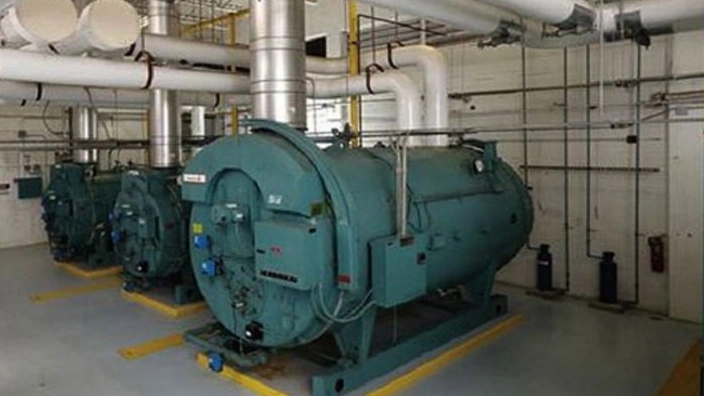
frying boiler blades
The presence of sediment in the parts connected to the boiler and not using the thermal groove prevents water from flowing in the system. In this case, the burner in the boiler works without water and the blades are fried little by little. This function can puncture the boiler and cause water leakage.
explosion in the combustion chamber, from the cause of the boiler piercing
Accumulation of fuel in the combustion chamber is very dangerous. The smallest spark will blow up the boiler and damage the boiler blades. This incident leads to holes and leaks in cast iron pots.
Condense of combustion products in the boiler
After combustion, the gases in the boiler cool down and change from the gas phase to the liquid phase. The remaining liquid in the chamber is acidic. These acidic materials can damage the body of the boiler and cause corrosion of the blades.
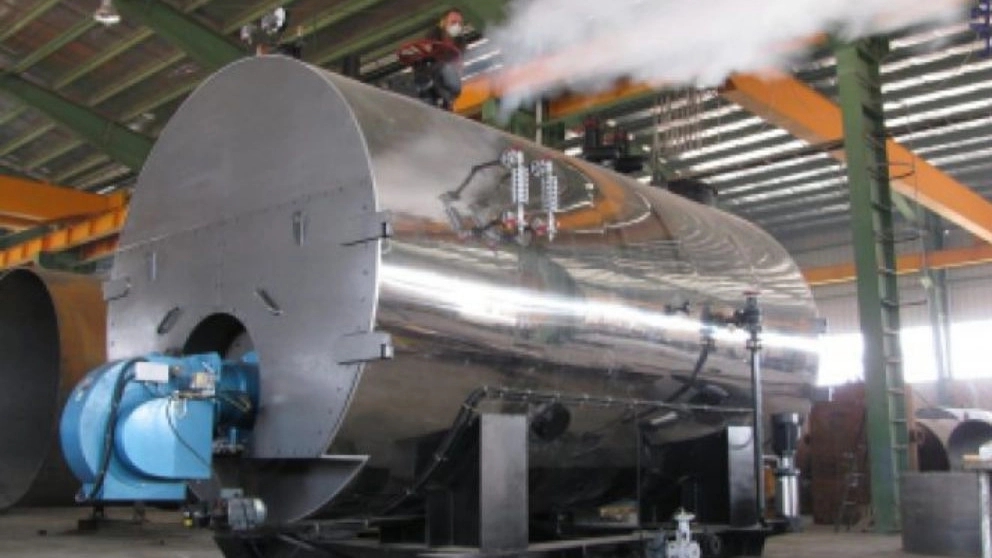
The flame of the torch
If you do not adjust the flame of the burner correctly, the blades of the pot will become very hot. High heat causes the blades to corrode and leak.
frost in the boiler compartment for the cause of the boiler piercing
In addition to high heat, very low temperature can also cause a hole in the boiler. Due to the sudden decrease in temperature, burner and pump shutdown, freezing occurs. If the water temperature drops below four degrees Celsius, the cast iron alloy will contract and can puncture the hull. In the jargon, this action is called "crushing the boiler blade".