
What is a container?
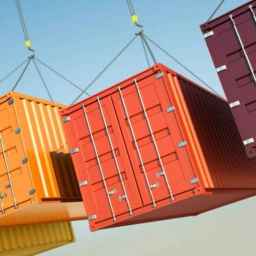
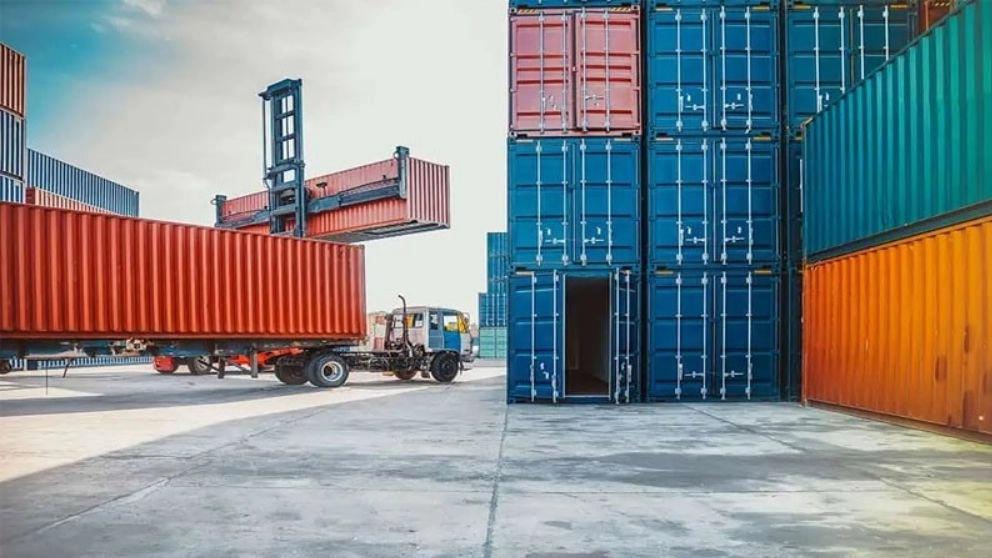
Containers are one of the main and most integral parts of international transportation of goods. Containers are used for import and export and sea transportation. The container is made of galvanized sheet and they differ in size and color. There are different containers, each of which is efficient and for a specific load.
Container performance
Kanitners are suitable for sea transportation and cargo. Containers with their metal structure protect your goods against water and impact. The main functionality of the container is different from each other, that is, each container is determined by the customs according to the gender of your import or export.
Container types
Kanitners have different types that you can use according to the conditions and gender. Open container, refrigerated container, 20 feet, 40 feet, two doors, insulated and for different types of containers.
1. Open the container
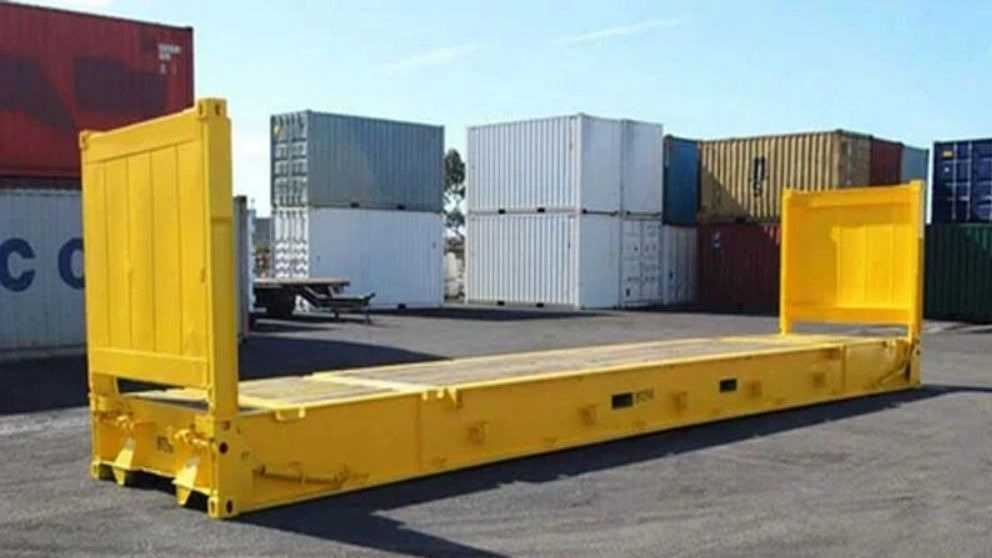
This container is for carrying objects whose height is very high. Like industrial equipment that enters the country. After loading, these containers are covered well with a tarpaulin cloth to avoid any problems with the cargo.
2. Refrigerated containers
Refrigerated containers are used to import or export food, medicine and any other material sensitive to high temperature to prevent its deterioration and spoilage.
3. 20 feet container
It is one of the types of containers that are used as sheds and mobile homes due to its small space.
4. 40 feet container
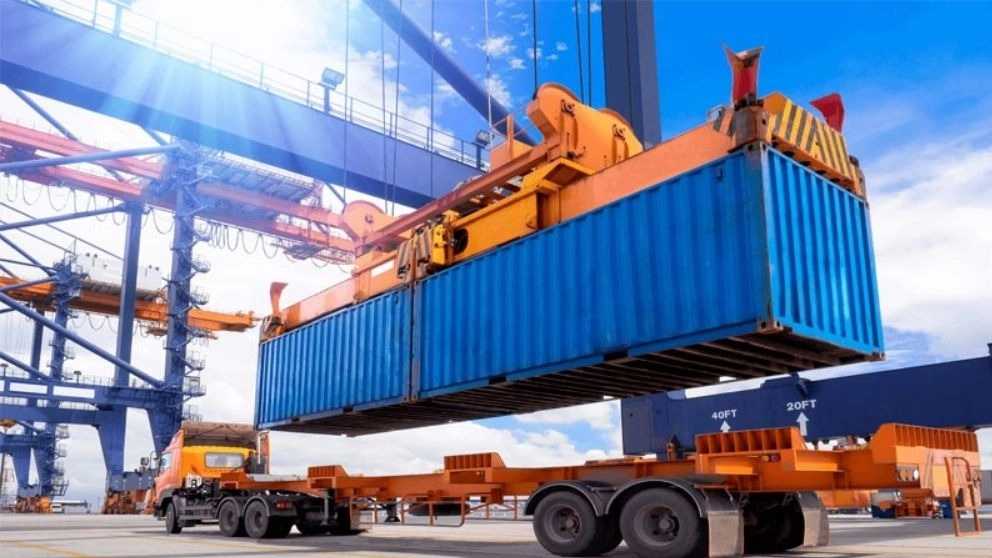
One of the most widely used and famous containers is the 40-foot container. This container is widely used in cargo and cargo because of its large space. Among the advantages of this container, he pointed out faster loading, reasonable price and use in all cargo transportation methods (land, sea and air).
5. Double door container
Double door or tunnel container, this container is very convenient for loading and loading. Due to its moisture resistance, the tunnel container is used to move heavy cargo such as those devices.
6. Insulated container
The insulated container, with internal protective layers that have no moisture and air, affects the internal cargo. This container is mostly used in marine transportation and electrical goods.
7. Special container
As the name of this container shows, it is specially made for any job with any dimensions according to the customer's request. These containers are less demanded to be installed on other models due to the high construction cost, but they are used for a series of special goods.
8. Half height
Half height containers are mostly used in industry and mining. The reason for using these containers is its low center of gravity, because it can transfer heavier loads to other containers.
The benefits of using the container
Advantages
Reasonable cost
easy to carry
Easy loading and unloading
The possibility of insuring the cargo
Too much to download
Reduce packaging costs
The possibility of removing the middleman in the delivery of cargo
What is the difference between the container and the container?
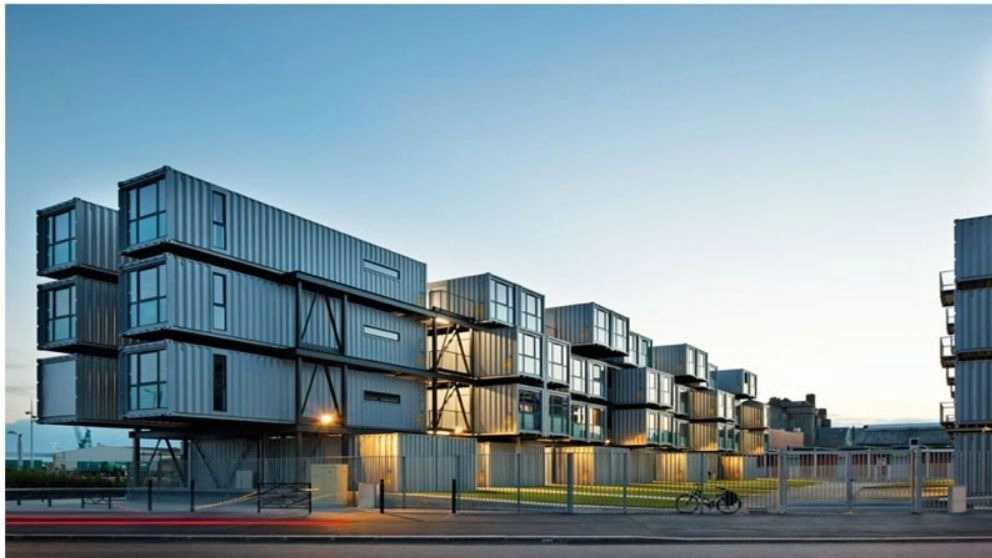
In the beginning, we mentioned the efficiency of containers. What is the difference between a container and a condo? Containers are used to transport and move goods, but shanties are for human life. The shanties have air vents, windows and toilets, but the containers have thick layers, suitable for moving cargo and without shanty facilities. In terms of appearance, the container and the shed are the same, but they are very different from each other in terms of functionality.
Container construction steps
The structure and efficiency of containers are different from each other, but their basic construction steps are somewhat the same. The basic construction steps of a container are as follows.
Containers are made of foil sheets, the reason for using these sheets is their high resistance and strength against water penetration.
First, the foil sheets are cut to the specified sizes and then they are given the desired shape by a special machine.
In the next step, these sheets are made into shutters to increase its resistance several times.
In the third step, the prepared sheets are welded to the main skeleton.
In the fourth step, rust colors are added to the main body so that they do not get damaged or rusted if water comes in contact with them.
In some containers, a wooden bottom is placed for easier moving and increasing the resistance of the container.