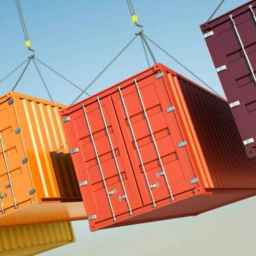

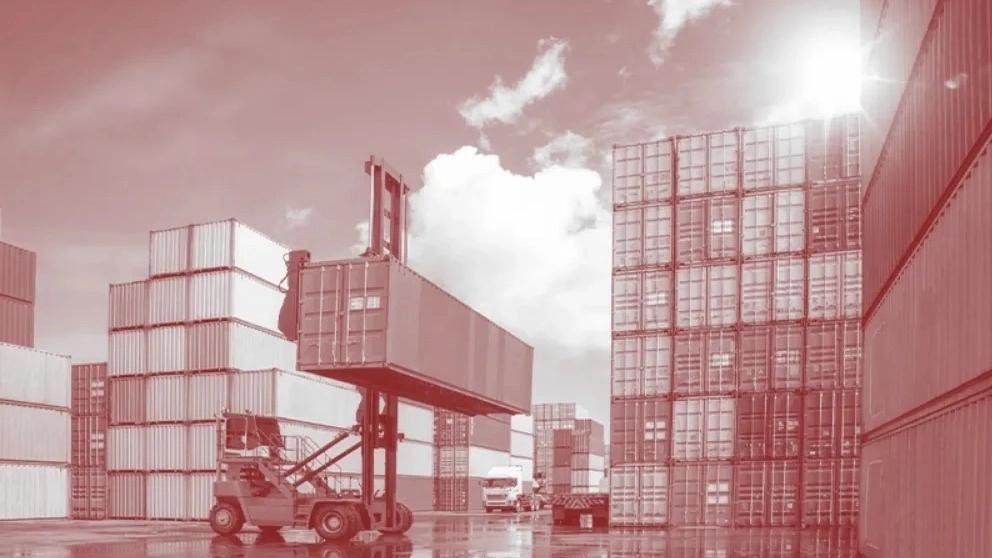
different sizes of container in maritime transport
The exact dimensions and volume of different types of containers in international sea transportation are different, which include:
20 feet container
- Length: 6.50 meters (about 20 feet)
- Width: 2.44 meters
- Height: 2.59 meters
- Volume: about 1.33 cubic meters
40-foot container
- Length: 19.12 meters (about 40 feet)
- Width: 2.44 meters
- Height: 2.49 meters
- Volume: about 2.66 cubic meters
45-foot container
- Length: 13.17 meters (about 45 feet)
- Width: 2.44 meters
- Height: 2.59 meters
- Volume: about 75.12 cubic meters
53 feet container
- Length: 16.15 meters (about 53 feet)
- Width: 2.44 meters
- Height: 2.59 meters
- Volume: about 14.88 cubic meters
These containers are used as the most standard sizes in international shipping. Each of these sizes are designed in order to comply with international standards, ease of loading and unloading and transfer of goods in specific dimensions; That is, the container in international land or sea transportation is produced in these sizes so that it does not interfere with the transfer of cargo, and the coordination of the sizes makes the capacity of the ship to be used well.
What are the benefits of carrying cargo with container?
Facilitating loading and discharge
Containers, due to their standard dimensions and shapes, make the process of loading and unloading much simpler and faster. This means reducing the time required for loading and unloading goods, and as a result, reduces the costs of sea transportation and warehousing of goods.
Keep in mind that all containers have two holes and a place to hook the crane. All containers can be moved with various types of ship or port cranes or... and this greatly increases the speed of loading and unloading.
Increase Security
Containers keep their contents hidden and safe, and by adding security locks and control systems, they reduce the possibility of intrusion and theft of goods. This ensures the security of the goods during the transportation route, and being sealed in the container shows the buyer or the recipient of the cargo that no goods have been added or reduced along the way.
Reduce damages to goods
By placing the goods in the containers and keeping them stable, the possibility of damage to the goods due to different shocks and impacts is reduced. This issue guarantees the improvement of the quality of goods delivery and makes any shock not easily damage the cargo.
facilitating displacement between devices
Another advantage of using a container in sea transportation is that it is easily transferred from one means of transportation to another. This means that the goods can be easily transferred from the ship deck to the port platforms or placed on container-carrying trolleys or any other means. The same thing makes you not have problems to transfer and load and unload between different devices.
Reduce warehousing costs
Containers are also used as storage units in maritime transport; It means that the goods are easier to store in warehouses when they are in containers, as a result of which warehouse rental costs are reduced and you can use more warehouse capacity.
Reduce damages to goods
The use of containers in sea transportation prevents damage to the cargo; That is, the container acts as a box or protection that protects the cargo against wind, rain, sea waves, sunlight, etc.
Improved Management of Time
Containers are used as trackable and remote control units. As an international shipping company or cargo owner, you can easily place a tracking device inside the container and know where your cargo is at any moment. This makes the cargo reach its destination faster; Because different agents in shipping know that you have the exact location of the container.
environmental and energy
The benefits of using the container for the environment are:
Reducing loss and waste of goods and shipments
Containers act as protective storage units for goods, reducing losses during transit. This means reducing losses and environmental waste related to the loss of goods.
Reducing road traffic
Containers in sea transportation reduce the volume of road traffic. This will reduce the emission of carbon dioxide and air pollutants and ultimately keep the environment healthier.
Improving port traffic management
The use of containers improves traffic management in ports. This means reduced waiting time for ships and vehicles in ports, which leads to reduced fuel consumption and air pollutants.
Fewer extra packages in the package
Containers avoid the need for additional packaging for goods. This helps to reduce waste generation and resource consumption.
Productivity of natural resources
Using containers means reducing the need for wood and other natural resources for packing goods, which helps to preserve natural resources.
Types of Suitable for Container
The goods that are better to be transported by container in sea transportation are:
General Cargo
It includes goods such as home appliances, clothing, electronics, retail equipment and other general goods.
Food and Agricultural Products
It may include agricultural products such as grains, fruits, vegetables, meat, fish and prepared foods such as canned goods.
Mineral Products
Goods such as metal and non-metal mines, coal, crude oil and other mineral products are among the goods that are transported by container.
Petroleum Products
Products such as crude oil, diesel, gasoline and other petroleum derivatives are transported as liquid cargo with containers. Of course, keep in mind that if we want to transport these products with a container, we have to put them in other packages. For example, when we pour diesel in 200-liter barrels, we can easily transport these barrels in a container.
Chemical Products
Chemical goods such as petrochemical products, paints, detergents and other chemicals are transported in containers. These items usually need to be in other packaging to be transported by container in sea transportation; This means that we cannot pour these chemicals in liquid form directly into the container.
Forbidden goods in containers
The following items cannot or should not be transported by container:
Liquid and Perishable Goods
Liquid products such as gases or fresh confectionery, fresh fruits and vegetables that require temperature control or perishables cannot be shipped in a container unless you have made the necessary arrangements for this.
Oversized Goods
Large goods that are larger than the standard dimensions of containers; Like industrial machinery.
Animal products (Live Animals)
Live animals such as livestock, birds and pets are not transported directly with containers due to the need for special conditions in transportation.
Hazardous Materials
Hazardous materials such as hazardous chemicals are not transported in containers. Of course, some dangerous materials must be transported by container, which the international shipping company will inform you about.
Bulk Goods
Products such as dry grains, edible food, coal, non-metallic minerals and similar products that do not need containers in a scattered and unpackaged manner and are transported in bulk by special ships.
Therefore, the choice of using a container or another means of transport depends on the type of goods, the distance of transport and the specific conditions of transport.