
1. Choose a stiff potato
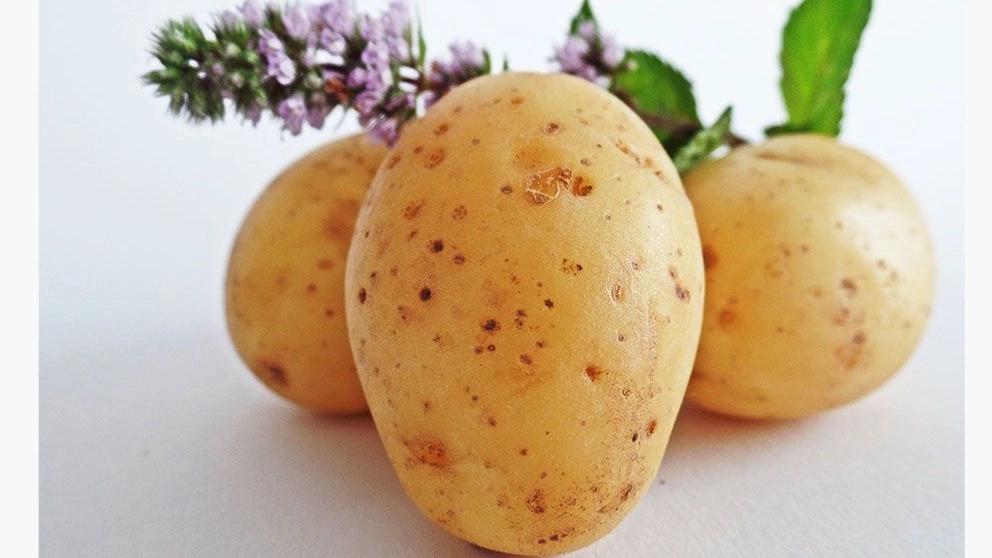
Potatoes should be firm. It should not sink in when you press it with your finger. The softening of the potato is a sign of the beginning of its spoilage process. If potatoes become soft at home, it is better to consume them immediately. Avoid buying softened potatoes from the store; Unless you plan to consume it immediately.
2. Healthy level
A cut on the skin of a potato can spoil it. Cuts can also become a place for bacteria and mud to enter the potato. When buying a potato, check it all over so that there are no cuts on the skin. If there are small scratches on the potato skin; Use the rest of the potato by removing the parts around the scratches. But note that by buying potatoes with a healthy skin, you will no longer need to throw away parts of it. This will also be economically viable.
1. Natural smell
Since potatoes grow in soil; Fresh potatoes should smell a bit earthy. Of course, its skin should not be too muddy and earthy.
1. No sprouts
If there are eyes on the potato, it means it is sprouting. Only buy sprouted potatoes if you plan to use them in the next day or two. Before consuming and cooking potatoes, it is necessary to remove the sprouted parts completely from the surface and depth of the potato with a spoon or knife.
1. Fresh
Wrinkles on potatoes can be a sign of improper transportation, loss of moisture, or storage in too hot a place. Be sure to note that the potato should be flat and raised.
6. Natural color
One of the factors for identifying a healthy potato is the color of the potato. The darker the skin of the potato, the better. Darker brown potatoes are more nutritious. While yellow potatoes have less properties. Potatoes that are partially green contain a toxin called glycoalkaloid or TGA. Glycoalkaloids are toxic compounds found in plants of the potato family. These compounds are found in all organs of the potato; Their highest concentration is found in flowers. One of the compounds of this poison is solanine, which occurs naturally in potatoes.