

The most important breakdown in diesel engines
No matter how much resources are spent on the service and maintenance of a diesel engine, defects and breakdowns will happen either randomly or in proportion to the life and operating conditions. In the following, the main systems in a diesel engine will be briefly reviewed along with common parts and failures, and finally, an operational solution will be provided for better maintenance of these systems.
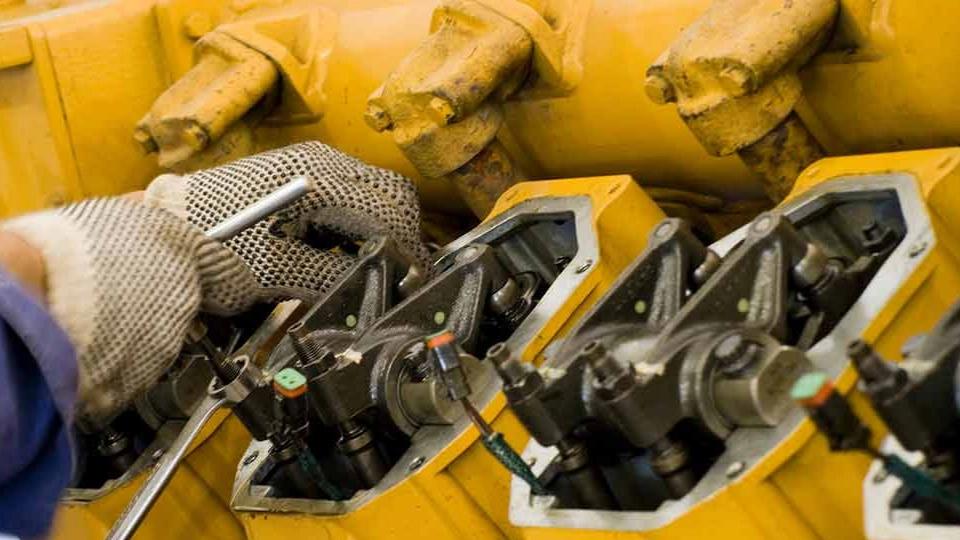
Fueling system: The act of supplying fuel with the right amount and timing is done by the correct operation of this system in the engine. A set of connections, hoses, electric or mechanical valves, pumps and finally injector needles can be seen in new and old fuel systems. Defects in this system can occur under the influence of simple factors such as clogging of the circuit by polluting particles and air intake in the circuit. More complex breakdowns such as out of adjustment of the fuel pressure and flow controller regulator or out of calibration of the sensors or the need to reset the dynamic timing are among the more complex breakdowns that must be identified and fixed by experts and of course suitable spare parts. . Any program that is going to be used for the maintenance and repair of diesel engines should be developed considering the common failures in this system.
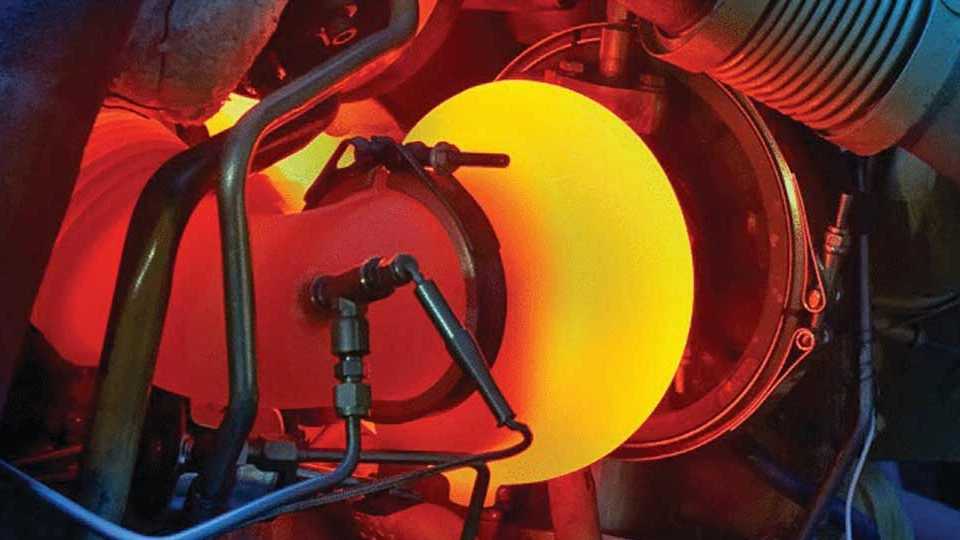
Air supply system: At the heart of a diesel engine and in the combustion chamber, the mixture of air and fuel created through air valves and fuel injectors is pressurized by the piston crown and ignited. . The quality of this combustion is highly dependent on the amount of dense air in the combustion chamber. If the air is less than the specified required amount, the fuel will undergo incomplete combustion and black smoke will come out of the engine. are equipped with this) and the turbocharger is damaged, blocked or leaking, the amount of air in the combustion chamber is overshadowed and as a result the engine is out of its optimal performance and may even have problems starting. Paying attention to possible failures in this system and their effect on the overall performance of the equipment should be included in the design of the diesel engine maintenance program. It is clearly designed. The highest engine efficiency is achieved in the same temperature range. The cooling system is installed in the engine for this purpose and to maintain the temperature conditions in the desired range. Generally, a mixture of water and antifreeze is used as a cooling fluid in a diesel engine. The cooling fluid enters the water pump in a closed circuit from a possible tank and circulates in the circuit.
The thermostat, which is responsible for regulating the temperature, is closed up to a certain temperature (usually in the range of 80 to 90 degrees Celsius) and the fluid circulates only inside the channels of the engine and the cylinder head. From a certain temperature, the thermostat starts to open and at a certain threshold, it returns completely. When the thermostat opens, the cooling fluid enters the radiator and transfers part of the engine's heat to the environment. Failure to properly mix water and antifreeze, water pump coming out of the seal, thermostat remaining open, radiator clogging, cracks in the cylinder head and mixing of water and oil, etc. are all common defects that can occur in the cooling system of a diesel engine. to happen Training the operator to monitor the engine temperature, using laser thermometers to measure the temperature of different parts of the circuit, etc., are among the usual methods for quickly identifying defects in this system.
Lubrication system: The reciprocating movement of the pistons is transferred to the crankshaft through the connecting rod, gajnepin, and movable bearings and is converted into a rotational movement. The lubrication system makes the engine oil available within the allowed gaps between these parts and prevents premature wear and tear of the parts. Regardless of the quality of the oil, the correct operation of components such as oil filter, oil pump, one-way valve, etc. plays a significant role in maintaining the efficiency of the lubrication system and, as a result, preventing possible failures.
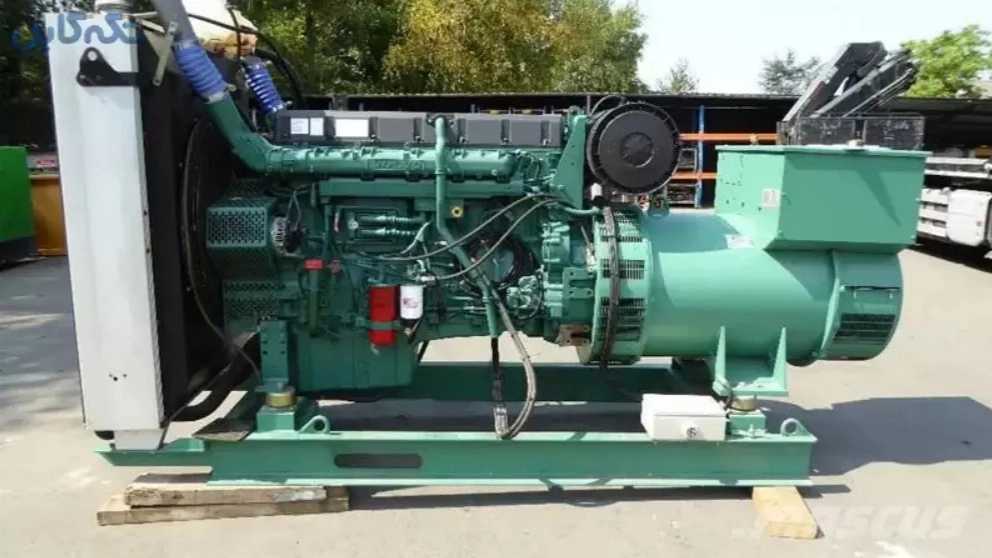
The lack of oil in the right quantity and quality, in situations such as fixed and movable bearings, loose distance between the piston and the piston bush, cylinder head parts including valves, etc., can cause contamination of the circuit due to the drop in oil pressure under the influence of filter clogging. , increase in viscosity and... happen. In addition to changing the oil with the right timing and quality, the operator must perform daily visits and periodic oil analysis. Paying attention to the quality and type of oil used in the engine is one of the success factors of the diesel engine maintenance program. Exhaust gas system: Combustion products through the smoke valve in the upper part of the chamber. Combustion, they are directed to continue the circuit of the exhaust system or smoke outlet. A turbocharger is usually installed on the track, which uses the energy of hot air from the engine to compress and increase the density of the incoming air. The advance and retardation of smoke and air valves, which can be adjusted with fillers, is one of the factors affecting the useful life of other equipment and of course the output power of the engine. Similarly, in the turbocharger, ensuring the health of the central shaft and the presence of quality oil throughout the engine's operation is another important factor that the operator and maintenance personnel must ensure with methods such as PM and condition monitoring.