
What is the application of ceiling monolith?
What is a ceiling unlite?
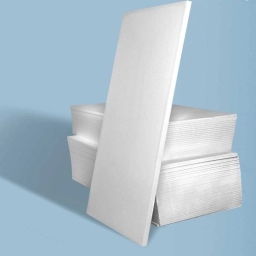
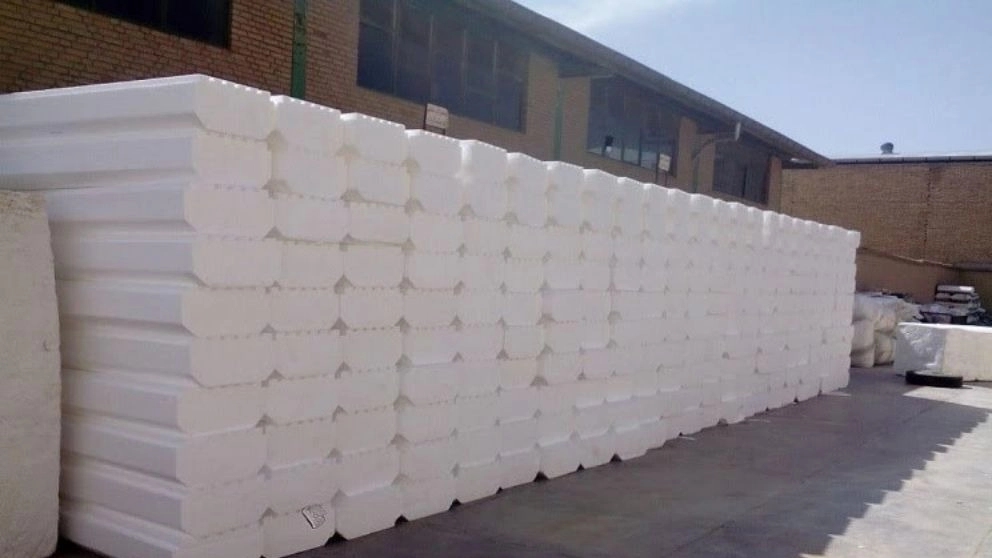
As it was said, roof unoliths are a type of unolith that have many uses. It should be said that in principle, ionolitic is an inert and neutral substance that is made from a type of plastic that is obtained from styrene monomer. This material is known by other names such as styrofoam, plastofoam, Akassif and EPS (Expandable Polystyrene). This material has very little weight and has a porous texture. More than 90% of unolith consists of air. This substance was accidentally discovered in **** by Edward Simon. In fact, roof unolite is obtained from mother unolite blocks. After the mother unolit block is produced and stored in the three main stages of pre-expansion, stabilization and shaping, they are placed on a cutting table and turned into ceiling unolit by electric element wires or CNC machines. >
What is a building unlite?
In general, it can be said that the unoliths are divided into three main categories, which include compact unoliths, packaging unoliths, and building unoliths. Each of these monoliths can be used in different industries. As its name suggests, construction unolith refers to unoliths that are used in the construction industry. These monoliths are divided into several categories in terms of application and characteristics and are used in different parts of buildings.
Types of building unolite
As it was said, after the production of mother unolith blocks and cooling and storage, they are transformed into other types of unolith by CNC machines. Plastofoam and building unilites exist in several different categories, the most important of which include the following:
Wall unolite, which is one of the most common construction unolites and can be used in the form of decorative wall foam, wall covering unolite, etc. These unolites have all the properties, characteristics and applications of the original unolite and can be highly resistant to sound, moisture, bacteria, insects, heat, etc.
Compressed unoliths usually have a very high density compared to other unoliths (density 40) and weigh much more. These monoliths have many uses in different industries and can even be combined with other insulations and have more resistance against factors such as sound, heat, humidity, etc.
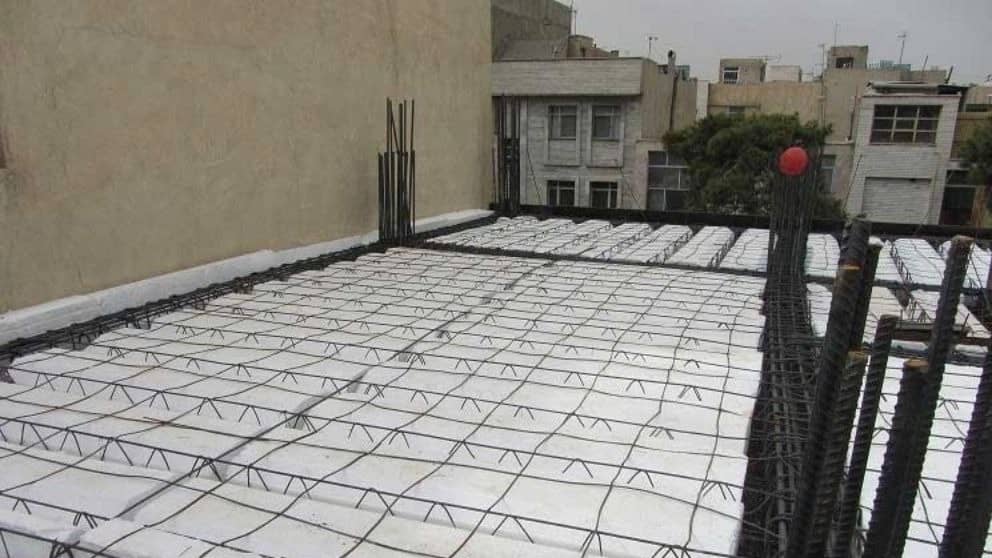
The roof monoliths are used in the form of concrete in block beam roofs and usually have a density of 12.
What are the applications of ceiling ionitis
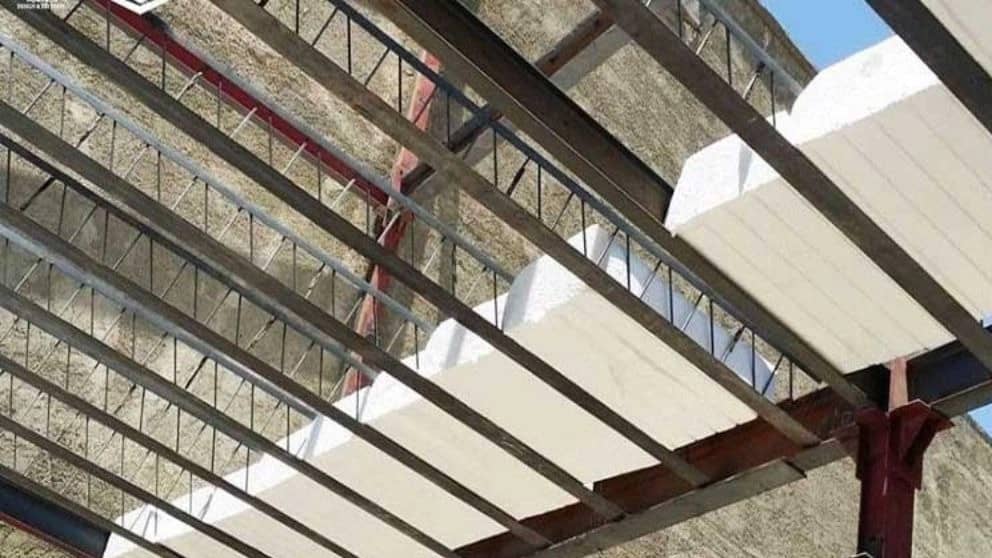
As it is clear from its name, roof monoliths are a type of monoliths that are used in the roof of buildings. These unolites can have a very high resistance to heat, humidity, noise, insects and termites, etc. In fact, the main application of ceiling foam is to use it as a permanent insulation in building construction for the formwork of concreting roofs. Also, these uniliths are used as cold insulation in cold storages
What is the reason for using ceiling unolite? The main purpose of using roof monolith is to reduce the weight of buildings and increase their resistance against earthquakes. The design and cutting of ceiling monoliths is such that it can be easily plastered without the need for materials such as rabits and saves on the consumption of various materials. In general, in addition to the construction industry, Uniolites are used in other industries and have many applications.
Size
Fortunately, ceiling and other unoliths can be used in any size and dimension they are produced and will not have any waste and waste, and its sizes can be changed and used with just a few simple cuts. Although monolith manufacturers can produce monoliths with customized sizes based on the needs and requests of customers, standard ceiling monoliths have specific sizes as follows:
Unolith, which is produced for Fandole or concrete beams, will have a length of 2 meters, a width of half a meter, and a height of 20 and 25 centimeters.
The hollowed unoliths have a length of 110 cm, a width of 50 cm and a height of 25 cm.
Unolith produced for chromite or metal beams have different lengths up to 2 meters, 65 cm wide and 20 and 25 cm high.
Unolith, which is produced as pre-tensioned ceiling foam, has a length of 2 meters, a width of 50 cm and a height of 15 cm.
Sheet
In addition to ceiling and wall unolits, unolit sheets can also be used in the construction industry. These sheets can be used as thermal insulation, sound insulation and moisture insulation, and can be used in ready-made walls or 3-D panels. In fact, the construction of 3-D panel wall using Unolit sheet can be effective both in reducing the consumption of materials, in reducing costs and in increasing the space of the building. These three-dimensional panels can also be used on the roof of buildings and act like roof monolith.
Weigh
In order to determine the weight of the ceiling monolith, a factor called density will be decisive, and the higher the density of the monoliths, the greater their weight will be. Density basically means weight per unit volume. Roofing monoliths have different weights, and the most widely used roofing monoliths have a weight of 10 to 12 kg.
The price of all types of unoliths is influenced by various factors and it is not possible to specify a specific price for them. One of the most important factors affecting the price of ceiling tiles can be various things such as brand and manufacturer, moisture absorption, fire resistance, density of tiles, used area, transportation and installation costs, raw materials. , the standard size and dimensions, the composition of waste in the foam block, the amount of heat transfer coefficient, the amount of resistance to noise, etc.