

Crafts History
The history of handicrafts goes back to the very ancient and early times of human civilization, when people turned to making and creating handmade objects to satisfy their needs and also to express their feelings and beliefs. These early works, which were made from raw materials found in nature, not only had practical uses but were also symbols of art and aesthetics.
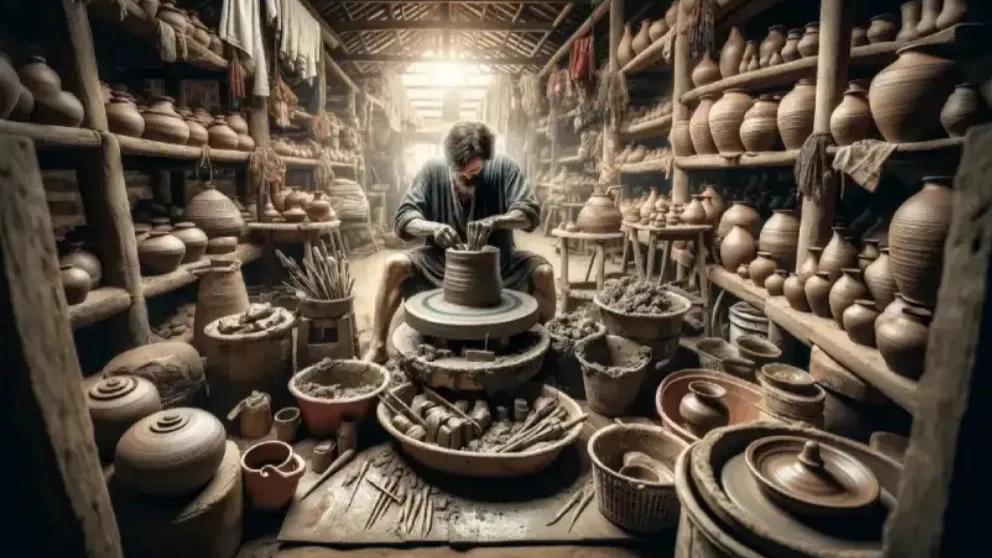
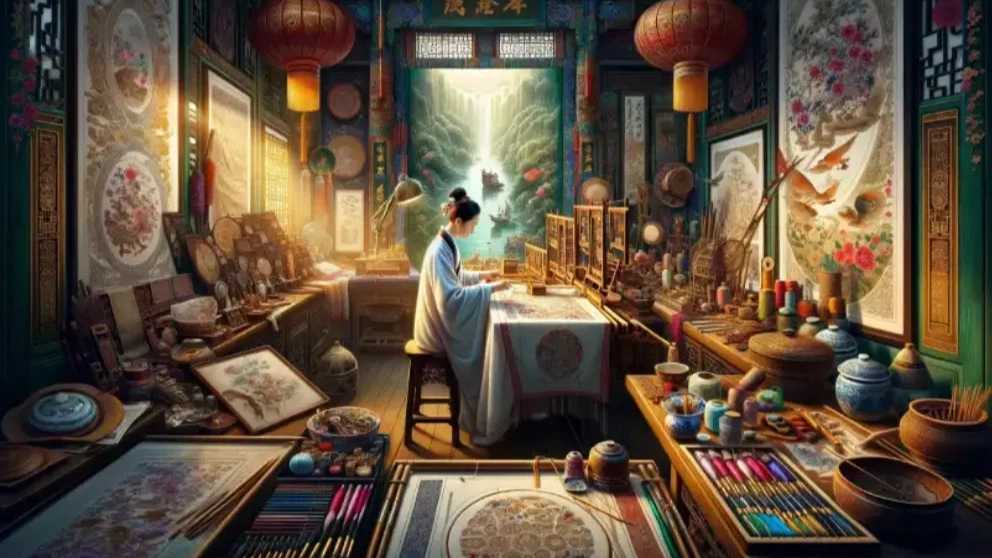
Throughout history, as civilizations progressed and cultures developed, handicrafts also evolved. found and took on new and more complex forms. In every era and culture, handicrafts have been formed and developed as a part of the cultural identity of that society. From Iranian hand-woven carpets to Chinese pottery, each of these works of art display stories and knowledge from their culture.
With the passage of time, handicrafts have emerged as an important economic and cultural industry and the role They have played an important role in promoting culture and art, creating employment and developing tourism. Today, despite the challenges caused by globalization and mass production, handicrafts are still considered as symbols of authenticity, beauty and sustainability, and many efforts are made to preserve and revive these traditional arts.
What is the importance of handicrafts?
Handicrafts are more than just beautiful and functional items, they are symbols of cultural identity, human creativity and deep connection with nature. These works of art, which are made by hand using natural raw materials, not only help preserve traditional skills and knowledge, but also resist the increasing trend of mass production and the oblivion of traditional values. Handicrafts play an important role in sustainable development by creating job opportunities in local communities and strengthening small economies. In addition, they serve as a tool to educate and promote cultural awareness, especially among young people, and enable understanding and appreciation of the diversity and cultural richness of the world.