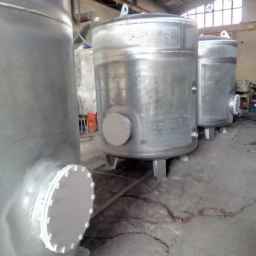

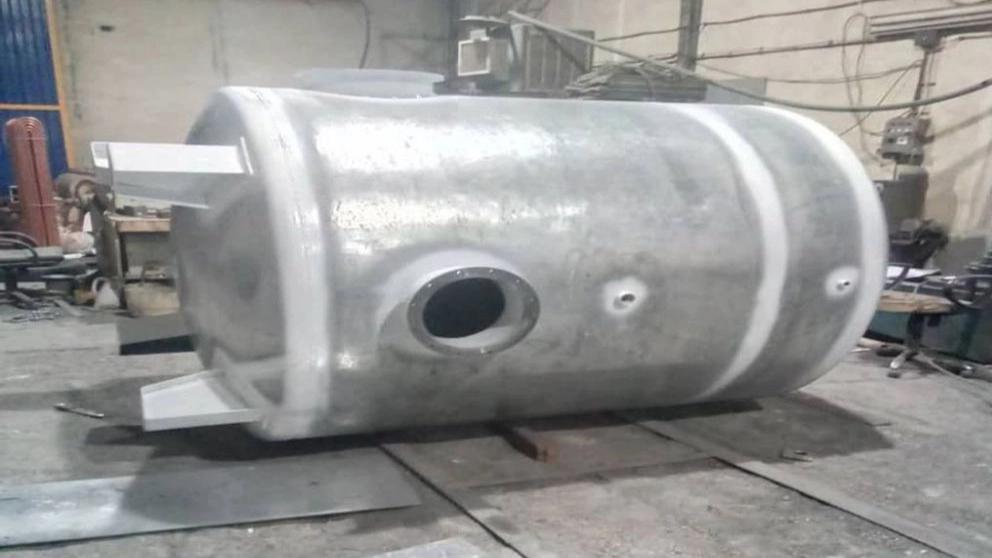
Tankers or storage tanks are essential components that are widely used in various industries for the safe and efficient storage of many materials, including liquids, gases, and solids, and are made in tanker workshops. Mainly found in sectors such as oil and gas, chemical processing, water treatment and agriculture, these reservoirs play an important role in maintaining the continuity of industrial operations. Tankers are large containers designed to hold materials under specific conditions (atmospheric pressure, under controlled temperature, or in specific chemical environments) to ensure that these materials are available in sufficient quantity and, when needed, of the required quality. are preserved
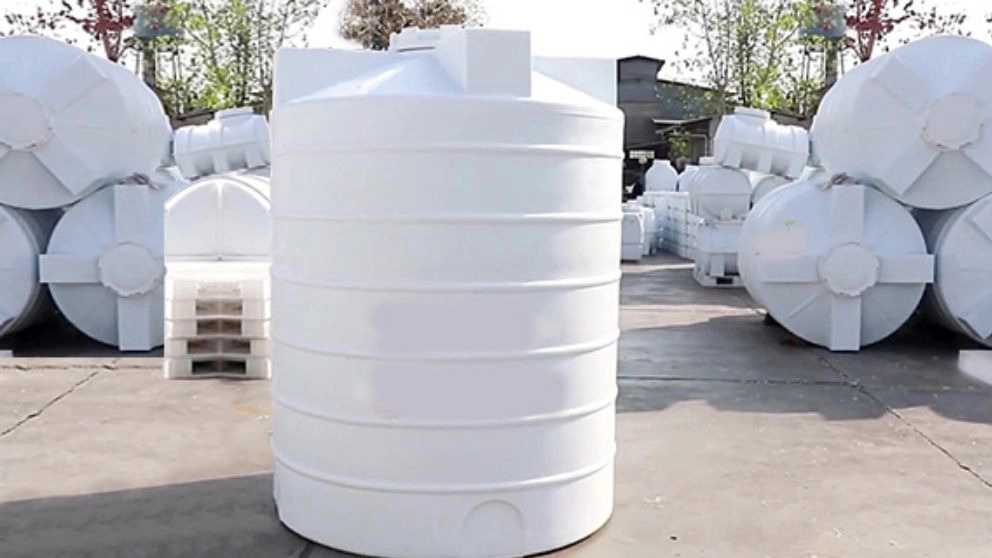
Key tasks of storage tanks
Storage and Protection: Tankers provide a way to store large volumes of materials so that they are available when needed. They also reduce losses that may occur through evaporation or spillage. These storage tanks allow for efficient inventory management and support a constant supply of materials for ongoing operations without shortages. Combinations of different liquids or gases are designed to create specific formulations. Transport: Tankers or portable storage tanks are used to transport liquids or gases over short distances. Wheeled tankers and car tankers are examples of types of tankers for transporting liquids. Safety and compliance: proper storage of hazardous materials helps to comply with safety rules and regulations and preserve the environment. he does. Tankers can protect these liquids well without causing leaks. Buffering: Tanks can act as a buffer between production and consumption rates and smooth out supply and demand fluctuations. .