
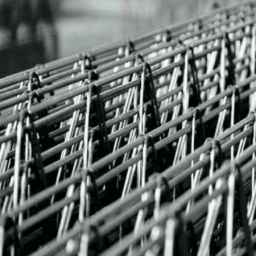

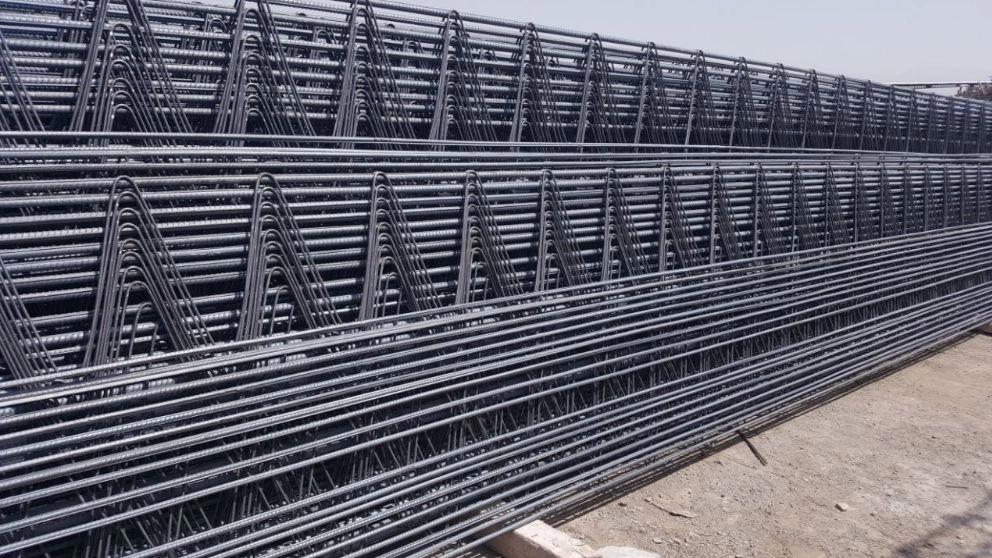
The truss beam is a prefabricated part, consisting of concrete and prefabricated steel truss network, which creates T-shaped sub-beams after the complete execution of the roof. The beams are loaded in three stages.
In the first stage, it bears the load caused by transportation. In the second stage, the load caused by the roof concreting components, which bear the dead weight of the roof (the weight of the block beam and in-situ concrete and the loads during execution between the main supports and the beam), and in the third stage, the resulting load bearing It is from the dead and live loads after curing the cover concrete and obtaining sufficient resistance, which also acts as a bending member of the roof.
These beams can be produced in the workshop or used as prefabricated or industrially produced in the factory. Truss beams consist of a concrete heel and a steel truss, and the truss part of the beam consists of lower, upper and transverse (zigzag) tensile bars. The truss is actually a triangular structure that can withstand a lot of pressure and tension due to its shape. The use of these trusses helps the standing of the beam building.
The number and grade of the lower tensile bars is minimum 8 and maximum 16, and the grade of the transverse bars that are zigzag is 5.6 or 8, which are connected by welding. . Usually, in the truss beam, the heel part is temporary and is separated from the mold after pouring concrete. This is the reason why it is included among the beams without permanent mold.
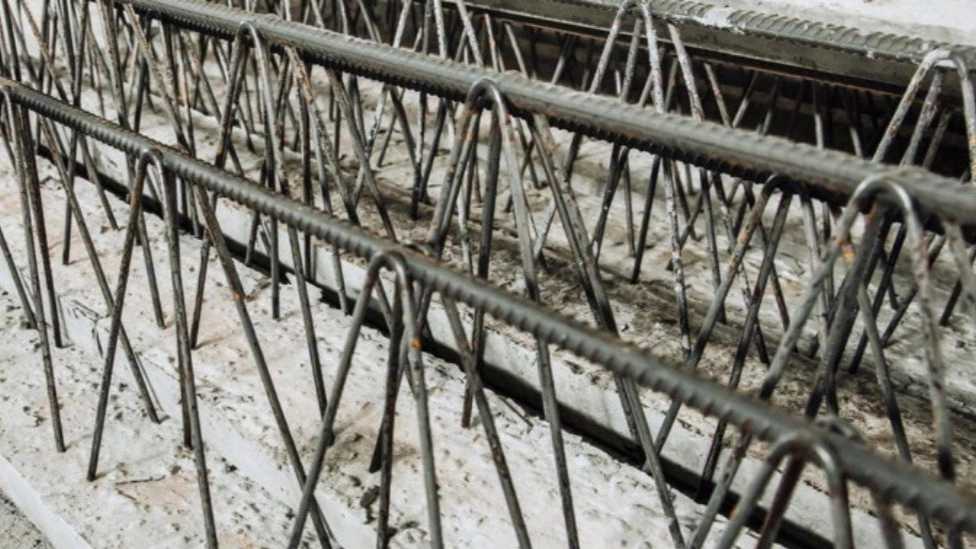
appearance features
The seating part of the blocks should be at least 15 mm and be healthy and smooth. This part is also called the concrete part.
The head of the reinforcing bar should be visible from the surface of the heel concrete.
The negative slope of the truss beam should not be more than 1 cm and its lateral complexity is also the same.
To move the beams after concreting during production operations, you have to wait 72 hours. If the methods that speed up the operation are used, you can reduce this time.