
Isolated steel tank
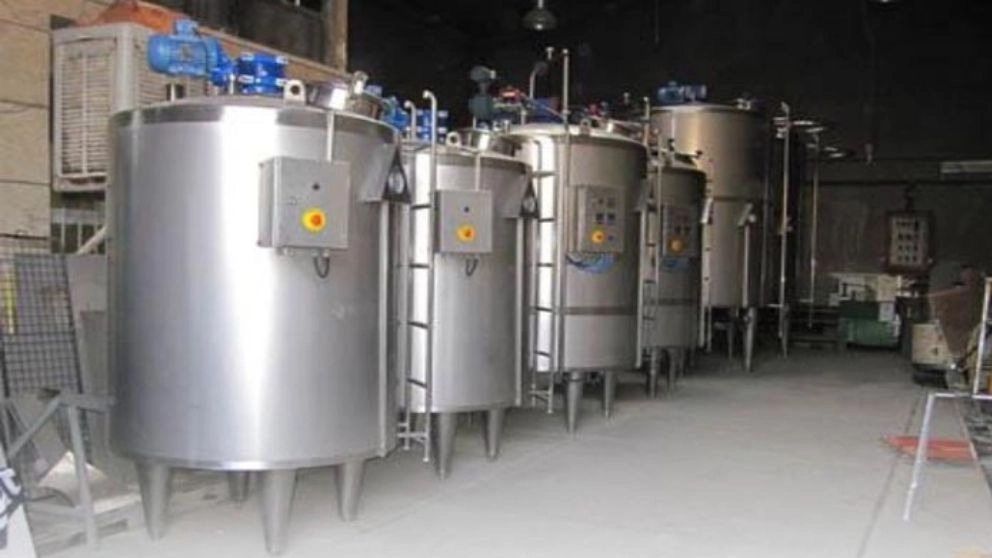
In various industries such as food, health, pharmaceutical, chemical, oil and gas industries, insulated steel tank is used whenever there is a need to keep products isolated with the aim of maintaining and maintaining temperature stability. This type of steel tank is usually double-walled and by using glass wool or stone or steam jacket, cold water and hot oil are isolated between the two walls.
Stainless steel water tank
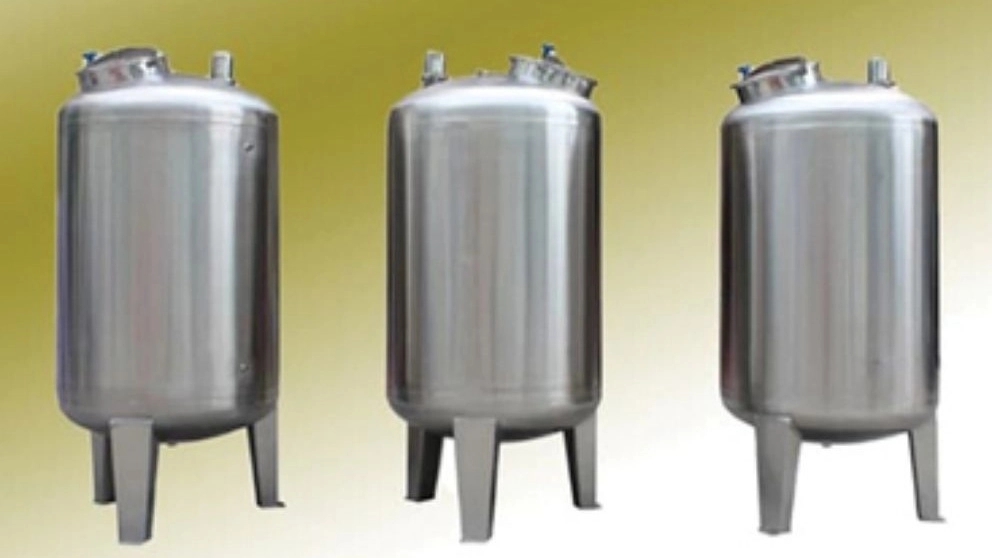
This model is also used to store drinking water and liquids similar to water. Usually, it should show high resistance to evaporation and temperature. In addition, the size used in the construction of steel tanks, being multi-walled, as well as the quality of the body and its length and height, which ultimately increase the volume, are among the most important issues that you should pay attention to when buying all types of steel tanks. The inside of the models that are used to transfer water should be antibacterial and not cause microbial growth and accumulation.
Isotank steel tank
Isotank steel tanks are mostly used to transport and send gas and various liquids, including cosmetic products, glucose, glycerin, etc. These tanks are double-walled and usually made from a combination of 304 and 316 sheets.
Tanker
You must have seen liquid tanks on all kinds of vehicles such as trucks, trucks, etc. Usually, these tanks are steel tanks that are used to transport all kinds of food, chemical and sanitary products, powders such as bulk cement and food industry flours, drinking water, edible oils, raw milk, acid and petroleum derivatives. Steel tankers are made both single-wall and double-wall. The capacity of single-walled steel tankers is between 500 liters and 25,000 liters, and the capacity of double-walled steel tankers is between 1,000 liters and 30,000 liters. The thickness and type of steel sheet required for the construction of a steel tanker is determined according to its capacity, dimensions and use.
Important points in the design of steel tanks
Usually, in these designs and construction of various types of steel tanks, various issues must be carefully examined. The first step for steel tank design is to determine the working temperature and design according to the intended use, working pressure and design, and consider a standard limit for each. Then, according to the type of fluid that is kept in these tanks, the net acidity or alkalinity of the fluid, the installation location, the appearance, and its capacity, the design of the steel tank should be done.
The design of all types of steel tanks has its own standards, some of which are:
Ambient pressure from the top of IPS-E-ME-100-92 steel tanks
Large tanks with low working pressure IPS-E-ME-110-92
Fuel storage tank IPS-E-ME-120-92
High pressure tanks (LPG) IPS-E-ME-130-92
You should also note that the design of steel tanks requires the use of several types of expertise. For example, to choose the best material, metallurgy and materials engineering should be used, and solid mechanical engineering expertise should be used to calculate the thickness of the tank.
Acquaintance with the process of building a steel tank
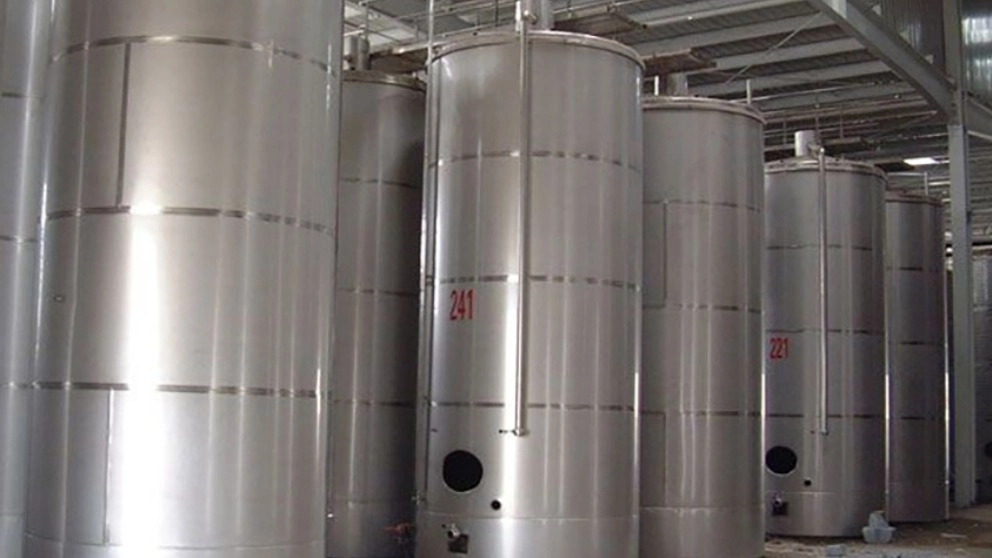
Steel tank production and construction is a highly specialized process that requires precision, expert personnel, and industrial tools and devices. To make a steel tank, the first step is its design. At this stage, engineers determine the characteristics of the steel tank, such as the material of the steel sheet, the thickness of the sheet, the type of welding, the size of the connections, the thickness of the lenses, according to the customer's needs, following the steel tank design standards and using engineering calculations and special software. After determining the specifications of the steel sheet required to produce the steel tank, it enters the rolling machine. After rolling and making the body and other parts of the tank, the stage of assembly and welding of steel tank parts is done.
Steel tank parts are usually connected by welding. The welding method and type of welding are determined according to the characteristics expected from the tank in the design phase. The welding process must be done by human power. Because this operation is very important, skilled welders should be used in this section. Argon welding is usually used for non-pressurized storage or process steel tanks using a TIG machine. Considering the use of steel in industries sensitive to health issues, this welding is the most appropriate option, because the argon pool must be isolated during welding.
Also, welding in this way is done without voids. After the welding is done, the welds are polished by advanced machines so that the tank has a beautiful appearance, and if there is a defect in the welding, it is seen and corrected. According to the application determined for the steel tank, welding may be done on a microscopic scale, this method is called glazing. This case is mostly used for food or pharmaceutical industries. After the polishing stage, in order to ensure the quality of the steel tank, hydrostatic test, pressure test, welding test and the type of steel used in the construction of the body or other tests required by the employer are performed.
Testing on the tank requires spending time, money and providing expensive advanced devices. Obviously, as the number of specialized tests performed on the tank increases, the final price of the steel tank becomes more expensive. As described, due to the long process of steel tank production and the need for precise welding, the production of a small steel tank is usually not cost-effective.