

Importance of shoe
Footwear not only fulfills the need to protect the feet, but is recognized as an important part of the culture and art of any society. Throughout history, shoes have represented people's social status, profession, and even cultural identity. Also, in many societies, shoemaking has been passed down as a family tradition from generation to generation and includes knowledge and techniques that have evolved over many years.
Challenges and the future of shoemaking
Despite new technologies and mass production, hand-made shoemaking still has a special place, especially in luxury and niche markets where there is a demand for high-quality and customized shoes. However, it is challenging to maintain this industry and its related skills against the competition of mass production. Promoting and supporting manual shoemakers, training the new generation of shoemakers and integrating sustainable innovations in shoe production can help preserve this traditional and valuable art.

Shoe technical aspects
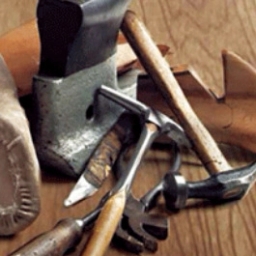
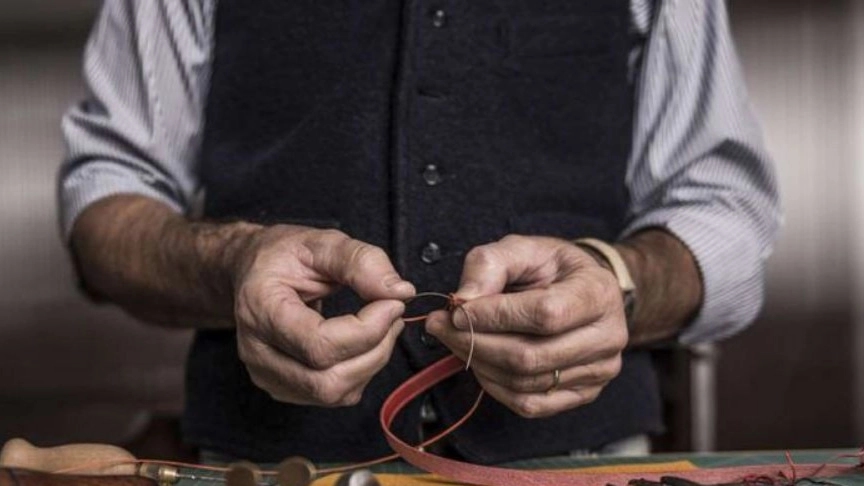
Shoemaking requires a set of special skills and techniques, starting from the selection of raw materials and continuing to the final stage of shoe making. This process includes leather cutting, stitching, assembly and finishing. Hand cobblers usually use traditional techniques that require a lot of precision and patience. Among these techniques, we can mention Goodyear welt, Blake stitch and other sewing methods, each of which has its own characteristics and advantages.
Shoemakers in different cultures
Each culture has developed a specific type of shoes according to its climate, available resources, and traditions. For example, in Arab countries, shoes with long, curved toes (such as shopping shoes) are very popular, rooted in their history and culture. In cold regions such as Scandinavia, heavy and thick shoes are designed for greater protection against the cold.

One of the biggest challenges in shoemaking today is maintaining traditional skills while dealing with mass production and price competition. In addition, attention to environmental issues and the use of sustainable and ethical materials in shoe production is of great importance. Many artisan shoemakers and industrial manufacturers are exploring new materials such as plant-based and recycled leathers and are looking for innovative ways to reduce the environmental impact of the shoe industry.
Finally, shoemaking as an art and craft continues to It is evolving and with new challenges, it creates innovative opportunities for designers and manufacturers to market high quality, beautiful and sustainable products.
The footwear industry is one of the most important and dynamic sectors of the world's manufacturing industries. which includes design, development, production and marketing of all kinds of shoes. This industry is economically important and plays an important role in the economy of many countries. The footwear industry is developing and growing by relying on new technologies, design innovations and paying attention to sustainability and ethical issues.