
2) Photography in different weather conditions and different times of the day
People often look for dramatic lighting conditions, such as dusk, when shadows are long and colors are bright, to photograph architectural wonders. Although this often leads to the formation of unique photos, it depicts the space of the building only in a certain period of time. Taking several photos at different times of the day or even in different weather conditions can depict a more complete story of the building's relationship with its surroundings.
2) Priority for good lighting conditions
Regardless of the shooting time, good lighting conditions are always a priority. Great architectural lighting emphasizes a space, a structure or a special atmosphere and therefore always plays a significant role in shaping the audience's understanding of what is important in a good architectural project. And this is one of the remarkable points of architectural photography.
2) Search for an excellent angle of photography
Changing perspective is not only fun, but it can also bring many benefits. Taking the time to find a different angle for photography that can show the shape of an abstract form or a less seen detail of a building can create a level of beauty and admiration.
2) Lack of fear of people in the picture (there is no architecture without them)
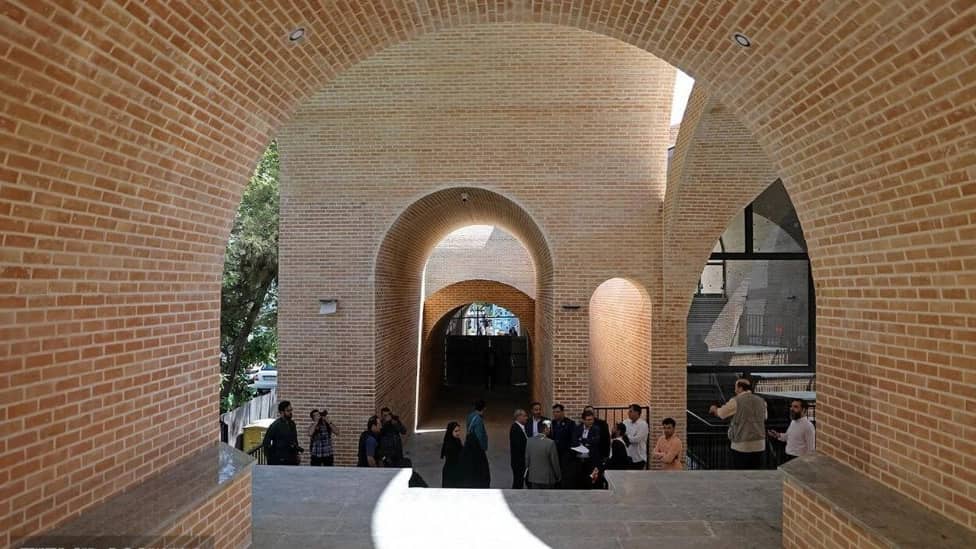
The past trend has been in such a way that people are not seen in architectural photography, as if their presence somehow caused the cleanliness and beauty of that building to be polluted. Fortunately, many famous architectural photographers have put an end to this trend. Architecture doesn't exist without us and it won't exist, so a good architecture photographer won't be upset by the presence of people in the photo.
2) Check the details as much as the total amount
2) Failure to capture a photo of the building in the form of an object
Imagine being shocked to see a building, because you have only seen a photo of it from a good angle. Architectural photography in such a way that a building acquires the nature of an object, that is, makes a person visualize it in his mind from only one point of view, is one of the big mistakes of architectural photography. A good professional photographer knows that it is not easy to record the spatial distribution of the building, but it is not impossible either.
2) Using the post -processing tool
Image processing is a fairly standard part of photography that allows the photographer to edit their photos in a way to match the space they are trying to portray. Although the images should be done only with a full understanding of the changes that are acceptable, using software such as Photoshop or Lightroom can simplify the process due to their advanced capabilities. Things like correction of lenses.
2) Having appropriate photography equipment
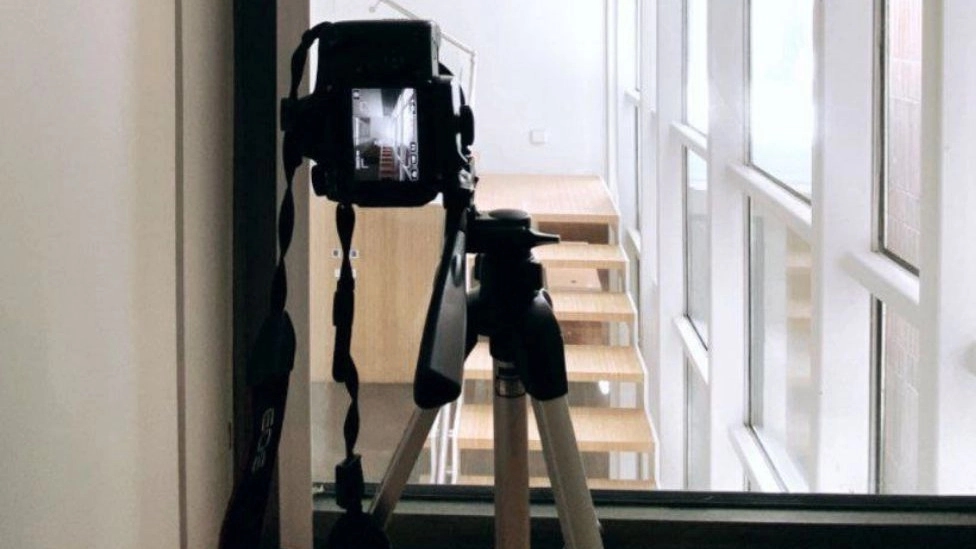
A good architectural photographer, because he seeks to capture high-quality photos, also uses high-quality and up-to-date equipment so that the work result is much better. The use of open lenses is one of the most common principles of photographing buildings and interior spaces, and architectural photographers use tripods to take better pictures in low light conditions. A good photographer also uses polarizing filters to increase the contrast level and make the images clearer.
1) Multiple visit to the desired location
The architectural photographer visits that place many times to get to know the new layers of that architectural building. Seeing a great photo of a newly built building is undoubtedly a beautiful and fascinating experience, but a professional architectural photographer will visit that place many times after capturing that unique first image, because sometimes the aspect The really interesting features of a building are revealed only with the passage of time.
2) Research on the structure before
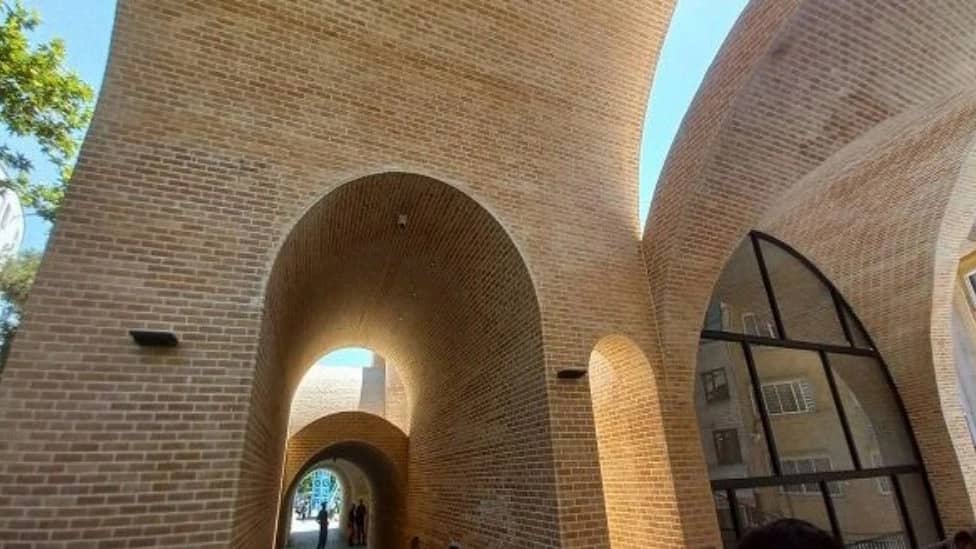
Studying about the history and cause of an architectural building before visiting is a mandatory condition that undoubtedly helps the photographer to develop his photo based on a story or an idea that depicts the existence and nature of that building.