


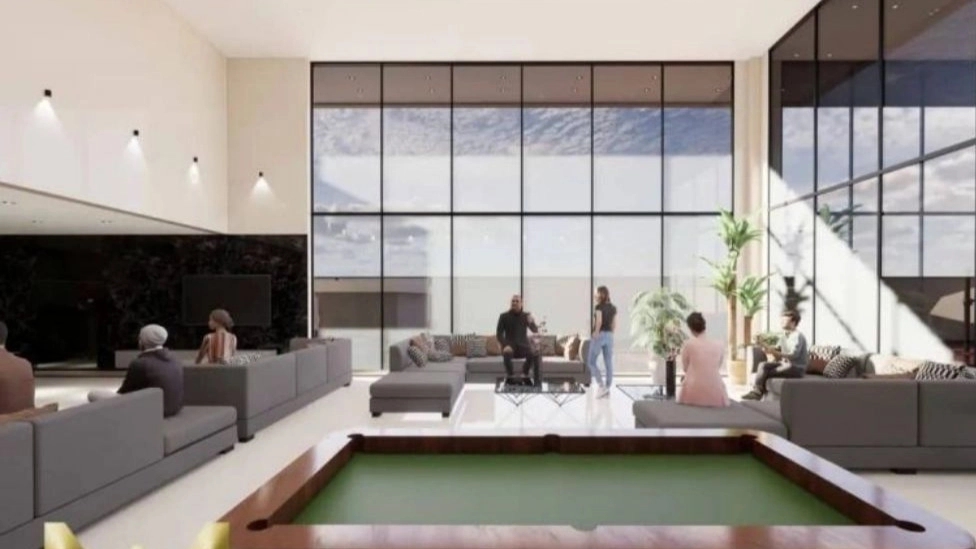
Complete Guide to Operating Life Spaces
1. Analysis of needs and requirements: In this step, the needs and requirements of customers are carefully examined. This includes spatial analysis, functional needs, tastes and financial budget of the customer.
2. Initial design: According to the needs and requirements of the customers, the initial design is done. This includes choosing a style, arranging spaces, determining materials and colors, and determining lighting patterns.
3. Technical study: In this step, the technical details related to the building are reviewed. This includes electrical systems, placements, air conditioning and other technical aspects.
4. Detailed interior design: According to the information collected in the previous steps, the interior design is done in detail. This includes the selection of furniture, fabrics, flooring and other details.
5. Evaluation and correction: internal designs are evaluated and corrections and improvements are possible. This process continues until an acceptable result is reached.
6. Monitoring and implementation: In this stage, internal designs are implemented. Continuous monitoring of the construction and implementation process is of great importance to ensure compliance with the desired plans and standards.
7. Delivery and operation: After the completion of the construction, the interior spaces are delivered to the customer. At this stage, the weak points and those that need to be corrected are identified and corrected.
By implementing the above steps, a suitable and quality interior design can be done, which will create beautiful and efficient spaces for residents and users. became.
2. Initial design: According to the needs and requirements of the customers, the initial design is done. This includes choosing a style, arranging spaces, determining materials and colors, and determining lighting patterns.
3. Technical study: In this step, the technical details related to the building are reviewed. This includes electrical systems, placements, air conditioning and other technical aspects.
4. Detailed interior design: According to the information collected in the previous steps, the interior design is done in detail. This includes the selection of furniture, fabrics, flooring and other details.
5. Evaluation and correction: internal designs are evaluated and corrections and improvements are possible. This process continues until an acceptable result is reached.
6. Monitoring and implementation: In this stage, internal designs are implemented. Continuous monitoring of the construction and implementation process is of great importance to ensure compliance with the desired plans and standards.
7. Delivery and operation: After the completion of the construction, the interior spaces are delivered to the customer. At this stage, the weak points and those that need to be corrected are identified and corrected.
By implementing the above steps, a suitable and quality interior design can be done, which will create beautiful and efficient spaces for residents and users. became.