
Behzi

Plastic injection mold structure

Reading Time 1 Minutes

Plastic injection mold structure

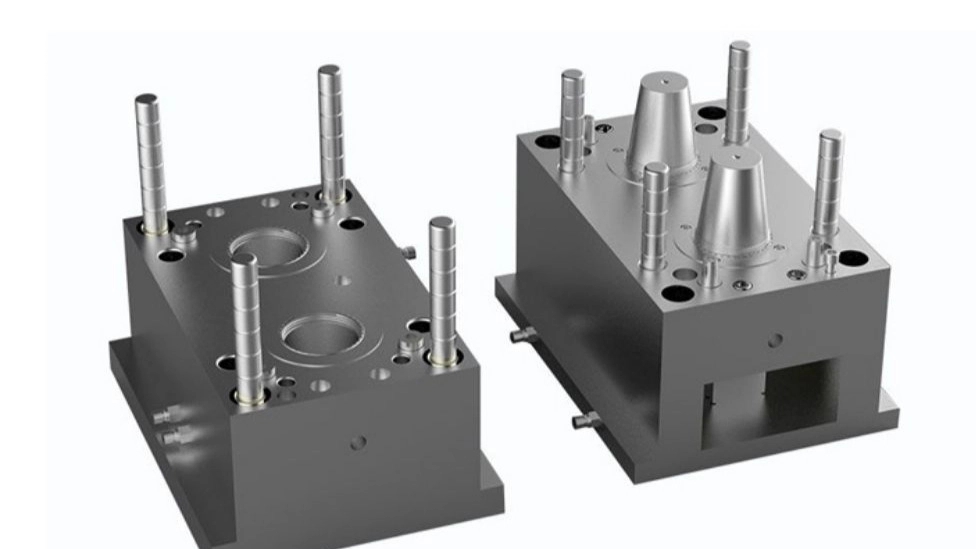
In general, the structure of the plastic injection mold is as follows:

Mold compartment: Includes the mold cavity (the core part of the mold that gives the external shape of the part) and the muscle (part The thickness of the mold that creates the internal shape of the part). It is called the muscle plate. When the mold is closed, the two mentioned plates are mounted on each other and the space between them creates the mold chamber.

The half of the mold that is connected to the fixed part of the injection machine is the fixed half of the mold and the second half that is connected to the moving part of the injection machine. It is connected to the moving half. The injection mold may be single-hole or multi-hole.

Method of installation and embedded muscle and cavity:

Integral method: In this method, the cavity and muscle along with their backing plates are machined as one piece and integrated
Insert method: In this method The cavity and the muscle are machined separately and then mounted on the plates.

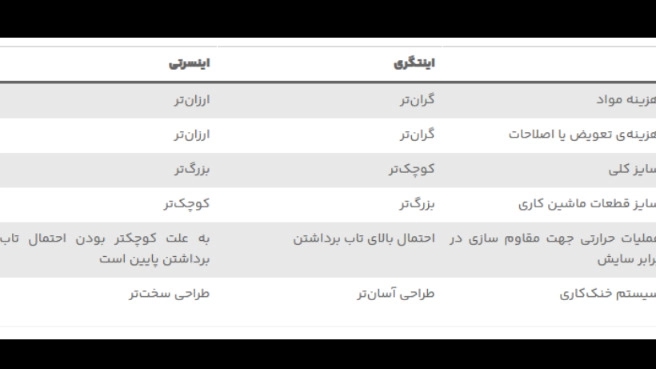
Advantages and Disadvantages of Integrated Molds and Inserts:

ساختار قالب تزریق پلاستیک

Preservative

< div class="elementor-widget-wrap elementor-element-populated">

They are one of the components of insert templates that are used to keep the inserts in place. are used Types of retaining pages:

  • integral
  • multiple pieces (including page and several The bit that wraps around the insert, the width to thickness ratio of the steel bit should be 3:2 inches. For example, if the insert is 2 inches, the width of the bite should be 3 inches). closed)
  • Simple retaining plate (the most common type)

A steel block called a bridge is placed between the two inserts, which allows it to be machined instead of Two placeholders on the template page, let's use one big placeholder. The bridge also eliminates the slack between the two inserts and the possibility of melt penetration between them.

< /p>

Plastic moltening system

One of the other things that should be considered in the design and manufacture of plastic injection molds is the melt feeding system. The passage of the melt in the mold consists of three components: sprue, channel and injection valve. After leaving the nozzle of the machine and passing through the sprue bush, the molten material enters the main channel. After passing through the main channel, the materials enter the secondary channel and enter the mold chamber through the injection valve.

As a result, the injection bush is the interface between the machine nozzle and the mold chamber. During injection, the plastic material in the form of paste is removed from the nozzle of the machine and enters the mold chamber through a path. The simplest type of this path is a conical hole inside a bush. The materials in this path are called sprue and the bush is called injection bush. The inner hole of the injection bush must be inclined between 2 and 4 degrees so that it is easy to get the frozen material out of it.

The channel is a channel that is machined in the mold plate and delivers the molten material out of the injection bush to the mold chamber. The size of the channel depends on factors such as the type of injection plastic, the cross section of the channel, the volume of the workpiece and the distance between the mold chambers and the main channel and the injection bush. The arrangement of channels also depends on the number of holes in the mold, the shape of the part, the type of mold (double-sided, multi-sided) and the type of injection valve. The balance of the channel system means that the distance that the molten material travels from the injection bush to each cavity of the mold must be equal.

The injection valve is a small opening or channel that connects the channel to the mold chamber. Preferably, the location of the valve should be such that the melt advances uniformly and in one direction and fills the end points of the chamber at the same time. It should be noted that the applied force is somewhat high, so if it is not placed in the right place, it may change the shape of the muscle wall. So it is necessary to pay attention to the uniformity of melt flow and pressure distribution.

Priya Ramzanzadeh

Post Author

1267

common:article

View Page

  • Method of installation and embedded muscle and cavity:

  • Advantages and Disadvantages of Integrated Molds and Inserts:

  • Preservative

  • Plastic moltening system