
Regulations and Standards of Plumbing of Home and Commercial Gas
For gas supply to public and special buildings, there are rules and regulations that must be followed. The designer is obliged to ensure the maximum safety of the building users against the dangers caused by natural gas, as well as the safety of the building's gas piping system against possible injuries. These regulations include the following:
Preventing gassing due to incomplete combustion of gas-burning devices or infiltration of toxic gases resulting from combustion through cracks in cement chimneys, cracks and holes in metal chimneys into the space used by people, especially when sleeping.
Reducing the number of gas appliances in the interior to a minimum.
Separating the gas piping system into multiple parts so that in abnormal conditions, each part can be taken out of the circuit separately.
The design or installation of the gas piping system, chimneys and gas-burning devices should be such that they are safe from being hit or damaged in the event of an accident or an influx of people to escape.
Provision of adequate ventilation and complete transfer of products from the combustion of gas-burning appliances to the outside of the building.
Installation of signs specifying the location of quick shut-off valves and other emergency points in the piping system.
Building Plumbing Design by Standard of Home and Commercial Gas Plumbing
Plumbing of commercial centers or residential buildings must definitely have have their own rules and regulations and be installed on engineering principles so that they do not face challenges and problems during use.
Select the gas plumbing path
To choose the path of the gas piping, you must make sure that the pipe passes through the safest and shortest path. Common parts of gas piping of residential units, such as risers, should not pass through private property. Finally, the path of the gas pipe should be chosen in such a way that it does not damage the main structure.
Plumbing system maps
To prepare gas piping system drawings, you must have the following documents:
The map of gas piping in the plan of the area and the floors where the gas pipe is laid
Location of chimneys with its specifications
Isometric map with length and diameter of pipes
The infrastructure or useful space of the building in square meters and the amount of gas consumption of each of the gas appliances that are connected to this piping system or will be connected in the future.
A sketch of the location of the requested property, which must be drawn under the request sheet, indicating the address and determining the position relative to the main roads
The choice of gas pipe diameter
The diameter of the gas pipes should be the size that can provide enough gas for the maximum consumption of the relevant gas-burning device or devices, without causing a pressure drop greater than 12.7 mm column between the regulator and gas-burning appliances.
The most virtual nominal diameter
The maximum permissible nominal diameter of gas piping with a pressure of 176 mm of water column is 100 mm or 4 inches.
Information needed to calculate the diameter of the gas pipe
The maximum allowable pressure drop between the regulator and gas appliances
Piping length
Gas density
The maximum amount of gas consumed in the plan
Determine the longest route
The longest path should be measured from the outlet point of the regulator to the farthest point of gas consumption in the building.
Requirements to install the components of the plumbing system
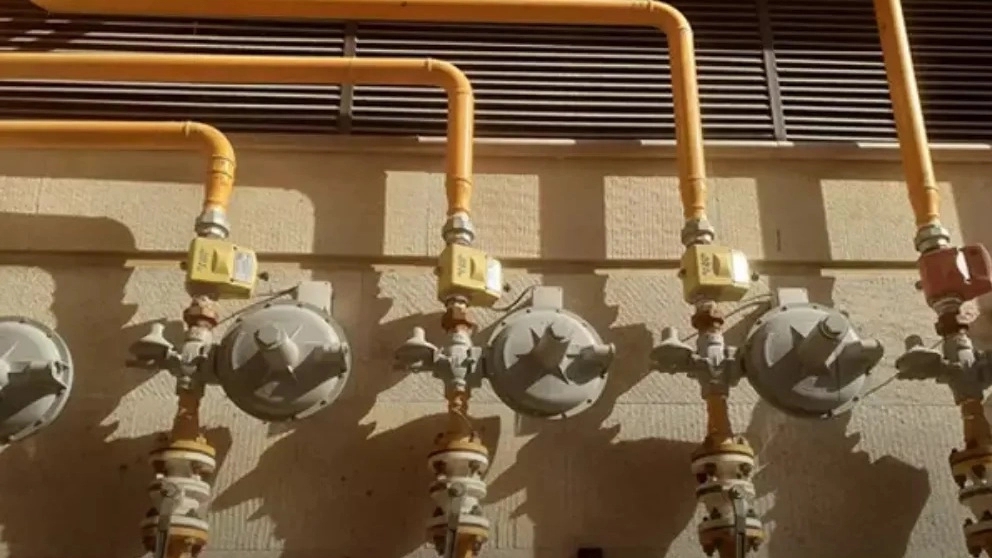
In gas piping, in addition to the domestic and commercial gas piping standard, the installation requirements of piping system components are also necessary.
1. The plumbing of the interface (plumbing between the regulator and the meter)
The beginning of the connector piping must be located at the closest point to the end of the alamek.
The proper distance should be inquired from the district gas company.
The interface piping should have the shortest path and run on the job. It should also be visible.
The route of the connecting piping outside the property in question should not be in a place that is subject to damage.
At the beginning of the connection pipe of branches that feed more than one applicant, the installation of a locking valve is necessary for each subscriber.
2. Collector
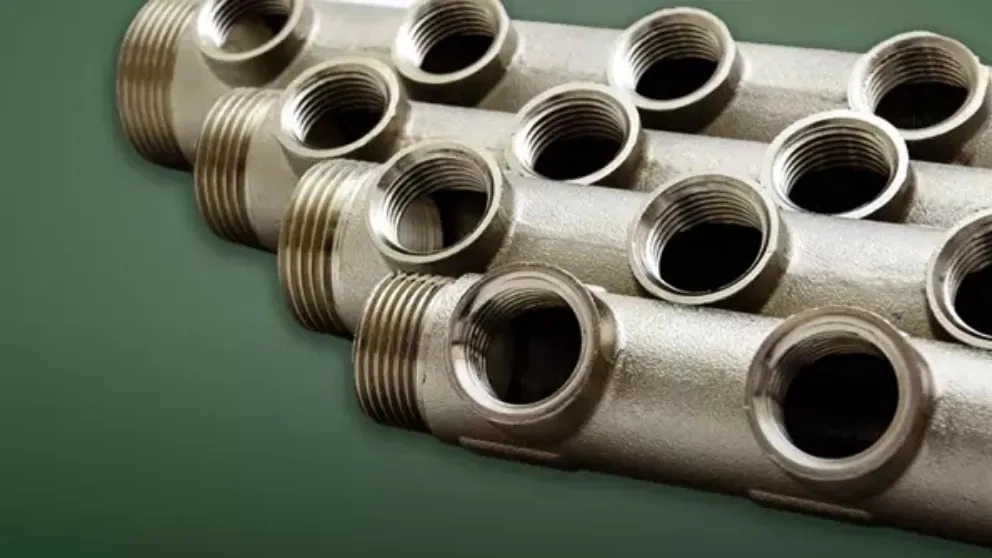
The collector must be made using standard connections. It is forbidden to take the branches directly without using the standard connections of the collector pipe. The diameter of the collector should not be smaller than the diameter of the main pipe.
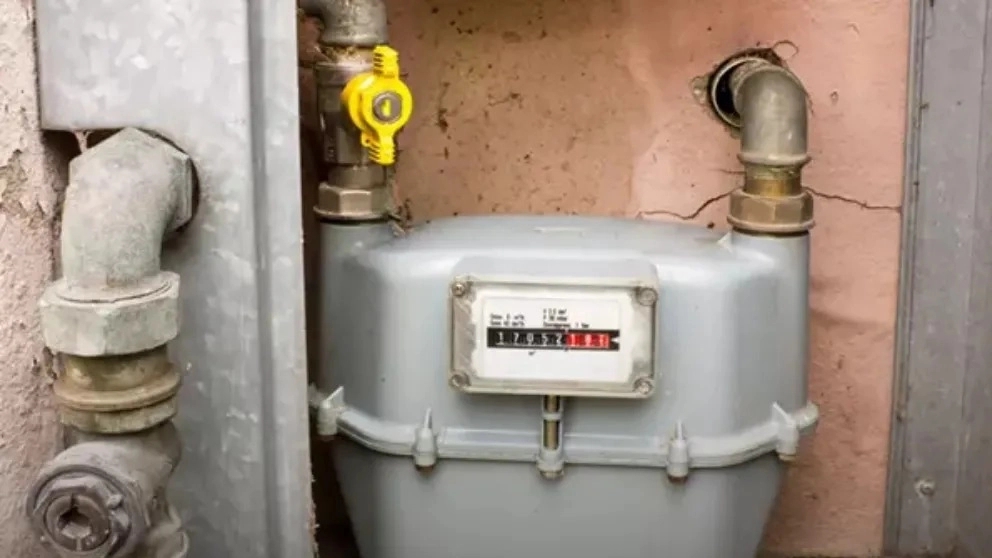
3. The meter in the standard of home and commercial gas pipeline
The meter should be located inside the common property and the closest place to the entrance door of the residential unit or the main door of the building.
The meter should be installed where the air flow is located. If there is constant air flow, the meter can be installed in the lobby.
On the branches taken from the collector, the meter must be installed at the closest distance to the collector and in one place in the form of a complex. So that it is easy to read the meters.
The meter must be installed in such a way that it is safe from physical damage.
The meter should not be installed in places where there is a possibility of fire or its escalation.
The meter should be installed in a place that can be easily repaired.
The distance of the meter from the electric wires installed on the work should be at least 10 cm, and 50 cm from the electric meter.
The distance of the meter from sources of ignition such as furnace or water heater should be at least one meter.
The height of the meter substitute pipe to the floor should be 180 cm.
4. Milk
Valves used in gas piping should be quarter-round ball valves.
The diameter of the secondary valves must be the same as the diameter of the gas inlet pipe of each building.
If a property has several separate buildings; There should be an independent shut-off valve for each building other than the main shut-off valve.
The main tap should be installed immediately after the meter and at a height of 180 cm from the floor.
5. Subfooters
Residential unit valve: In a building that has more than one residential unit, it should be on the branch pipe of each unit that branches off from the main pipes, in a suitable place or height that is not subject to damage but accessible to residents, to disconnect Install gas flow quickly and completely.
Sub-valve of riser branches: must be installed at the beginning of branches that have more than one consumer.
Gas appliance consumption valve: At the end of the piping branch for each gas appliance, a consumption valve must be installed.