
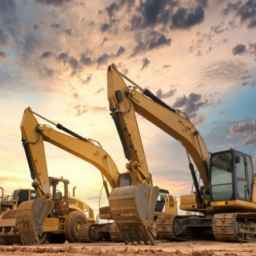

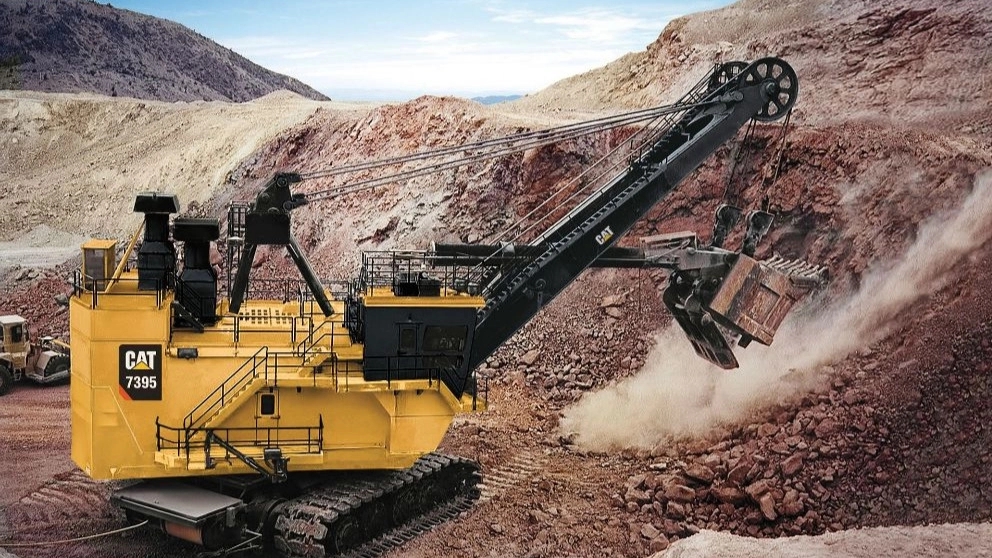
Excavators are earthmoving vehicles that are easily identified by their boom, bucket, rotating cab and moving tracks. The biggest differentiator between different models is their size, as excavator size is often related to range of motion and lifting and digging capacity. For example, Caterpillar's smallest mini excavator weighs only 2,070 pounds and has 13 horsepower. while the largest is the Caterpillar 6090 Excavator, which weighs 2,160,501 pounds and has an engine power of 4,500 horsepower.
The type of excavator you need will vary depending on the working conditions and work requirements. Will you need to drill in the ocean? A dragline excavator or a long excavator may be your best choice. If you intend to do construction work on hilly land, then your best choice is a crawler excavator.
excavator with reversal cup
There are many names given to this shovel, such as: curved shovel, back-bend shovel, and traction shovel. These shovels are in two types, mechanical and hydraulic, and are suitable for digging.
excavator with cable system
This excavator is a rotating cabin that is mounted on wheels and the shovel is attached to the front end. This shovel is in two types, mechanical and hydraulic.
tensile shovel (Dragin)
Dragline excavator consists of a control room - crane - excavator cup and necessary cables to control different parts. The excavator is able to work at levels much higher and much lower than its support level and is used in all types of land. is placed Its long arm is useful for digging and unloading excavated materials, and the short cycle time is one of the advantages of this machine.