
Before addressing the troubleshooting of three-phase and single-phase electric motors, it is important to know the differences between these two types:
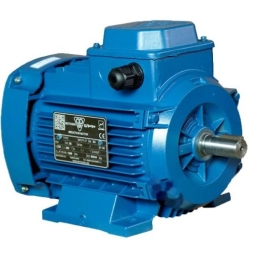
Three-phase electric motors, as power plants in industrial settings, are able to withstand heavy loads and provide are constant power. They are known for their efficiency and reliability.
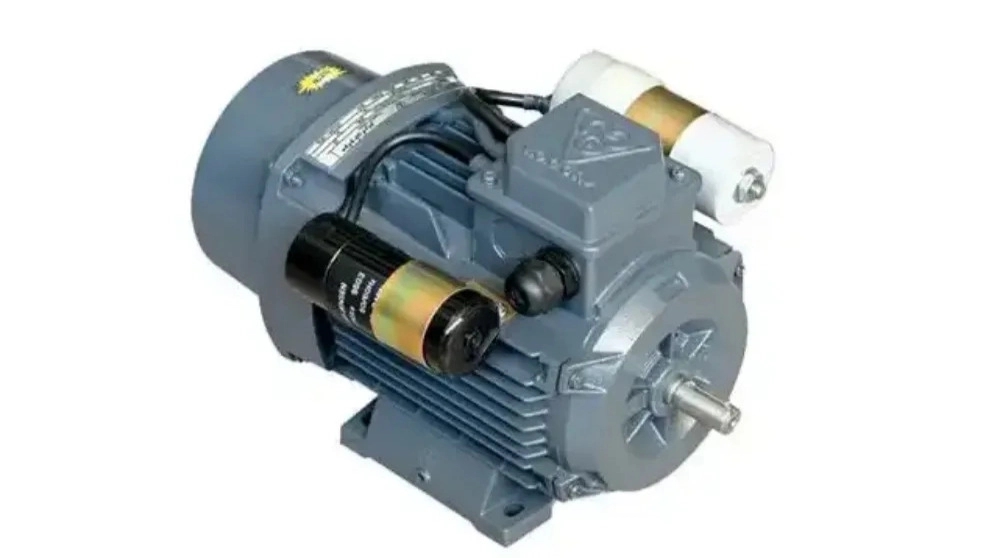
Single-phase electric motors, on the other hand, are usually found in smaller applications and household appliances. Although they may have less strength than their three-phase counterparts; But they are necessary to provide energy for daily needs.
Common defects of three -phase and single -phase electromotors
Three-phase and single-phase electric motors are both types of electric motors that are used in many applications. But each of these types of engines has its own advantages and disadvantages. In the following, I will mention some of the common defects of these two types of electric motors:
Section 1: The device does not start
This problem can be very frustrating. However, understanding its main reasons is very important for troubleshooting three-phase and single-phase electric motors.
1.1 Issues related to power supply
One of the common reasons for the electric motor not turning on is a problem with the power source. Make sure the power supply is working properly and there are no tripped circuit breakers or blown fuses. Also, voltage fluctuations can affect motor performance; Therefore, it is necessary to stabilize the power supply.
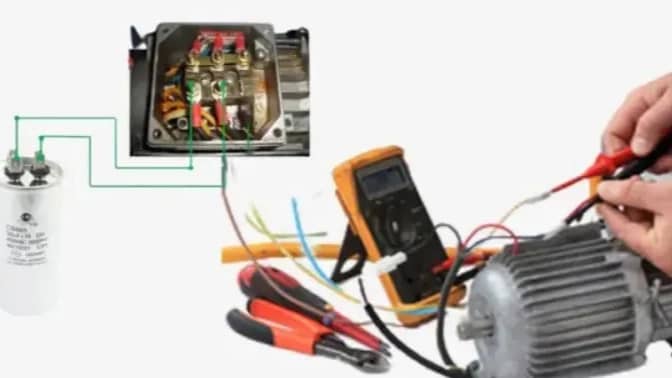
1.2 Defective capacitor
The capacitor plays a vital role in starting the rotation of the electric motor. If it is defective or worn, the engine may not start. Testing and replacing the capacitors if needed can solve this problem. 1.3 Worn start switch Another possible culprit is the wear of the start switch. This switch is activated when you start the engine. Check it for any signs of wear or damage and replace it if necessary. 1.4 Damaged wiring Check the motor wiring for each Check for damage, loose connections or frayed wires. Faulty wiring can disrupt the electrical current and prevent it from turning on. Check the damage carefully and then repair or replace it.
Section 2: Excessive heat of the engine and bearings