
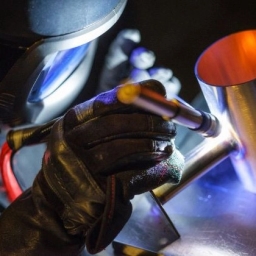

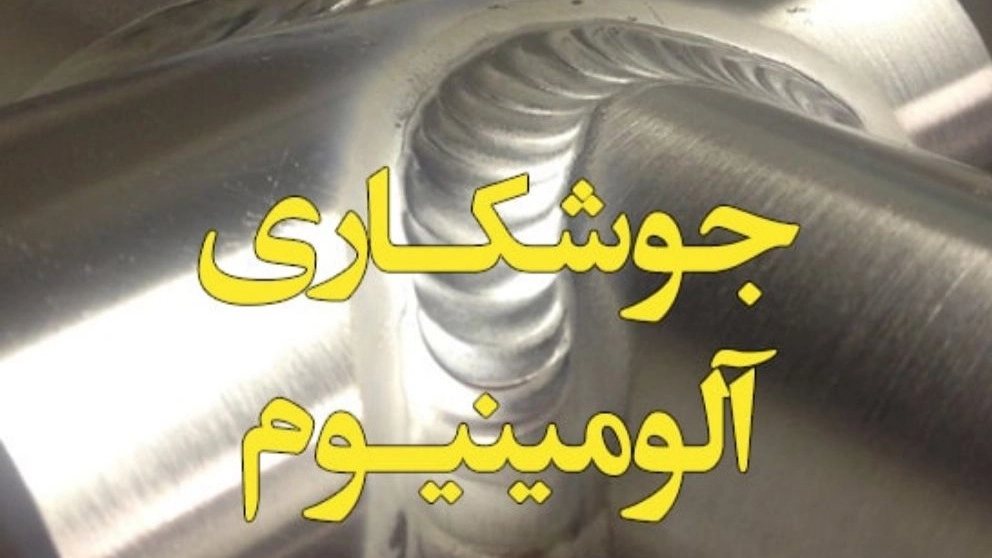
Aluminum is a soft and light metal that has a gray appearance, and due to its low weight, good resistance to corrosion and good weldability, it is very important in the industry. In addition, this aluminum is a non-magnetic element, malleable and flexible. The huge use of aluminum has caused engineers to develop aluminum joining methods, and one of these methods is aluminum welding.
Aluminum is the most widely used engineering material after steel, and aluminum alloys have a wide variety. (more than 450 types) Although aluminum alloys have unique characteristics, they have common properties such as low specific weight, high electrical conductivity, high heat transfer coefficient, and high corrosion resistance.
Aluminum application in industry
Although pure aluminum has low strength, some aluminum alloys are as strong as steel. Aluminum and its alloys are widely used in the construction of airplanes, racing cars, and speedboats. It is used in the construction of pressure vessels and the reason for this is high strength, high thermal conductivity and favorable mechanical properties at low temperature. In this article, we will examine aluminum and aluminum alloys and we will examine the issues surrounding aluminum welding and aluminum alloy welding instructions.
Aluminum welding has more challenges than steel welding, and this issue has made aluminum unable to establish its position in the industry for years. In the past, they had to use rivets to build aluminum structures, but Today, thanks to the advancement of technology, we are able to connect different parts of aluminum with aluminum welding. Common defects in aluminum welding are defects such as porosity, hot cracking, and incomplete fusion. incomplete fusion defects). Read {0 to 100 familiarization with welding defects}.
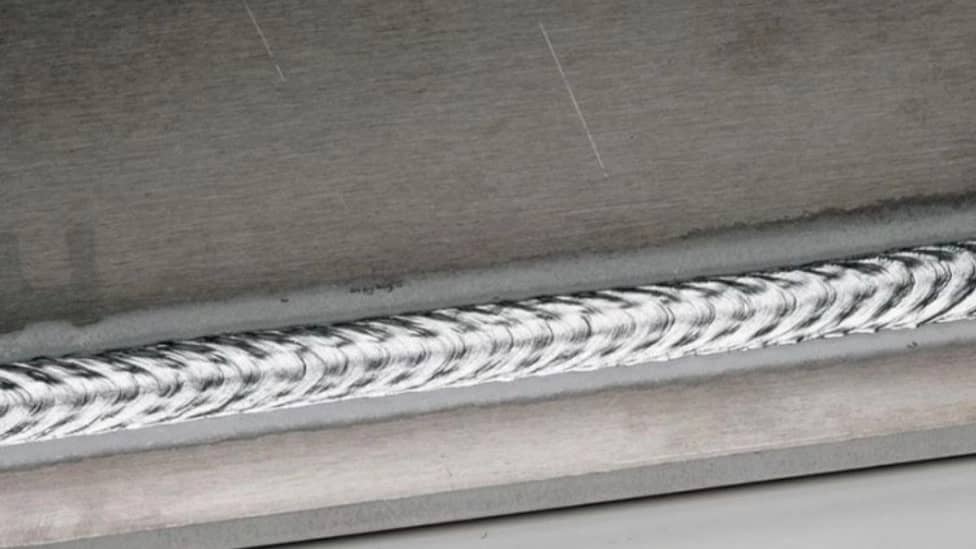
Aluminum welding challenges and its alloys
One of the challenges for aluminum welding is the presence of an aluminum oxide layer (Al2O3) on the surface, aluminum is one of the materials that has a resistant metal oxide, so the melting temperature of aluminum oxide is about **** degrees Celsius, while the melting temperature of aluminum is It is about 660 degrees Celsius. During aluminum welding, this layer must be removed, and there are 3 ways to do it. Welding methods that remove this layer, such as cleaning arc
If the layer is not removed, during welding, the oxide layer will break due to melt turbulence and will be trapped inside the melt and cause an incomplete melting defect (LOF).
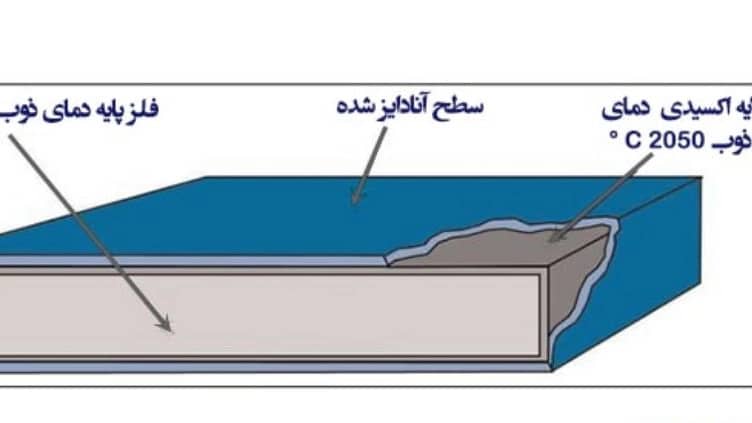
Description of anodizing: Anodizing is the process of creating a resistant oxide layer on the metal using coating, anodizing of aluminum and aluminum alloys is very common and improves their corrosion properties and makes their surface shiny. .
Developed solutions to perform aluminum welding
However, research and experience have shown that removing the oxide layer before welding is better because:
1) it reduces porosity
2) the stability of the joint It is used in arc welding methods.
3) It significantly reduces the defect of incomplete melting (LOF).
The oxide layer can also be removed by chemical method. The target is placed in a chemical solution for a certain period of time until the oxide layer dissolves, then the part is washed with water and after drying it is ready for welding. and chromic phosphoric acid is used.