


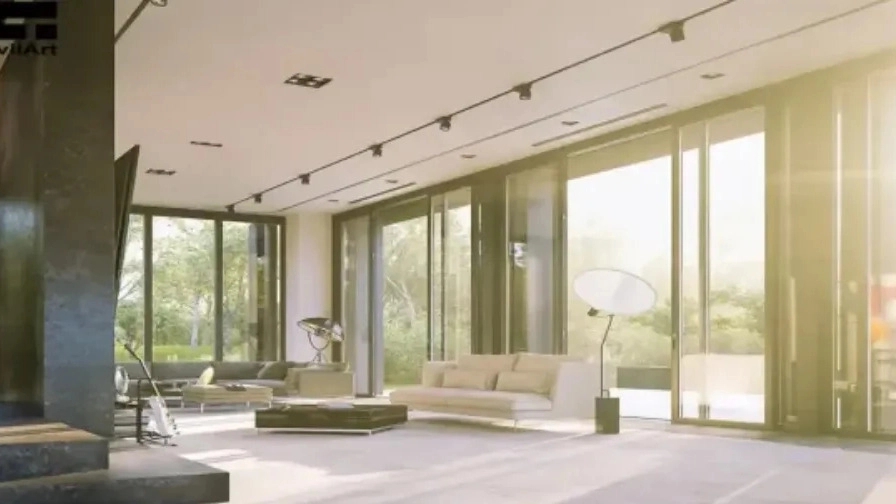
Light is the first condition for visual perception, in the past only light was used to see objects and illuminate functional spaces. But today, beautiful and creative designs of architecture only gain meaning with lighting in architecture, and lighting has a decorative aspect and is used to highlight key elements.
A beautiful decoration without lighting is not attractive and all The efforts made to do it remain fruitless.
Types of lighting in interior architecture
Light can be divided into two main categories based on the source of its production; Natural light and artificial light.
Natural light sources originate from nature and are beyond human control, which include sunlight, moonlight, starlight, various planets and animal sources, radiant lights and of course fire. Artificial light sources can be controlled by humans, whenever needed, it can be increased or decreased and adjusted to the desired level. This includes wood flames, oil flames, gas flames, electric lamps and all kinds of combustible reactions.
Lighting in interior decoration is divided into several categories as follows:
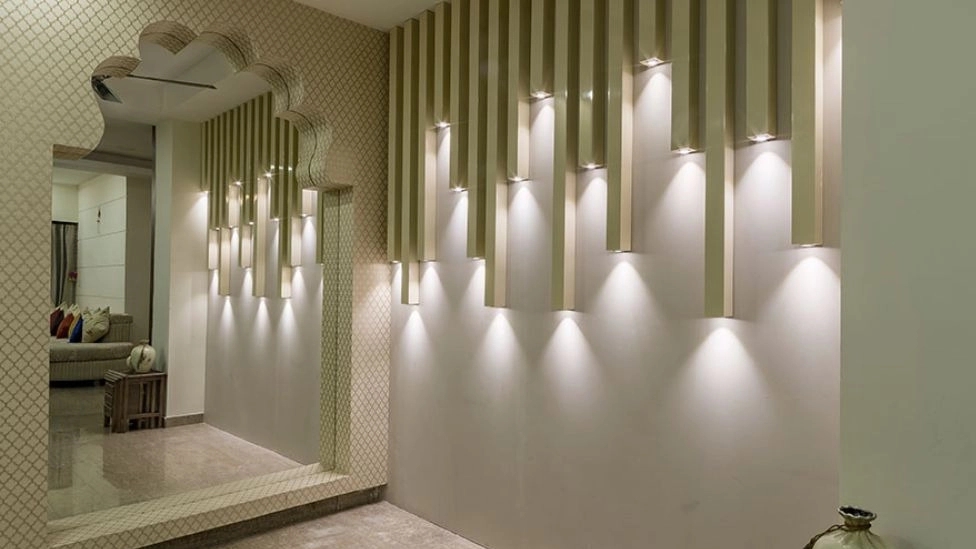
General lighting (for the general lighting of the space)
General lighting is one of the most important common types of lighting, and as its name suggests, it spreads the light uniformly in the space and the lighting It provides the necessary to perform various activities.
General or ambient lighting creates more light that allows movement within the space and provides basic visual recognition. If you use general lighting correctly, the room will look brighter, more cheerful and comfortable.
Task lighting (illuminating the work surface)
This light is smaller and more focused than general light. In fact, some people call it office lighting. Therefore, in the design of interior decoration lighting in places where special work is done, in addition to general lighting, task lighting is also needed to cover the light needed to perform a task. >
For example, in the design of factories, work rooms, makeup salons, etc. Lighting is a very important task
Accent lighting (emphasis on a certain object or part)
These lights can illuminate the parts of the house that you want to display. while the other parts are in the shade. The first purpose of local lighting is to illuminate the accessories and objects of interest, such as works of art, architectural symbols, commercial showcases and signs. Linear lighting is one of the most common forms of accent lighting. and are widely used in museums, galleries and stores.
Decorative lighting
Decorative lighting means the use of light. To create a work of art. In fact, this type of lighting is purely aesthetic and artistic and does not interfere with our visual perception. The purpose of using decorative lighting is to draw the user's attention and decorate the space. For example, a crystal chandelier is considered an important visual element, but it can only be used in some special spaces.
Hidden lights on the edge of the ceiling or light sources that are a work of art themselves include chandeliers, wall sconces, lanterns, pendants, lamps, etc. are considered to be types of this light.
Why is lighting important in interior design?
Among the reasons for the importance of light in decoration, it can be said that lighting can improve the internal condition of the building and give life to the house. You can use light and shadow to create a sense of comfort and drama in your home. In interior design, in addition to using light as an essential element for specific applications, we can use it to create focal points. And also use as a decorative element. Each of these tasks has merits in turn, and not paying attention to the principles of lighting brings disadvantages and causes damage to your interior decoration.
Light draws attention to the textures, colors and designs of the space. And it helps the architecture to achieve its real goal, whether it is daylight or artificial light. Sight is the most important sense through which we enjoy architecture, and light enhances the way we perceive architecture.