

Painting is one of the oldest and most popular arts that has been created in different forms since the past. In fact, it can be said that the cave dwellers were the first to display this art on the walls of the caves. Painting is the core of how to express human states such as hopes, dreams, fears, etc. Over time, a large number of different styles have emerged that have diversified and transformed the art of painting.
If you have entered the world of art and painting for the first time, it is better before doing anything with style. Get to know different types of painting and try to choose a style or technique to start with. In fact, artistic style explains why a work of art looks functionally different from other works. It is a window into the artist's creative process to help you understand the artist's point of view, subject matter, and emotions on the canvas.
Dofferdastak tries to introduce you to different painting styles in this article.
- Realism painting style
Realism is an art style in painting that aims to present a reflection of the real world to the viewer. The painter tries to depict the subject as it appears in real life. Realism art is without following the rules of formal art theory. Also, the artist spends a lot of time and effort creating an accurate image of shapes and objects in the environment, perspective (creating the illusion of depth), good composition, light and dark, and color.
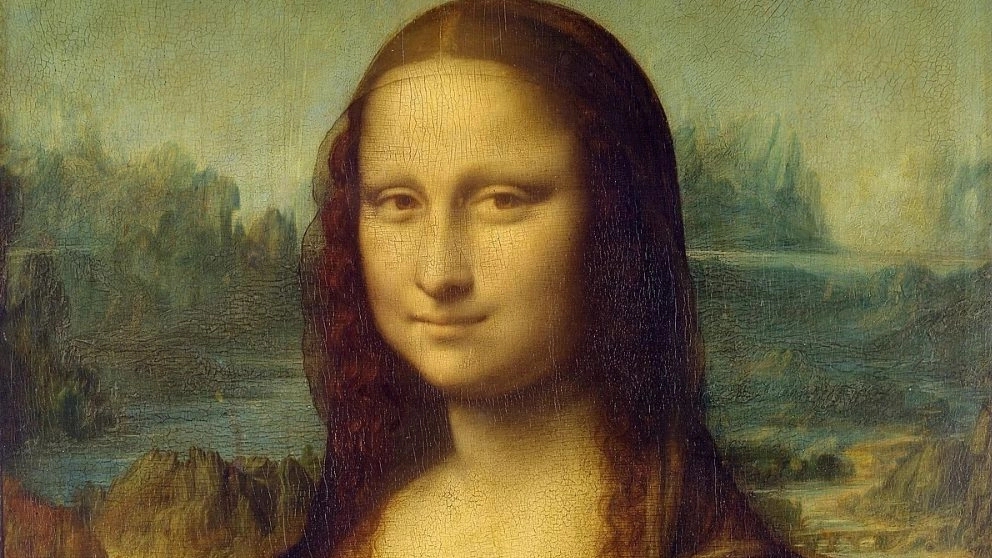
Realism is the dominant painting style from the Renaissance period. has been The artist uses perspective to create depth in space and adjusts composition and lighting to make the subject appear real. Leonardo da Vinci's "Mona Lisa" is a classic example of this style.
- Surrealism Painting Style (Surrealism)
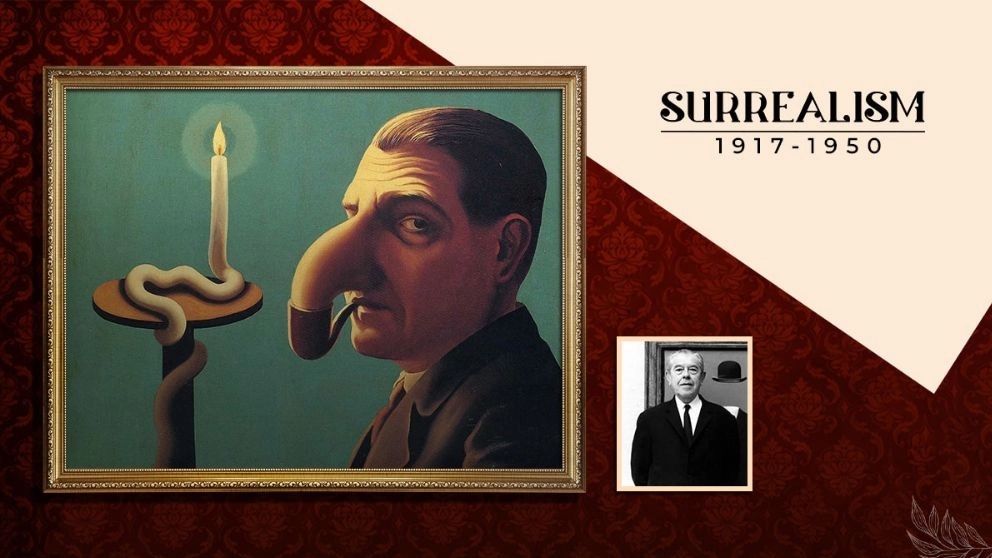
Surrealism is a modern art style that combines different abstract concepts to create an amazing effect. Surrealism first became a movement in the 20th century. Well-known images are painted realistically, then reconstructed in an ambiguous, contradictory or shocking framework, removed from their usual setting and context. Surrealist paintings are often illogical and express the artist's dreams and imagination with visions that emphasize the unconscious rather than logic!
Artists create strange creatures from ordinary subjects and uncomfortable situations and Irrationality is often painted with photographic accuracy! Surrealist art involves disorder, unexpected juxtapositions, and an element of surprise.
Surrealism is a modern art style that combines different abstract concepts to create an amazing effect. Surrealism first became a movement in the 20th century. Well-known images are painted realistically, then reconstructed in an ambiguous, contradictory or shocking framework, removed from their usual setting and context. Surrealist paintings are often illogical and express the artist's dreams and imagination with visions that emphasize the unconscious rather than logic!
Artists create strange creatures from ordinary subjects and uncomfortable situations and Irrationality is often painted with photographic accuracy! Surrealist art involves disorder, unexpected juxtapositions, and an element of surprise.
- Painter -style painting style (Painterly)
This style appeared when the industrial revolution swept Europe in the first half of the 19th century. In the past, painters went to great lengths to remove brush strokes or texture from their paintings. But in this style, the artist does not try to create the effect of his brush, which is applied freely and quickly; to hide In fact, in this style of painting, subjects were presented realistically; However, painters make no effort to hide their technical work. Also, the color should not be applied thickly. The thin layers of paint using this artistic style show themselves as beautifully as possible.
The main emphasis of this style in painting is the brushstrokes and the pigments themselves. Artists working in this style do not try to hide what was used to create the painting by smoothing out the texture or traces left in the paint by a brush or other tool such as a spatula. Henri Matisse's paintings are excellent examples of this style.
- Impressionism Painting Style (Impressionism)
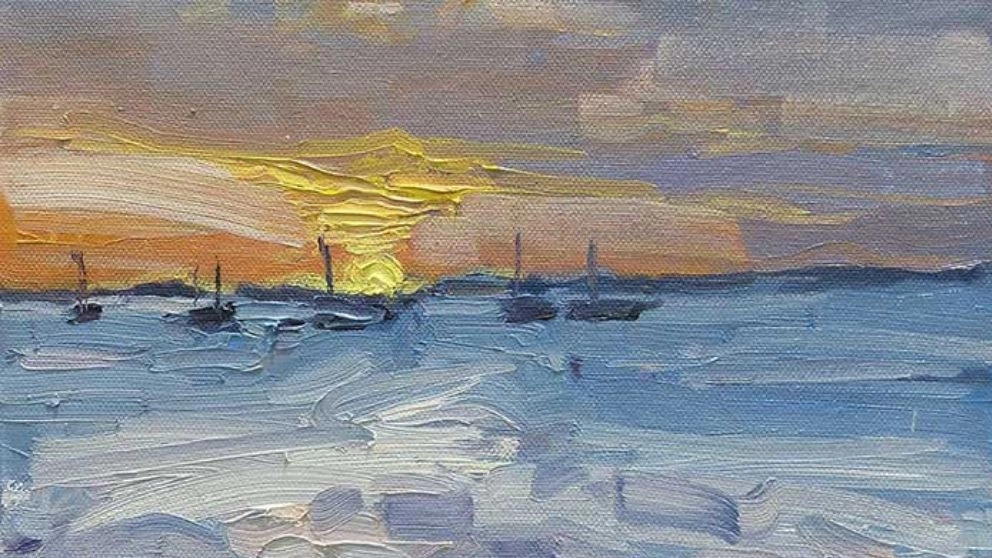
Impressionism is a style of painting that is mostly related to the 19th century. Impressionism is a style of painting that has a rough and unfinished look and is characterized by small and thin brush strokes. The subject is usually natural subjects. Impressionist paintings are often painted outdoors to capture the natural sunlight and color of the subjects. Black is rarely used because impressionist artists prefer to mix and use dark colors and complementary colors. Impressionism is more of a representation of an artist's impression that does not try to be exact in detail, but more like an expression of the feelings of the heart. This art style lies somewhere between expressionism and realism, focusing on accurate lighting but not emphasizing a realistic scene.
- Fuvism Painting Style (Fauvism)
- Fauvism painting style
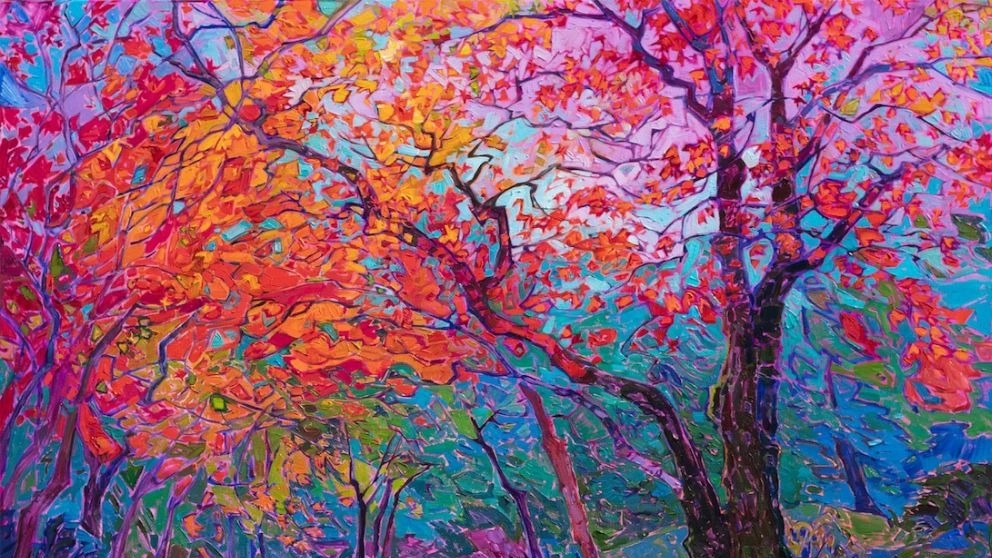
Fauvism is an art movement that was established at the beginning of the 20th century. The Fauvist style, which is characterized by its strong colors, textured brushwork and unnatural images, was an important point in the art of the early 20th century. They were working and appeared. The Fauvists are sometimes associated with the Impressionist style because of the way they painted directly from nature. However, unlike the Impressionists, the Fauvists were particularly concerned with capturing emotions in their subjects. Fauvists often painted portraits, landscapes, and colors, creating the natural world with greater impact on the surface of the canvas. Fauvism combines many art movements and borrows from everything from German Expressionism to Neo-Impressionism.
Typical characteristics of Fauvism are their ability to appear timeless and innovative, unique to is a person Today, artists continue to use bold colors and bold brushwork to create vibrant works of art. Whether through the use of brushstrokes, saturated colors or a fresh look at the landscape, the concerns of Fauvism can be recognized time and time again in the contemporary art world.
- Expressionism style painting style
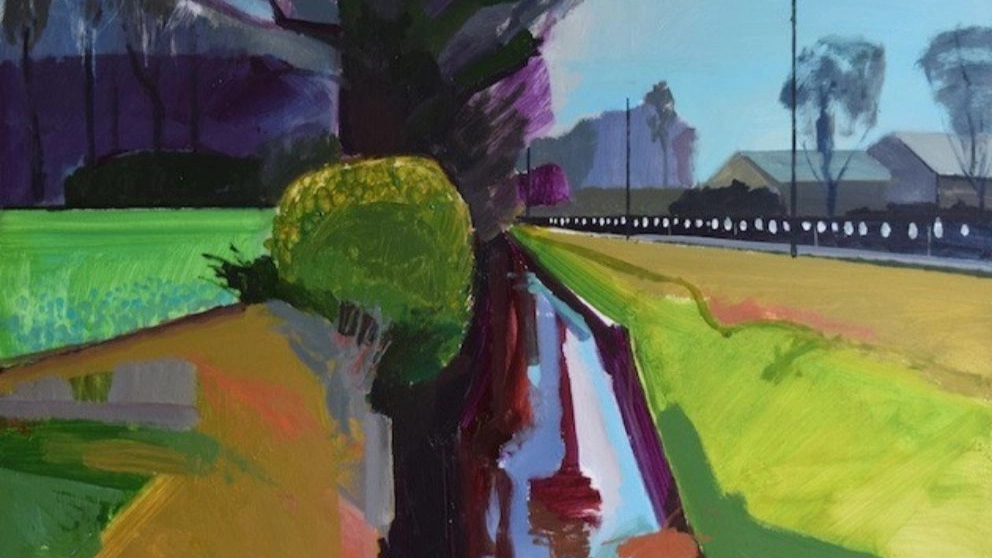
Expressionism is a style of art that does not deal with realism. In this style, images and scenes are often distorted or painted with otherworldly and vivid colors that do not correspond to reality. Instead, the focus is on the ideas or feelings of the artist that are expressed through the medium of art.
The roots of the German Expressionism school lie in the works of Vincent Van Gogh, Edvard Munch and James Ensor; Each of them developed a very special painting style between 1885-1900. These artists used the expressive possibilities of color and line to explore dramatic themes full of emotions, to convey the feeling of fear, horror or simply to celebrate nature. They broke away from the literal representation of nature to express more perspectives or states of mind.