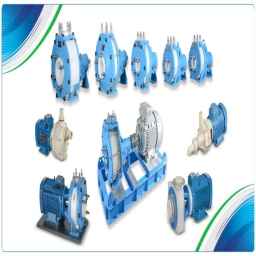

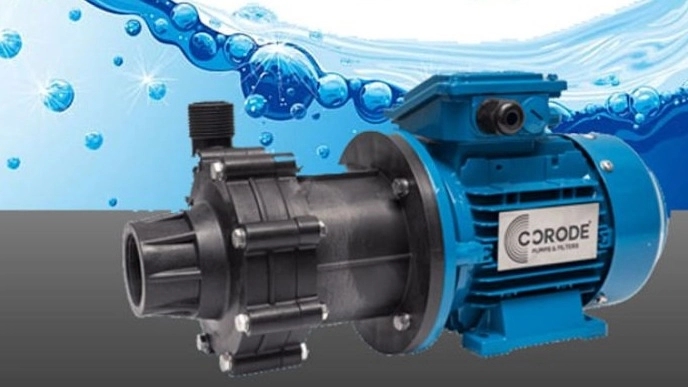


What is a Polymer Pump?
In order to properly use all types of polymer pumps, it is necessary to first get acquainted with their concept. As mentioned above, these pumps are made of polymer. As a result, their resistance has increased to a great extent and they are suitable for pumping corrosive fluids. For this reason, these pumps are also known by other names such as acid pump or anti-acid pump.
Like other centrifugal pumps, the operation of polymer pumps is based on the propellers in their structure. In this way, by turning on the electric motor connected to the pump, the necessary energy is created to rotate their impeller, and in this way, the required pressure is provided for moving and exiting the fluid. Another noteworthy point regarding polymer pumps is the way they are sealed, which is done by anti-corrosion washers and o-rings, so that there is the least amount of leakage in them.
Types of polymer pumps
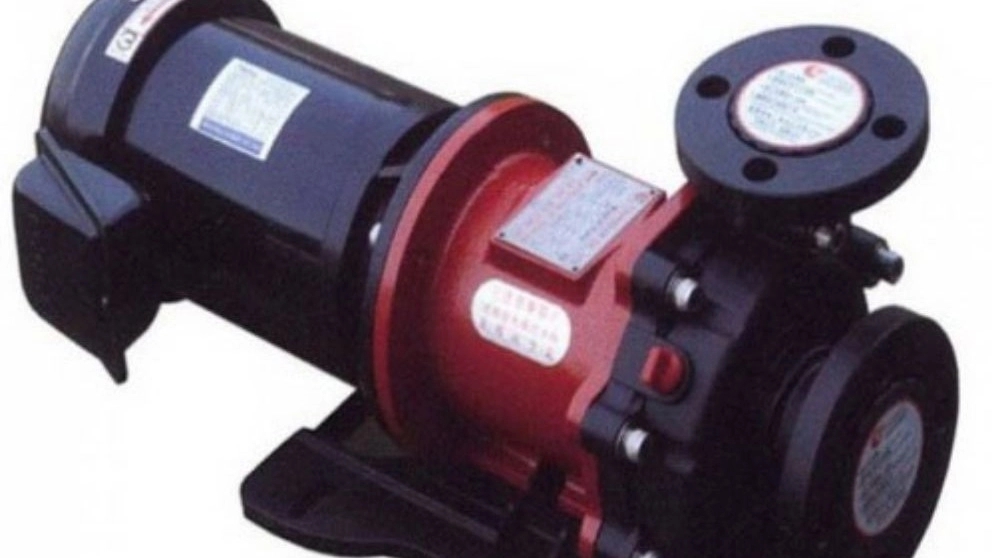
Although the generality of polymer pumps and their operation is very similar to centrifugal pumps, but since the purpose of producing these pumps is to transfer corrosive fluids, they must have features beyond centrifugal pumps. to be Among these features is the way their propellers rotate and the way these pumps are sealed so that they have the least amount of leakage to the outside. Accordingly, these pumps are divided into two types: normal and magnetic pumps.
Simple model
Simple types of polymer pumps are very similar to centrifugal pumps, and the sealing method in them is also done by parts called mechanical seals. Also, in order to move the propellers inside the pump, the force supplied by the electric motor coupled to the pump is used.
Maggen Model
The structure of magnetic pumps is slightly different from other centrifugal pumps. The reason for that is the existence of magnets around the pumps, which are both for sealing and the magnetic field created by these magnets is used to rotate the impellers inside the pump.
Polymer pump components
It is obvious that the constituent parts of these pumps are exactly the same as other centrifugal pumps. Accordingly, the most important components of these pumps include the following parts.
Pump housing
butterfly
Special sealing parts
bearing
Shaft
Application of polymer pump
Usually, polymer pump products can be used in all light and heavy industries. Because these pumps have properties that can also transfer certain fluids. Considering this issue, it can be said that the majority of their use is in industrial cases, including the cases mentioned below:
Types of acids and bases (acids)
Pumping sea water and other salt solutions
All kinds of solvents including organic solutions
Transfer of detergents such as liquid soap
Caustic soda pumping
Water and wastewater treatment industry
Foundry and waterworks industries
Heat exchangers
How to install the polymer pump
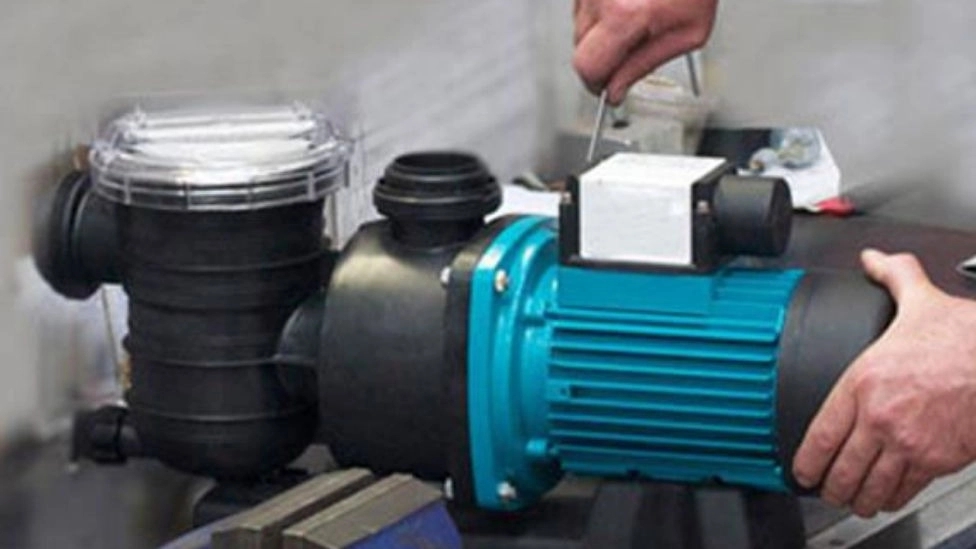
In order to prevent problems in the operation of any type of pump, one of the important things is to entrust their installation to experts in this field. Installation of polymer pumps is not exempted from this law and should be done by experts. However, in the following, some important points are mentioned in this regard for customers to get to know more.
The most important point is to ensure that these pumps do not run dry. Therefore, it is necessary to check this issue before turning them on and also to turn off the pump immediately after finishing the fluid pumping. Another point is the sealing of these pumps during their installation. Accordingly, soft plastic pipes should be used for the inlet and outlet pipes of the pumps, and after installation, the place of these connections should be filled with liquid. The last point is related to the direction of rotation of the propellers of these pumps, which must be controlled when connecting the electricity to them.
Purchase of polymer pumps and how to choose it
When buying a polymer pump, in order to have the most suitable model based on the intended system, it is enough to pay attention to a few specific parameters. These parameters consist of the technical specifications of the pumps themselves and other items included in the list below.
Pump head and discharge rate
The type of pump based on the fluid used
fluid temperature
Engine speed and power
Pump inlet and outlet dimensions
The number, type and type of propellers used
The corrosiveness of the fluid
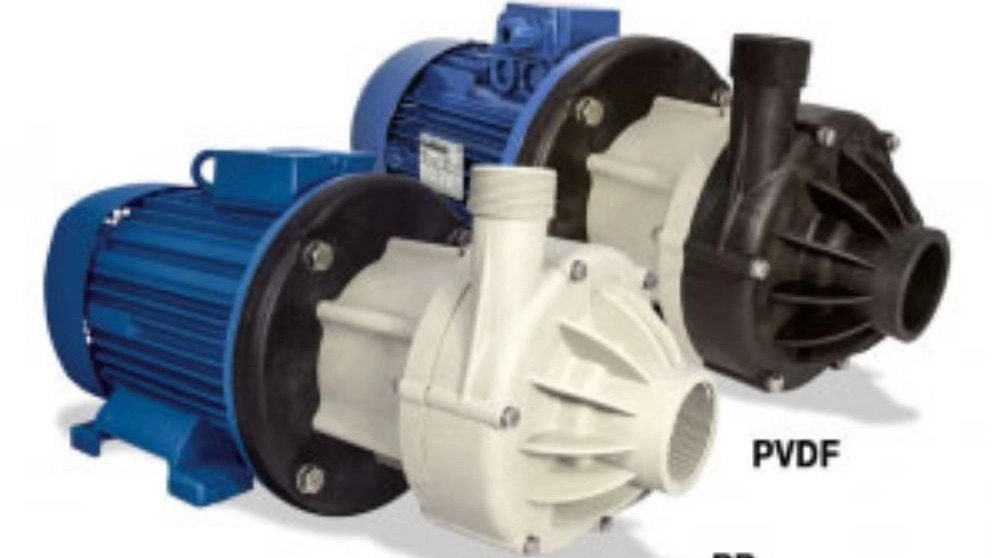
Polymer pump
Usually these pumps are made of plastic polymers. Accordingly, Teflon (PTFE) and Kainar (PVDF) are among the engineering polymers used for this purpose, which have resistance up to a temperature above 90 degrees Celsius. Other types of these materials include polypropylene, polyethylene, and PVC, which are resistant to corrosive fluids.
Another common material used in the construction of polymer pumps is a type of engineering superalloy with high resistance called Hastelloy, which is made of nickel, molybdenum, chromium and tungsten elements. It should also be mentioned that the head part of these pumps is also covered with a resistant metal layer to increase their overall resistance again.