

In construction projects, ready-mixed concrete factories and active units in the construction industry, basic maintenance of cement and quick access to raw materials are of great importance. Cement is considered one of the most important consumables in the construction industry, and the quality of its maintenance can affect the performance of production lines and the planning of executive operations. For this reason, the use of suitable equipment for cement storage, including metal silos, has become one of the basic needs of many industrial and construction complexes.
The price of 30-ton cement silo; Daily rate inquiry is one of the important issues for buyers who intend to provide a suitable storage capacity for their project and know the technical specifications and factors affecting the final cost before choosing the product. The 30-ton cement silo is suitable for collections that require a tank with a certain capacity, the possibility of controlled loading and unloading, and the ability to connect to cement transfer equipment.
Meanwhile, it is very important to choose a manufacturer familiar with the principles of industrial tank construction. Kaveh Tanker Construction can be considered as a name for checking services related to the construction of silos and industrial storage equipment. The conscious choice of the silo should be made based on the actual capacity required, the conditions of the installation site, the type of peripheral equipment and the quality of the construction, so that the final product can meet the operational needs of the complex.
In this article, while examining the concept of the price of 30-ton cement silo, you will get to know the applications of this tank, technical features, construction steps, factors affecting the cost, important purchase points and criteria for selecting the manufacturer. Its purpose is to have enough information to compare options and choose the most suitable silo before inquiring about the daily rate.
What is a 30 ton cement silo and what is its use?
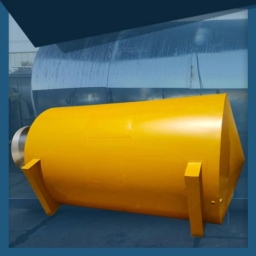
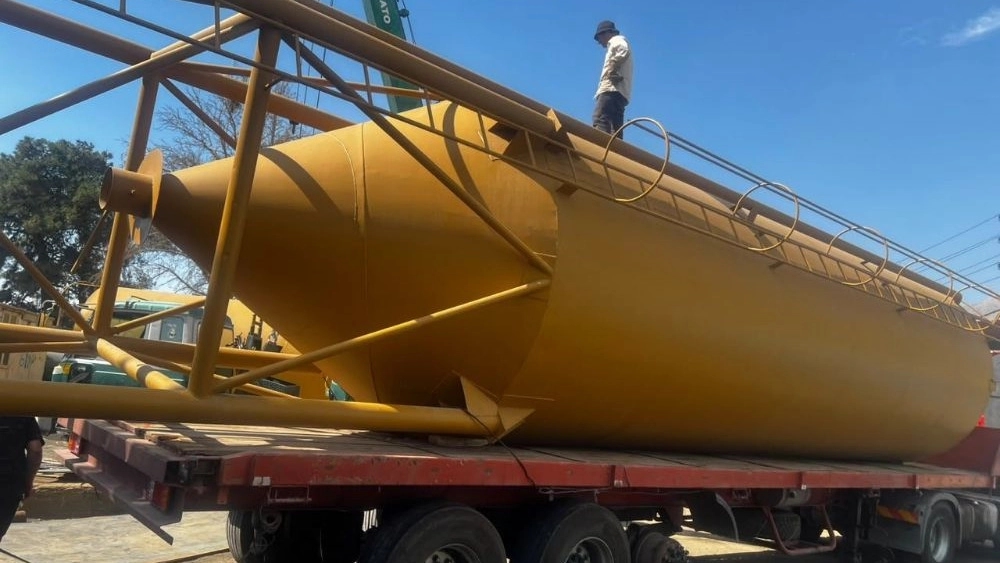
The 30-ton cement silo is an industrial tank for storing cement in bulk, whose nominal capacity is defined based on the mass of cement. These equipments are usually used in ready-mix concrete factories, concrete parts production workshops, construction projects and some production units.
The structure of the silo is designed in such a way that it is possible to store the cement, enter the material through a specific route and its controlled discharge. In many models, the upper part of the tank is considered to enter the cement and the lower part is considered for draining and connecting to the transmission equipment.
Choosing the right capacity is very important. If the capacity of the tank is less than the consumption requirement of the complex, the frequency of cement supply will increase; While choosing a capacity disproportionate to the consumption volume and installation space can make it difficult to manage the raw materials. Therefore, checking the required capacity should be done before purchasing.
The difference between the nominal capacity and the internal volume of the silo
One of the important points when checking the price of 30-ton cement silo is the difference between the weight capacity and the geometric volume of the tank. The capacity of 30 tons refers to the nominal mass of cement, while the internal volume is determined based on the dimensions and geometric shape of the tank.
Since the bulk density of cement depends on the storage conditions, the type of cement and how the tank is filled, the required volume capacity must be determined by technical calculations. For this reason, one should not decide on the actual capacity of the tank based only on its appearance or general dimensions.
The main components of cement silage
Cement silo consists of different parts, each of which has a specific task. Its most important components are:
- The main body of the tank for cement storage.
- Funnel or conical part to guide the material to the outlet.
- Standing and supporting structure to transfer the load to the support.
- Inlet and outlet valves and connections.
- Material level control equipment, if foreseen in the design.
- Suitable filtration and dust collector system for dust control.
- Equipment Transfer and evacuation, according to the needs of the collection.
The type and number of auxiliary equipment depends on the silo design and operating conditions. When inquiring about the price of 30-ton cement silo, specifying these items will help manufacturers' technical proposals to be comparable.
The price of 30 ton cement silo depends on what factors?
The price of 30-ton cement silo depends on a set of technical specifications, construction conditions and required facilities. For this reason, announcing a fixed rate without specifying the details of the product does not necessarily provide the buyer with accurate information to make a decision.
To get the daily rate, it is better to determine the needs of the project first and then send the specifications to the manufacturer. This method allows for a more accurate examination of the final cost and prevents incorrect comparison of products.
The quality and thickness of the sheets used
Metal sheets form the main part of the silo body. The material, thickness, surface quality and compatibility of the sheet with the design conditions are factors affecting the construction quality.
Choosing the sheet thickness should be done based on engineering calculations, tank height, body geometry, applied loads and operating conditions. Increased thickness without calculation does not necessarily mean better design; As the unprofessional reduction of thickness can affect the safety and durability of the structure.
When considering Kaveh's or any other manufacturer's tanker proposal, it is better to specify the specifications of the sheets and the basis of product design clearly.
Silo design type and dimensions
Overall height, body diameter, shape of conical section, outlet position and type of bases affect the design and amount of consumables. These features should be compatible with the nominal capacity and installation space.
For example, height restrictions at the installation site may require a different design. Also, the way to access the loading and unloading equipment should be considered from the beginning so that the operation of the silo does not face problems.
Auxiliary equipment and evacuation system
Some silos come with a simpler structure, while some models require more accessories. Dust collectors, filters, level sensors, drain valves, transmission connections and aeration equipment are among the items that may be included in the design.
The type of this equipment should be selected based on the actual operating conditions. Using inappropriate equipment can increase maintenance costs or disrupt the evacuation process.
Type of coating and protection against corrosion
Cement silo is installed in industrial and workshop environments and the quality of its surface coating affects the durability of the body. Choosing the type of coating should be done according to environmental conditions, humidity, maintenance and project requirements.
Correct preparation of the surface, basic application of coating and quality control of painting are important things in the construction of metal tanks. In addition to the proper appearance, these steps can help maintain the quality of the surface over time.
Shipping and installation cost
Silo dimensions, structure weight, transport route, access restrictions and on-site unloading conditions affect transfer planning. Installation may also require lifting equipment, site preparation, and foundation implementation in accordance with the loads.
For this reason, when inquiring about the price of a 30-ton cement silo, it should be specified whether the offer includes construction, transportation, installation and commissioning or is only related to the production of the tank.
Why is the 30-ton cement silo the right choice for some projects?
The capacity of 30 tons can be a practical option for the collections that have specific cement consumption and limited installation space. Of course, the appropriateness of this capacity depends on the daily consumption volume, raw material supply schedule and production conditions.
Better management of cement stock
The existence of a dedicated tank for bulk cement allows more regular planning for the supply of raw materials. Manufacturing companies can better manage the timing of cement supply according to the silo capacity and the amount of consumption.
Adequate capacity can also help reduce downtime caused by raw material shortages. Of course, to achieve this goal, there must be coordination between the tank capacity, the supply plan and the consumption volume.
Reduce the need for sporadic maintenance
Keeping cement in the right tank makes raw material management more orderly and prevents bags from being scattered or improperly stored. This issue is very important in industrial environments that have a specific space for material storage.
However, the silo must be properly sealed and maintained so that moisture and contamination do not penetrate the cement.
Facilitating the transfer of cement to production equipment
If the output is properly designed and the appropriate transfer equipment is used, cement can be directed from the tank to the consumer sections. This capability is very important in ready concrete factories and concrete parts production lines.
The coordination between the silo, transfer equipment and weighing system should be checked from the design stage so that the material flow is compatible with the needs of the production line.
30 ton cement silo applications in different industries
30 ton cement silo is used in different sets. It should be chosen based on the type of activity, amount of consumption and environmental conditions.
Ready concrete factories
In ready-mix concrete factories, cement is one of the main raw materials. Proper storage of this material can help to order the production process and continuous supply of materials.
In these collections, the silo must be coordinated with the weighing system, transfer equipment and production capacity of the factory. Also, dust control during loading is very important.
Construction projects
Some construction projects need an independent storage tank to supply the cement required for operational operations. In this situation, the choice of silo capacity depends on the duration of the project, the amount of consumption and the possibility of access to suppliers.
The design of the installation site should be such that cement transport vehicles can easily access the loading area and the executive equipment has enough space to operate.
Production of concrete parts
Factories producing blocks, tables, precast parts and other concrete products may use silos to store bulk cement. In these applications, the speed of material transfer and coordination with the production schedule are very important.
Checking the type of consumption, the amount taken from the tank and the environmental conditions helps to choose the right silage.
Dry mortar production units
In some dry mortar production lines, cement as one of the main materials is stored in bulk and transferred to the production process. In these applications, controlling humidity and preventing the entry of pollution is particularly important.
The type of silo and accessories should be selected according to the characteristics of the material and the requirements of the production line.
The stages of making cement silos in Kaveh tankers
The quality of cement silage depends on the design, selection of raw materials, accuracy of construction and control of execution steps. Familiarity with these steps will help buyers ask more detailed questions when reviewing technical proposals.
Checking project needs and initial design
At the beginning of the work, the required capacity, installation location, permitted height, loading conditions and unloading method should be specified. This information is the basis of the initial design and selection of tank dimensions.
It is also necessary to check the conditions of the foundation and the loads applied to the foundations. The design should be done by qualified people and take into account the safety requirements of the structure and equipment.
Sheet selection and parts preparation
After confirming the drawings, the required sheets and parts are selected based on the technical specifications. Cutting and preparation must be done according to the plan so that the dimensions of the parts and the joints are accurate.
The quality of raw materials and compliance with manufacturing tolerances are important at this stage; Because dimensional errors can affect assembly and final quality.
Body assembly and welding
Inspection of welds should be done according to design requirements and related standards. The purpose of this stage is to achieve proper connections and reduce the possibility of leakage or weakness in different parts of the structure.
Construction of foundations and funnel section
The foundations must be suitable for bearing the designed loads and transferring them to the foundation. The funnel part should also be designed in such a way that the output of the material is compatible with the required operating conditions.
Dimensions and slope of the funnel section, outlet location and type of unloading equipment affect the performance of the silo. Improper design of this section may cause material to remain or difficulty in emptying.
Implementation of protective coating and quality control
After the construction is completed, the metal surface is prepared for coating. The choice of the preparation method and the type of coating should be compatible with the environmental conditions and product specifications.
Preparation for transport and installation
After finishing the construction and performing the necessary controls, the silo is ready to be transferred to the project site. The method of transportation should be chosen according to the dimensions, weight, access route and road restrictions.
At the installation site, the foundation, lifting equipment, operating space and necessary connections must be prepared in advance. Compliance with safety principles in lifting and installing the tank is particularly important.
Important points before inquiring about the price of 30 ton cement silo
To receive a more accurate technical proposal from Kaveh Tanker, it is better to know the project information from the beginning. Providing complete details allows for a more appropriate choice and a more transparent comparison of offers.
Determining the actual capacity required
First check the amount of cement consumption and raw material supply schedule. The capacity of the tank should be chosen in such a way that it is compatible with the consumption of the collection and at the same time taking into account the limitations of the installation space.
It should also be noted that the nominal capacity of the tank is not the same as the usable amount in all conditions; Therefore, the design should be done based on operational needs.
Determining the required facilities
Prior to enquiry, determine what accessories the silo needs. For example, you may need a dust collector, level sensor, special exhaust system, or specific connections for transfer equipment.
Determining these things at the beginning of the work prevents the discrepancy between the buyer's expectation and the specifications of the proposed product.
Checking the conditions of the installation site
Allowed height, dimensions of the installation space, foundation condition, entrance route of cement vehicles and the possibility of using lifting equipment should be checked.
This information affects the design, transportation and installation of the silo. Proper site preparation reduces the possibility of delays and implementation problems.
Comparison of technical specifications of offers
When receiving offers from different manufacturers, do not pay attention only to the product or the nominal capacity. Sheet specifications, structure design, peripheral equipment, protective coating, quality control and service scope should also be checked.
Comparison based on the same specifications makes decision-making more accurate and enables better evaluation of product quality.
Basic maintenance of cement silage to increase durability
The correct maintenance of the silo helps to maintain the quality of the equipment and its proper performance. Regular inspection can identify potential problems in the early stages and prevent damage from spreading.
Inspection of the body and protective cover
The body and the surface coating should be checked periodically for corrosion, external damage and the condition of the connections. Any damage to the coating must be repaired according to the appropriate instructions.
The frequency of inspection depends on the environmental conditions, the type of coating and the amount of use of the equipment.
Drainage system control
Output section and transmission equipment should be checked for proper operation. Accumulation of materials, malfunctions in valves or transmission equipment problems can reduce the efficiency of the system.
Any repair or clogging must be done according to the manufacturer's instructions and in compliance with safety requirements.
Checking the filter and dust collection equipment
Filter and dust collector play a role in controlling dust when entering and moving cement. Checking the condition of the filter, connections and equipment performance helps to maintain proper operating conditions.
The service program must be set according to the manufacturer's specifications and working conditions. Also, when working with cement and dust collection equipment, it is necessary to use appropriate dust control methods.
Inspection of foundations and connections
Bases and support joints should be checked for deformation, corrosion and possible damage. Any unusual symptoms should be evaluated by a specialist.
Entering into the silo or carrying out internal repairs should also be done only based on safe methods and specialized instructions; Because industrial tanks can cause serious risks for people.
Why should we check Kaveh tankers to make cement silo?
Choosing the right manufacturer is an important part of the process of purchasing industrial equipment. In addition to the capacity of the tank, the buyer should pay attention to the quality of construction, technical specifications, the possibility of adapting the product to the project conditions and the way of providing services.
Attention to the specific needs of each customer
The conditions of industrial projects are not the same. Some collections require silos with simple equipment, and others require more advanced control and transmission facilities.
Checking the customer's real needs before designing helps the final product to be in harmony with the installation space, existing equipment, and operation plan.
The importance of quality construction and connections
Sheet quality, cutting accuracy, execution of welds, foundation design and final control are important criteria for cement silo evaluation. These items should be checked based on technical specifications and design requirements.
Choosing a product only based on its appearance or declared capacity is not enough; But the quality of construction and technical documentation should also be included in the decision.
Transparency in specifications and services
Providing clear specifications about capacity, dimensions, sheet material, peripheral equipment, protective coating, transport conditions and installation scope allows for a more accurate comparison of offers.
Kave Tanker Sazi can help customers better understand the available options by clearly introducing the features of the products and explaining the manufacturing steps. Providing documented information about capabilities and services is an important part of professional communication with buyers of industrial equipment.
summary
The 30-ton cement silo is one of the practical equipments for storing bulk cement in ready-mixed concrete factories, construction projects and concrete parts production units. The selection of this tank should be done according to the volume of consumption, the conditions of the installation site, peripheral equipment and the actual needs of the collection.
The price of 30-ton cement silo is influenced by factors such as sheet quality, body design, dimensions, evacuation equipment, dust collector, protective coating, and transportation and installation conditions. For this reason, to inquire about the daily rate, it is necessary to determine the required technical specifications accurately and compare the received offers based on the same characteristics.
Kaveh Tanker Manufacturing can be one of the investigated options for the applicants for the construction of silos and industrial storage equipment. Paying attention to the quality of construction, design according to the project, clear technical specifications and control of production steps are important criteria in choosing the right product.
If you intend to supply a 30-ton cement silo, it is better to specify the required capacity, installation space, peripheral equipment, transport conditions and technical requirements of the project before finalizing the order. This helps to get a more accurate proposal and choose a product that fits the operational needs.
Finally, a successful purchase is achieved when the right capacity, principled design, quality of construction and required services are placed next to each other. A careful examination of these factors and an informed choice of the manufacturer can help to increase the reliability of the equipment and improve the management of raw materials in industrial and construction projects.
