
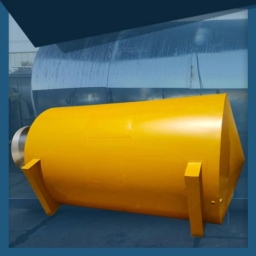

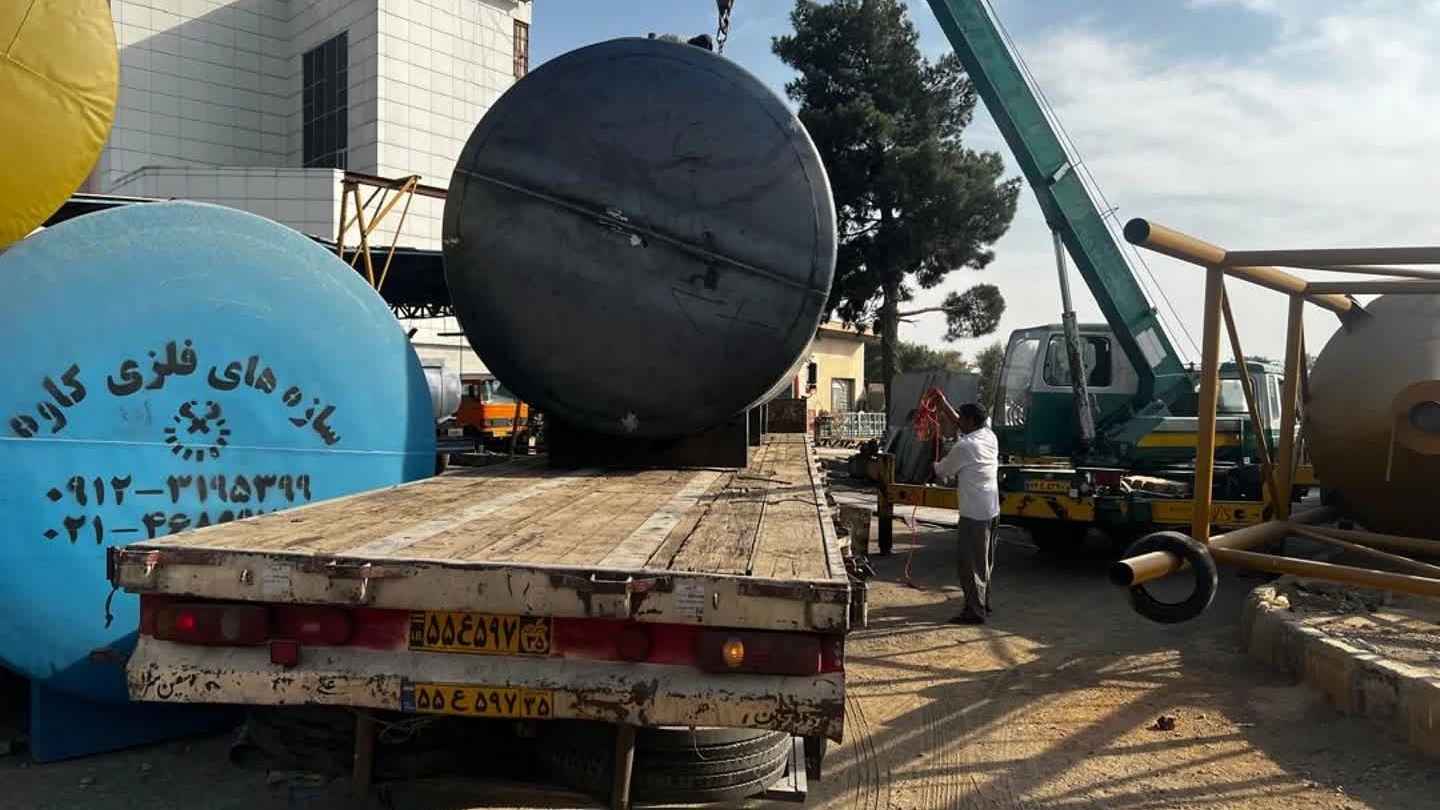
Transportation and storage of petroleum products is one of the activities that requires specialized, resistant and suitable equipment for working conditions. Gasoline, diesel and other petroleum products should be transported using tanks that are in good condition in terms of body strength, quality of connections, sealing and safety equipment. For this reason, production of fuel tankers in Tehran is one of the services that transport companies, industrial complexes, contractors and businesses active in the field of fuel distribution are interested in.
Choosing a suitable manufacturer is not limited only to the appearance of the tanker or its capacity. The quality of raw materials, engineering design, type of welding, compatibility of the chassis with the weight of the tank and compliance with legal requirements, all affect the performance and longevity of the tanker. Buying a product that is built without considering these factors can increase maintenance costs and create operational risks.
Meanwhile, Kaveh Tanker Manufacturing, as the name introduced in this article, can be in the center of attention of customers who are looking for fuel tanker manufacturing services. For the final choice, it is better for buyers to check the technical specifications, portfolios, warranty terms and documents related to the products of this collection directly.
Kaveh tankers; Choosing the right manufacturer for the construction of fuel tankers
Choosing a manufacturer that can correctly identify the customer's technical and operational needs is one of the most important steps before ordering a tanker. A professional manufacturer should get enough information about fuel type, required capacity, transportation method, traffic routes and accessories before starting construction.
Kaveh Tanker Construction is introduced in this article as an option for checking services related to tanker construction. When negotiating with this collection, it is better for the customer to get detailed information about the possibility of custom design, the type of sheet used, quality control methods, unloading and loading equipment, and legal requirements related to the desired product.
The main advantage of custom-made construction order is to avoid choosing a tank whose capacity or features are not compatible with the actual working conditions. For example, the needs of a fuel distribution company are not the same as the needs of an industrial complex that uses a tank to store fuel on site.
For this reason, in the production process of fuel tankers in Tehran, the functional specifications of the product must be determined from the beginning. The more accurate the initial information is, the more it will be possible to choose the right design, estimate the cost and plan for the delivery of the product.
Types of fuel tankers and their applications
Fuel tankers are designed and produced in different models based on the place of use, fuel type, capacity and transportation method. Knowing these categories helps the buyer to choose a product that fits his operational needs.
1. Road fuel tanker
Road fuel tankers are used to transport petroleum products in urban and intercity routes. In addition to body strength, this type of tanker should have a suitable design for load distribution and vehicle stability.
In the construction of road tankers, tank capacity, number of compartments, how to connect to the chassis, unloading and loading equipment and safety systems are very important. Also, the design must be in harmony with the allowed weight of the vehicle and regulations for transporting flammable materials.
Customers who are looking for the production of fuel tankers in Tehran should specify the type of vehicle, required capacity and operating conditions before ordering this type of product.
2. Industrial fixed fuel tanker
In the construction of a fixed tank, the thickness and material of the body, the type of foundation, connections, ventilation, leakage control and protection against corrosion are important factors. The selection of safety equipment should be based on the type of material stored and related standards.
3. Custom fuel tanker
In some projects, ready-to-market products do not meet customer needs. In such a situation, building a tanker based on dimensions, capacity and required equipment can be a suitable option.
Customized tanker should be designed considering the installation space, transportation conditions, type of consumption and technical limitations. Before placing an order, it is better to clearly define the technical drawing, specifications of raw materials, the scope of the manufacturer's services, and the responsibilities related to product approval.
4. Multi-compartment tankers
In some applications, the tank is divided into several separate sections to allow the simultaneous transport of certain cargoes or better cargo management. The number and volume of the chambers should be proportional to the type of operation and safety requirements.
The design of these models requires engineering calculations; Because the internal walls, the way the load is distributed and the behavior of the fluid when moving affect the stability of the vehicle.
Production stages of fuel tankers in Tehran
The fuel tanker manufacturing process should be done with technical planning and quality control in different stages. Following these steps helps to increase product reliability and reduce the possibility of manufacturing defects.
The first step: examining the customer's needs and preliminary design
In the first stage, the type of fuel, capacity, conditions of use, method of transportation or installation and required equipment are checked. Then the basic specifications of the product are prepared based on customer needs and technical requirements.
Dimensional restrictions, permitted weight, environmental conditions, and regulations related to transporting or storing fuel should also be considered at this stage. Accurate initial design prevents costly changes in later stages.
Second step: selection of sheets and raw materials
The material of the sheet and other components used in the construction of the tanker must be compatible with the type of fluid, working conditions and engineering design. One type of sheet or specific thickness cannot be considered suitable for all fuel tankers; Because the requirements of the fuel tank may be different from the fixed industrial tank.
Checking the technical specifications of raw materials, their related certificates and parts traceability is part of the quality control process. When ordering the production of fuel tankers in Tehran, the customer can request the specifications of consumables in the contract or technical documentation of the product.
The third step: cutting and shaping the parts
After preparing the drawings and confirming the raw materials, the parts are cut and shaped based on the designed dimensions. The accuracy at this stage has a direct effect on the quality of the assembly, the compatibility of the parts and the final state of the body.
An error in the dimensions or shape of the parts may make assembly difficult and increase the need for modifications. Therefore, dimensional measurement and control should be done at the designated points of the manufacturing process.
Fourth step: assembly and welding
Welding is one of the most sensitive parts of fuel tanker production. The quality of the connections, choosing the right welding method and following the executive instructions play an important role in the strength and sealing of the tank.
Welding should be done by qualified people and according to appropriate technical instructions. Visual inspection and non-destructive tests, if necessary, can help identify possible defects.
Fifth step: installation of equipment and connections
After assembling the body, the required equipment is installed based on the product design. This equipment may include valves, drain fittings, access valves, ventilation systems, and measuring instruments.
The type and number of equipment depends on the application of the tanker. In fuel tanks, the equipment must be compatible with the nature of the flammable material and meet the necessary conditions in terms of performance and safety.
Sixth step: inspection and quality control
Before delivery, the product must be checked according to the inspection schedule and the relevant technical requirements. The type of tests depends on the design, the applicable standard and the use of the tanker.
Leakage test or pressure test, if required by the relevant design and standard, should be done by the approved method and by qualified people. The selection of the test method should be done according to the possible risks and the implementation of unauthorized or unprincipled tests should be avoided.
The seventh step: preparation and delivery of the product
In the final stage, the appearance condition, equipment, technical documentation and order specifications are checked. Before delivery, it is better to provide the list of items, warranty conditions, operating instructions and suggested maintenance program to the buyer.
These documents help to use the tanker correctly and follow up after sales services.
Factors affecting the production price of fuel tankers in Tehran
The price of a fuel tanker depends on a set of technical and economic factors, and without specifying the details of the order, it is not possible to give an exact price for it. Knowing the factors affecting the price helps the buyer to better compare the offers of the producers.
Tank capacity and dimensions
The capacity of the tank affects the amount of raw materials, the dimensions of the parts and the time required for construction. With the increase in capacity, the cost of raw materials and equipment may also increase; However, the final price is not determined solely based on the volume of the tank.
Sheet material and thickness
Choosing the material and sheet thickness should be done based on engineering design and operating conditions. The use of suitable and traceable materials can affect the initial cost, but the unauthorized reduction of thickness or the use of inappropriate materials to make the product cheaper is a risky decision.
Accessories and safety
The type of valves, connections, valves, measuring systems and other peripheral equipment are factors affecting the price. Some orders require special equipment that must be included in the cost estimate.
Chassis type and transport structure
In road tankers, chassis design, vehicle type, carrying capacity and stability requirements are important. Coordination of the tank with the chassis and compliance with the weight limits must be checked before production.
Build quality and tests
The cost of quality control, welding inspection, required tests and preparation of technical documentation may be reflected in the final price. When comparing price offers, it should be determined exactly what services and tests each manufacturer has included in the stated amount.
In order to get a proper estimate from Kaveh Tankers, it is recommended to provide detailed specifications of capacity, type of application, required equipment and delivery conditions. Also, it is better to receive the details of the price, construction time and obligations of the parties in writing.
Why is it important to choose a reliable manufacturer?
In the field of fuel-related equipment manufacturing, low price alone is not a good decision criterion. A product that is weak in terms of design, raw materials or quality control may cause more costs in the future.
A reliable manufacturer should be able to provide clear explanations of product specifications, manufacturing processes, inspection methods, and technical documentation. Also, transparency in the contract, delivery time, warranty conditions and after-sales service are important factors in the manufacturer's evaluation.
When reviewing Kaveh tankers, it is better for customers to evaluate the related projects, the technical specifications of the products and the ability of the group to execute their desired order. Examining these cases removes the decision making from advertising mode and turns it into an evidence-based choice.
Safety tips in the construction and use of fuel tankers
Fuels may be flammable, and their leakage may cause fire hazard, environmental pollution and property damage. For this reason, safety must be considered from the design stage to operation.
Compliance with technical and legal requirements
The tank must be built according to the standards and regulations applicable to the type of tank and the method of use. Fixed tank requirements are not the same as road tankers; Therefore, the regulations related to the desired application should be determined before ordering.
Prevent leakage
The quality of welds, connections and sealing equipment play an important role in preventing leakage. Periodic inspection and prompt attention to signs of corrosion or damage will help keep the tank in a safe condition.
Attention to ventilation and fire protection
Ventilation, fire protection and static electricity control equipment should be selected based on fuel type, design and relevant regulations. Using inappropriate equipment can increase operational risks.
Periodic inspection and maintenance
Over time, the tanker may be exposed to corrosion, impact, worn connections or damage due to use. The inspection and maintenance program should be adjusted according to the type of tank, working conditions and manufacturer's instructions.
Production of fuel tankers in Tehran and the importance of access to technical services
Tehran is one of the important markets for transportation and storage equipment due to the concentration of transportation companies, industrial units, distribution centers and construction activities. In such a market, it is important to choose a manufacturer who can establish a proper technical relationship with the customer.
Convenient access to the manufacturer can make it easier to arrange for order review, track the manufacturing process, and receive related services. Of course, the location of the manufacturer alone does not guarantee quality, and it should be evaluated along with technical ability, documentation, verifiable history and after-sales service conditions.
People who search for fuel tanker production in Tehran are usually looking for information about the types of tanks, price, quality of construction and how to place an order. For this reason, providing clear information about the technical specifications and order process helps the manufacturer gain the trust of the audience.
Kaveh Tanker Sazi can also clearly provide information such as production capacities, types of products, equipment that can be ordered and the method of receiving pre-invoices in the content of its service introduction; Of course, this information must be in accordance with the real services of the collection.
How to order a fuel tanker?
Before placing an order, it is better to determine the main needs of the project. This allows you to receive a more accurate technical and financial proposal and avoid unnecessary changes during construction.
To begin, specify the type of tanker required, the approximate capacity, the type of fuel, whether the tank is fixed or mobile, and the conditions of use. Then discuss with the manufacturer about the body material, accessories, required standards and quality control documents.
Next, check the quotation for technical details, equipment cost, delivery time, warranty and after sales service. Comparing offers is useful when the technical specifications of the products are as similar as possible.
If you intend to check Kaveh tanker services, receiving official information about products and order conditions can be a good starting point. Before finalizing the contract, make sure all the agreed specifications are recorded in the pre-invoice or contract.
summary
Production of fuel tankers in Tehran requires technical knowledge, selection of suitable raw materials, basic design, high-quality welding and strict control of the manufacturing process. Choosing the right tanker should also be done based on the type of fuel, capacity, transportation or installation conditions, and safety requirements.
The final price of the product depends on factors such as dimensions, sheet material, peripheral equipment, chassis structure and required tests. Therefore, receiving a clear technical and financial proposal is a good solution for comparing manufacturers and choosing a product that fits the needs.
Kaveh Tanker Manufacturing is introduced in this article as an option for reviewing tanker manufacturing services. To make a confident decision, it is recommended to check the actual specifications of the products, portfolios, technical documents, warranty conditions and after-sales services of this collection. Finally, the informed choice of the manufacturer can help increase safety, reduce long-term costs and improve the performance of fuel handling and storage equipment.
