
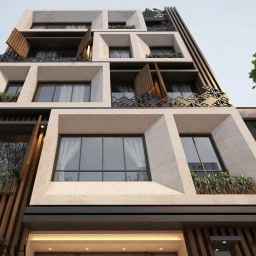

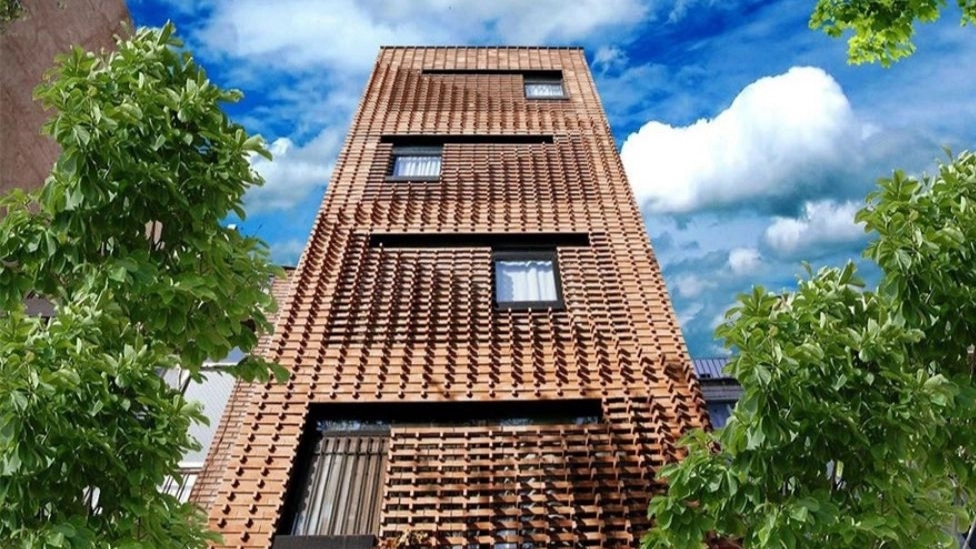
The facade of the building in every culture has its own characteristics that are rooted in the history, geographical and social conditions of that culture. In Iran, the traditional facade of buildings has been a reflection of the identity, art and rich culture of our Iranians for a long time.
Use of natural materials
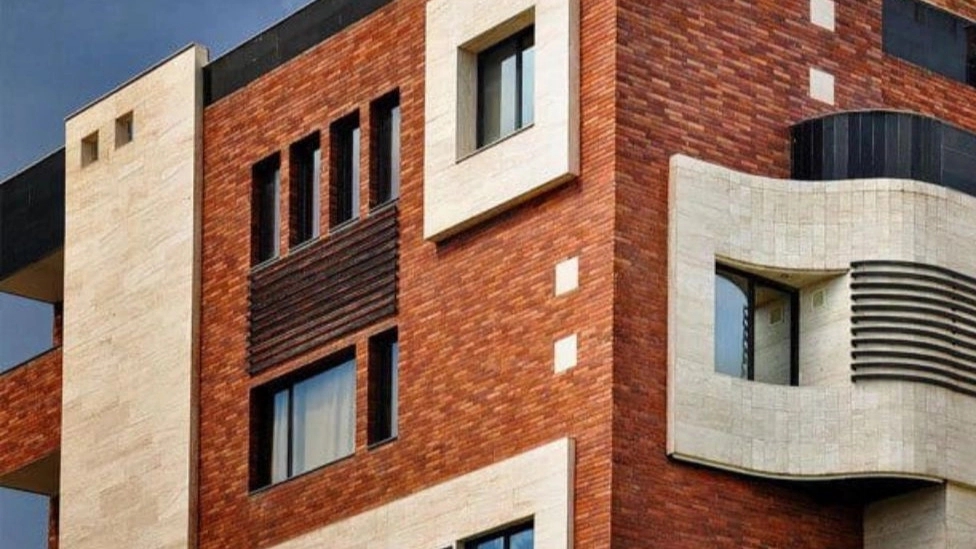
One of the distinctive features of the traditional facade is the use of natural materials such as brick, stone, wood and straw. These materials are not only closer to nature, but also match the climatic conditions of Iran. For example, in hot and dry areas, the use of thick walls, insulation materials such as straw and bricks can help reduce the temperature.
Artistic ornamentation
Another important aspect of the traditional facade is the artistic decoration, which includes plaster carvings, tiling, and lattice work. These decorations not only increase the visual beauty of the facade of the building, but also show the ancient culture and art of Iranians. For example, the turquoise tiles used in mosques and traditional buildings are a symbol of rich Islamic and Iranian art.
Return windows
Another characteristic of the traditional facade is the use of grid windows. These windows, which are known as "glazing" or "mesh", not only add a special beauty to the facade of the building, but also bring natural light into the building, and at the same time, they are effective in terms of privacy. In the past, these windows somehow cooled the space.
Balconies and porches
Balconies and porches are one of the distinctive features of the traditional Iranian facade. These architectural elements allow residents to connect with nature and the outdoors. The design of these sections is such that they are usually used in the summer as a place for rest and family gatherings.
Symmetry and equilibrium
This feature creates order in the facade of the building. In many traditional Iranian buildings, doors and windows are located symmetrically on both sides of the facade of the building.