
Chinese cars are very complicated and even a minor problem can sometimes prevent Chinese cars from starting. But, some issues are much more common than others. So here are 10 of the most common problems you may encounter when your Chinese car won't start.
1. Car battery failure
This is probably the most common problem you will encounter when your car won't start, especially in cold weather. A dead battery cannot provide enough energy to start your car to start the engine. Maybe a car light or other accessory that drained your battery. Not only may your car battery be dead, but you may have a damaged battery or corrosion on the terminals. Usually when the battery has a problem, you will hear a series of quick clicking sounds. Go ahead and try to start your car quickly to see if it starts. If you have battery cables, you should test your battery to see if it is bad or needs charging. In open load it should show 12.2 to 12.6 volts.
2. Carrping the alternator of the vehicle
A broken alternator can lead to numerous problems because the alternator is responsible for the vehicle's charging system and powering the electrical system. When the alternator fails, all of your car's electronics are powered by the battery itself without needing to be recharged. This will quickly drain the battery and leave you stranded. If the alternator is not working properly, your car will shut down when the battery gets too low.
3. Not to put gear in the park mode or p
This applies to cars with an automatic transmission. You probably know that your transmission must be in park before you can start your vehicle. Your vehicle is equipped with a safety feature that will not allow the vehicle to start unless the shifter is in park. Sometimes, the sensor or neutral safety switch in the shifter can get a bit problematic. If the gear seems to be in park, but your car still won't start, try putting the gear into park a few times. This may eventually disable the sensor and allow your vehicle to start.
4. Loose electrical connections
Even if your battery is fully charged, your car will not start if the battery cables are loose. Battery connection cables may loosen over time as you drive your vehicle, and the shock and vibration of driving can cause them to loosen slightly. A connection that is even slightly loose can prevent your car from starting. You can try wiggling the connections on the battery terminals to see if they are tight. If there is any movement in them, you should tighten them and try to start your vehicle again. A loose wire elsewhere, such as the starter, can also cause problems, but this problem is less common and more difficult to diagnose.
5. Car startup failure
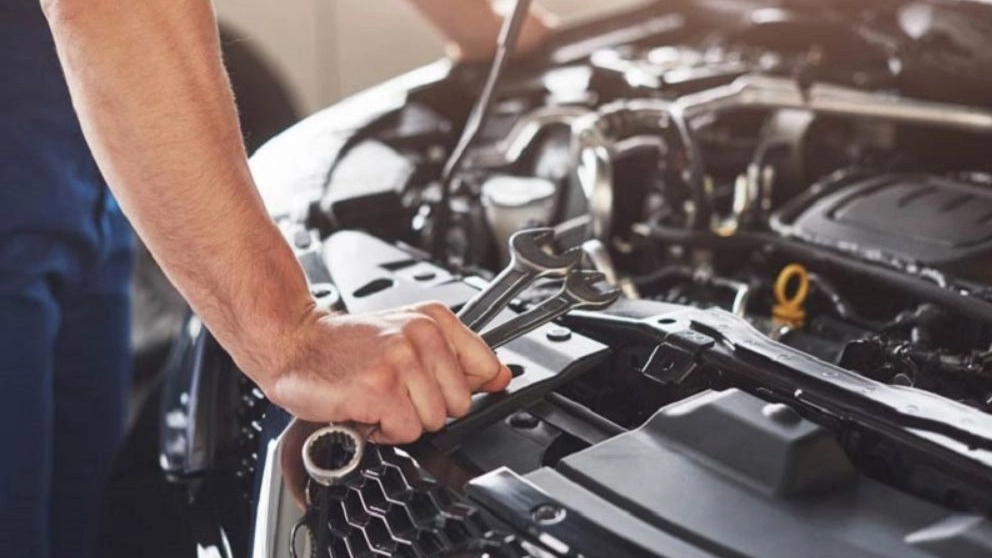
If the starter motor, solenoid, or other starter parts fail, you may hear a clicking sound when you try to start the car. A faulty starter can get you into trouble. You can try tapping your starter gently with a hammer or screwdriver, and sometimes that can open the relay and cause the starter to restart. However, the starter is often difficult to access, so you may not be able to do this. If this is the case, you will probably need to go to an auto repair shop to diagnose them and replace your starter to get your car running again.
6. Keyless Start Problems
Many modern cars have a push button start. This means you don't have a key to put in the car. You press the brake pedal and then press the start button. However, your car's computer must communicate with your key fob to function properly. If your key fob has a problem or even a low battery, it can prevent your car from starting.
7. Clear Filter of Gasoline
If your car starts but does not start, the fuel filter may be clogged. A clogged filter prevents fuel from passing through the fuel system properly. If enough fuel cannot reach the engine, the car may rip. In some cases, a total blackout will cause your vehicle to not start at all.
8. The problem at the gas station
If no fuel is coming from the fuel tank to your engine, the fuel pump may be faulty. This part pumps the gas from the tank to your engine. Lack of fuel makes your car engine not start. You may hear a whirring sound when the fuel pump is trying to operate, but this may mean that it is not working properly. It's usually best to let an experienced mechanic fix this problem because gas is dangerous and your gas pump is usually located in your gas tank.
9. The female spark switches to the problem
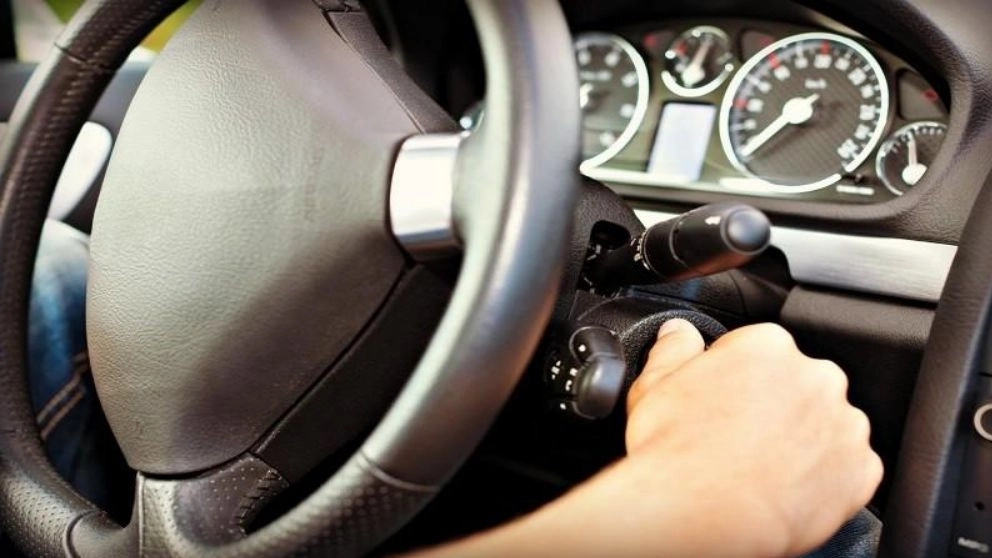
The start switch of your car is usually located on the column near the steering wheel. When you turn the ignition key, this switch should turn on the power to your car's electrical system. However, when it fails, then it causes problems for your vehicle. This means your gas pump, starter and other vital parts will have no power. A broken starter switch prevents your car from starting. If you suspect this is the problem, you may want to check the fuse box first. A blown fuse can have similar symptoms. Troubleshooting electrical issues can be complicated because it requires a lot of time and the right tools.
10. Dirty motor pile
Dirty spark plugs will not create a spark inside your combustion chamber to ignite your air/fuel mixture. Without spark, your engine won't run. Even if your car starts, bad plugs will cause your vehicle to run very rough. Changing the spark plugs is part of the car's regular periodic service, and you should refer to the car's manual for the proper interval for changing the spark plugs.