

The difference between welding CO2 (MiG) and Argon (Tig)
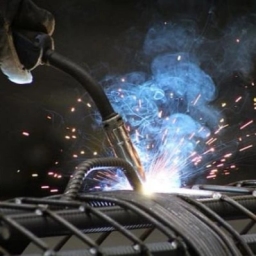
MIG is one of the welding methods that is performed by a shielding gas (co2). In this type, a torch, welding, capsule and co2 wire are used. This type of welding is more commonly used because it is more convenient than TIG (argon). Work or continuous welding is used, but TIG is usually used for spot welding, special and in places where very clean welding is required, both use an electric arc to establish the arc and start welding.
Welding MiG or CO2 Welding
It is a very simple and easy process and cannot be compared to learning how to weld a tig. The technical names of these gases are metal inert gas (MIG) and tungsten inert gas (TIG).
A MiG welder uses a welding machine and welding wire (welding wire) that fuses two bases and base metals together by melting and can weld a variety of materials such as mild steel, stainless steel and aluminum and sheets It welds metal from low to high thickness. On the other hand, TIG welding (Argon welding) is usually used for thinner materials. The items that are made with this process are things like sinks and tool boxes, aerospace industries, etc. But in general, TIG welding can be used with any diameter due to its specialization and welding of any type of metal and the fact that the metals are not the same in welding, which is impossible in CO2 welding.
MIG welding
Argon Welding (TIG)
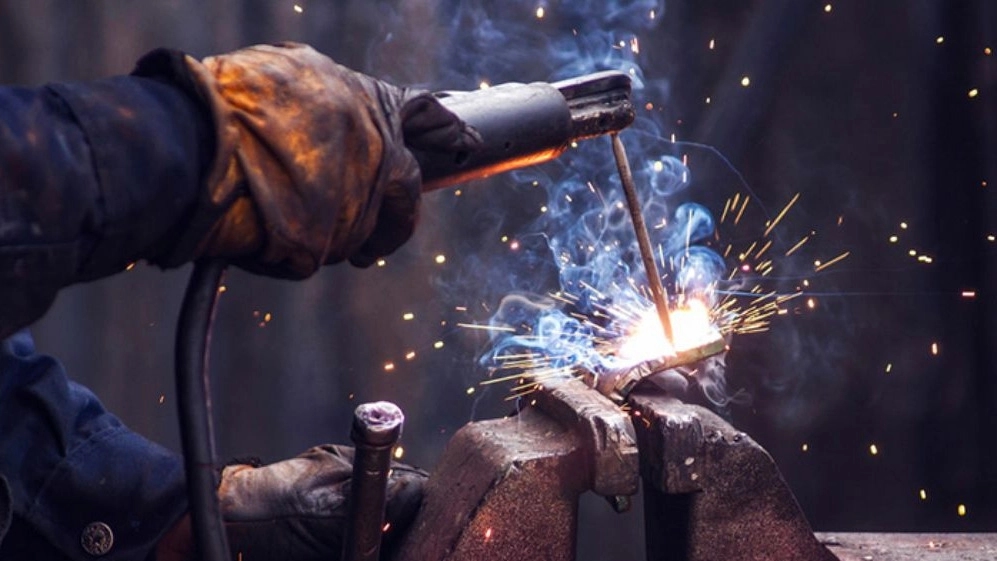
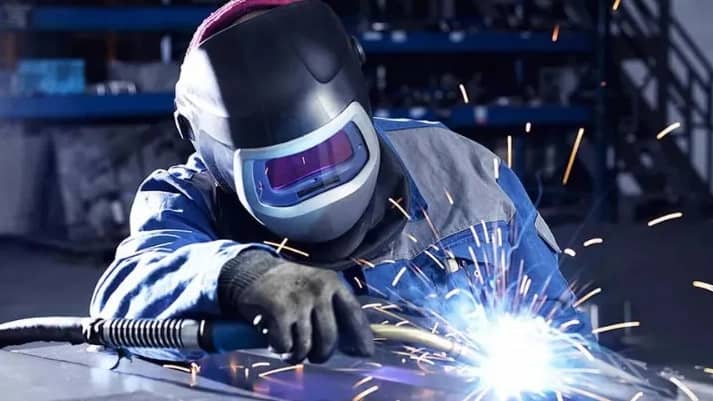
One of the most specialized and diverse types of welding in the world is TIG or Argon welding. In this welding mode, you need an AC or DC power generator (in some welding modes, you need to support both), argon welding torch, tungsten, argon capsule, regulator and some twin hose.
< br>In this tungsten welding, an electric arc is created, and there is a special tungsten for each alloy or metal, whose colors are:
Red: This type of tungsten was carcinogenic due to its radioactivity and is no longer produced anywhere, but unfortunately it is still used a lot in Iran.
The reason for excessive use of this tungsten is that because the price of this color is lower than tungsten and almost all alloys and metals can be welded with this type of tungsten, it is used. Another reason That arc is very good and convenient. So that a person who is not well versed in argon welding can also establish an electric arc with this welding.
Metals and alloys that can be welded with this type of tungsten are:
Iron, steel, titanium and copper. We are talking about TIG and MIG. As you know, these two types are the main types of welding. The term used for each refers to their type of operation. MIG is from the words metal and neutral gas. (MIG – Metal Inert Gas)
1. Usable metals without restriction
The MIG process was first used for welding aluminum and magnesium alloys and stainless steel. This process can weld most metals and alloys, and it is economically viable. The nature of this process dictates that most metals and alloys are welded with it. Anyway, this process is more suitable for some metals and it rarely happens that metal cannot be welded with it. With this method, all types of carbon steel, low-alloy steel, stainless steel, heat-resistant alloys, aluminum and its alloys (****, ****, **** series), copper and its alloys, and magnesium alloys can be easily welded.
2. Usable metals under certain conditions
Metals that can be welded with the MIG method, but require special methods and conditions, include high strength steels, **** and **** series aluminum alloys, copper alloys that have a large percentage of zinc, such as manganese bronze, cast iron, austenitic manganese steel, Titanium and its alloys and late transition metals. Welding of these metals by MIG method may require preheating, heat treatment after welding, use of special welding wire and use of shielding gas in a wide area around the weld.
1. Metals without use
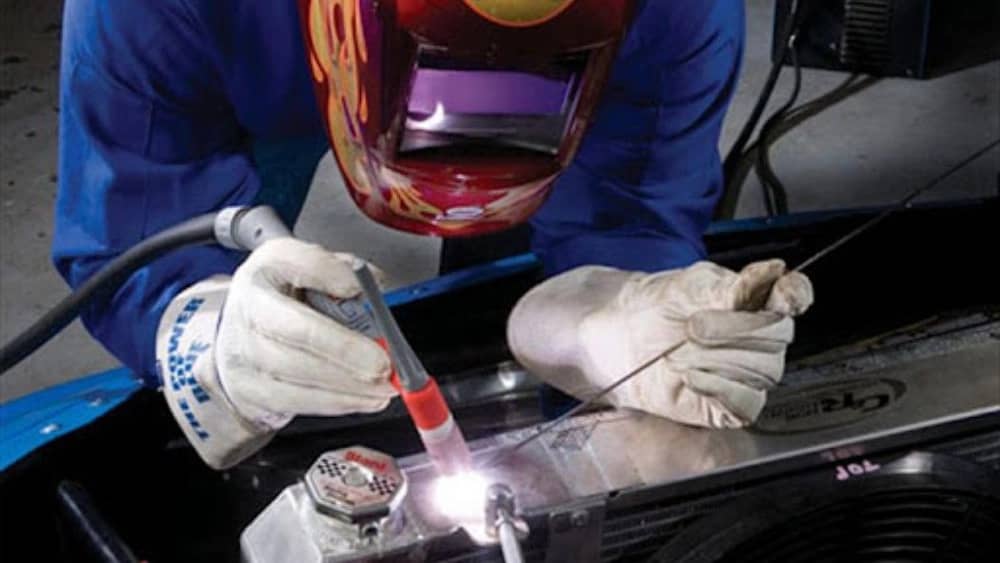
Metals that have a low melting point, such as lead and tin, cannot be MIG welded. For welding metals coated with zinc, cadmium, tin, and lead, the metal coating must be completely removed around the joint and recoated after welding if needed.
The method of MiG-Mig welding is significantly different from manual electric arc welding. The coating of the electrode in arc welding with a manual electrode has anti-oxidizing materials and some alloy elements that help the quality and health of the weld and its mechanical properties. Electrode coating in addition to creating slag that protects the weld surface. When burning, it creates a shielding gas that removes harmful elements from the air around the weld. By creating ions that help stabilize the arc, the coating can control the arc and be effective in transferring metal in different welding situations.
In Mig-Meg welding, all goals are common, but they are achieved with a slight difference. First, the desired arc is obtained by relative control of volts, amperes with the shielding gas used. Second, metal elements that have a greater affinity for oxygen element than iron metal are added to the electrode wire for oxidation, favorable mechanical and physical properties, and healthy welding. Finally, oxygen is absorbed by the elements in the welding wire in the interactions between the arc and the molten pool.