
Important Tips When renting light and heavy crane
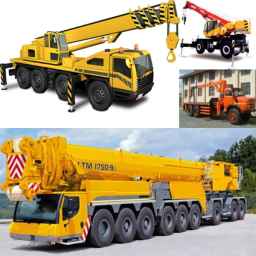
Before renting a crane, consider the type of load you are lifting. In a construction project, different types of loads may include machinery, bulk materials, concrete items, and more. Looking for a crane, the necessary accessories are also provided for you so that you can feel at ease when lifting your loads and know that you have an efficient crane at your disposal. Some cranes have compartments for carrying tools while others are equipped with accessories such as elevators suitable for hoists. Additionally, consider the approximate weight of the loads you'll be lifting to ensure you rent the right size crane. Avoid carrying loads that exceed the crane's weight capacity as this can result in fatal injuries to workers.
Lift technique
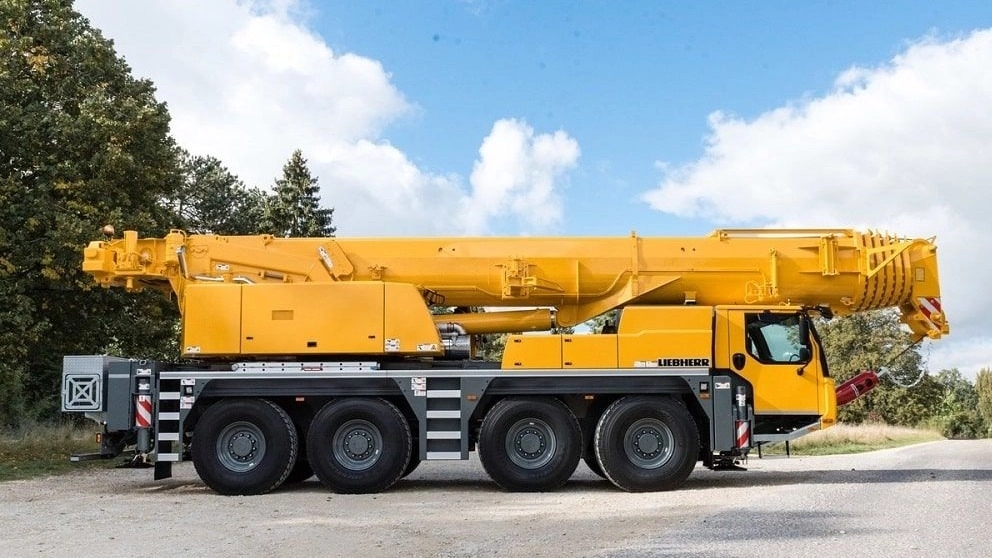
Different loads require different lifting techniques to ensure safety and efficiency on a construction site. The method of lifting personnel may not be suitable for lifting construction equipment.
Each type of crane is suitable for a specific lifting method. Examples of common lifting methods include choker lifting, basket gluing, and vertical gluing. Each method used by the lifter has its own limitations.
When choosing a rental crane, consider the type of load, the weight of the load and the most suitable lifting technique. Improper use of lifting can increase the risk of accidents in the workplace.
In your crane rental, Towercrane can recommend the safest and most efficient lifting method for your specific type of load.
Project terms or position
After understanding the load requirements, evaluate the conditions of your situation to determine the right type and size of crane for your project. First, consider how high you want to lift the load to choose a crane that fits that height. Specify the required boom and how to adjust the boom, and then choose the crane you need.
At higher altitudes, the boom is exposed to potentially dangerous wind gradients. This can affect the type and weight of your load.
Choose a crane that has the ability to lift as high as your project requires, taking into account height and wind conditions.
In the second step, consider the stability of the land at your project site. Cranes exert a strong downward pressure when lifting a load, and this can destabilize the ground below and reduce its stability.
Some cranes are more suitable for concrete surfaces. Others are safe to work on dirt surfaces while others are designed for rough terrain.
Safety
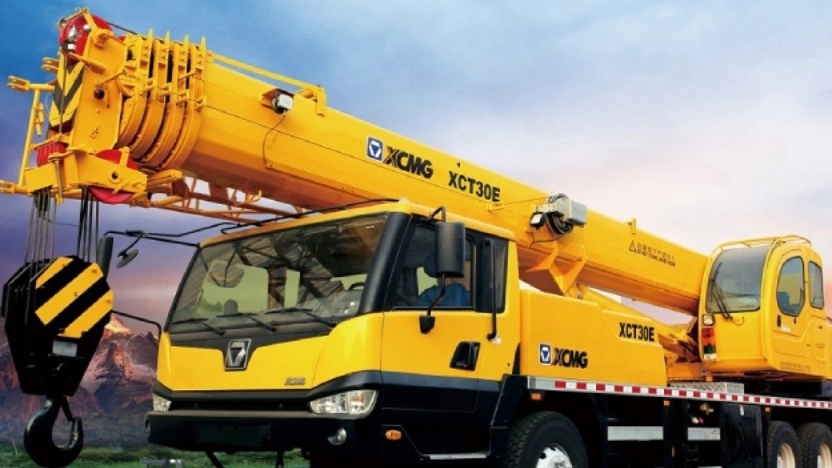
Identify potential obstacles that could make crane operation difficult or increase workplace hazards. Look for hazards such as power lines, buildings, underground utilities or trees that can prevent certain types of cranes from working properly.
Types of cranes
Tower cranes
Telescopic cranes
Overhead cranes
Loader cranes
Rough terrain cranes
There are also mobile cranes that can be removed from construction projects if necessary. In fact, it all depends on what you want from your crane rental.
The crane company that rents you the crane should have plenty of them available. They should be able to guide you through the different types of cranes and help you choose the one that best suits your needs.
In most cases, you can keep a crane from the time you want to rent it until the time you want to pay for it. But this is not always the case, so it never hurts to ask about how long the crane will be used.