

Robits false ceiling
The main structure consists of corners and rebars that are connected to the main frame by welding, and after being connected to each other by reinforcing wire, a strong metal grid is created on which galvanized nets (rabbits) are installed. And finally plaster or cement covers it. This type of roof has a relatively high weight.
False ceiling
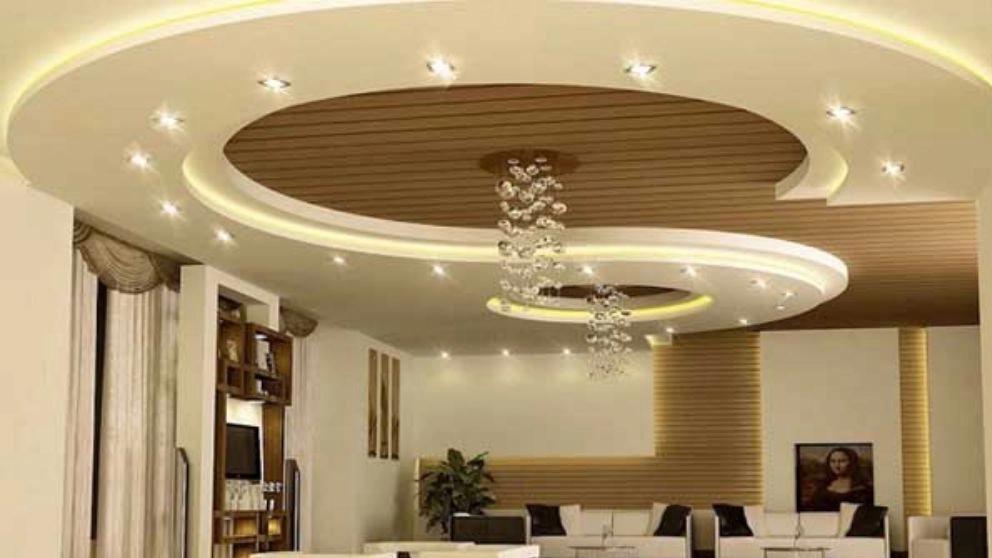
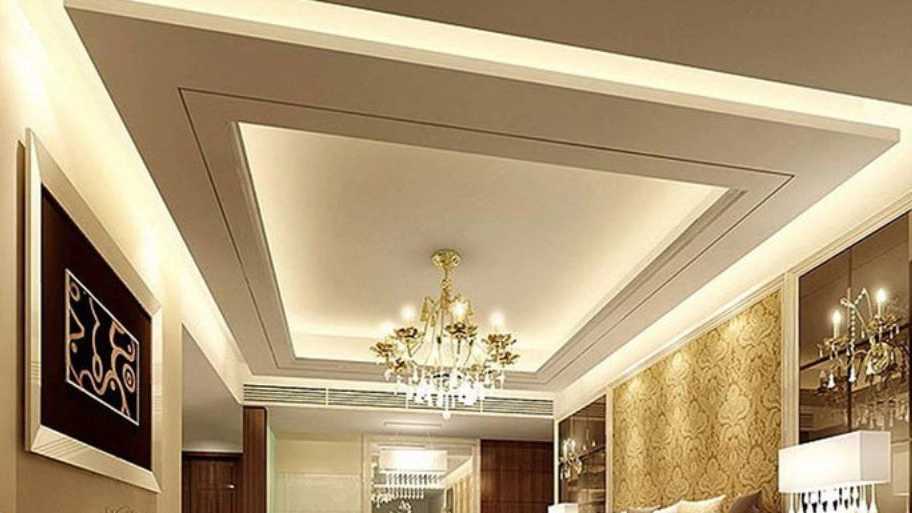
Knaf is usually used to beautify and create hidden lights inside the building. First, a network of light profiles is connected by special screws, which must be firmly placed in the ceiling and walls. Then, plaster sheets called kenaf are cut with desired designs and riveted on the profiles. For beautification, after sanding, paint is applied on it. This roof can be used for flat and raised surfaces, which has a high installation speed.
False acoustic ceiling
This type of ceiling creates a sound isolation for many places, including halls with speakers such as lecture halls. In this type of roof, materials such as fabrics, cardboard sheets, plasterboards, etc. are used.
False aluminum ceiling
This type of roof is made of various types of galvanized sheets in different colors, where the sheets are fastened in the form of tiles in the grooves of each other, and it is very light. This type of roof does not need beautification because the sheets have ready designs.
The wooden roof and composite
Today, wooden and composite false ceilings, including plastic materials, are also widely used. First, the basic structure of this roof is created with light and angular profiles, and then the desired tiles are placed inside each other in desired dimensions.