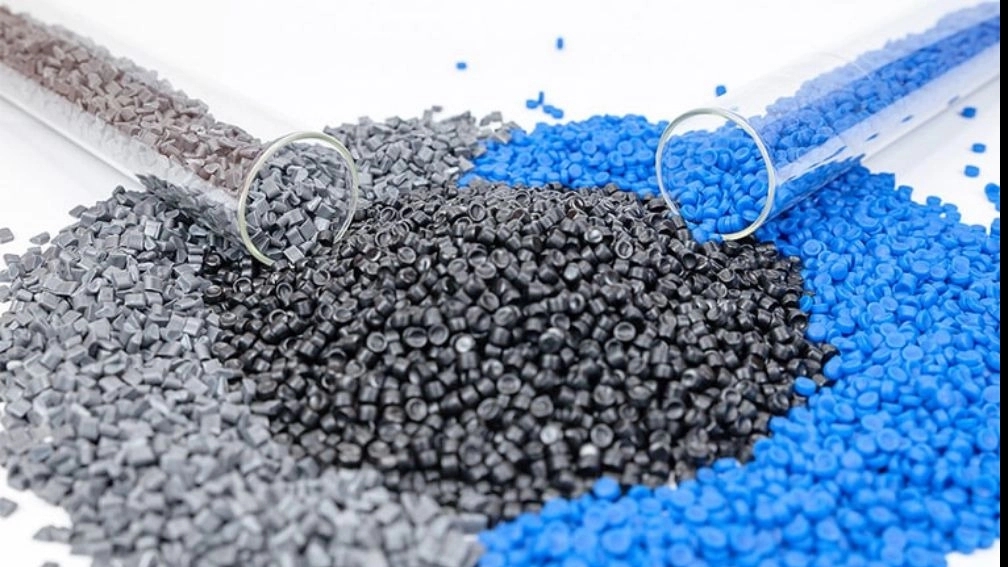

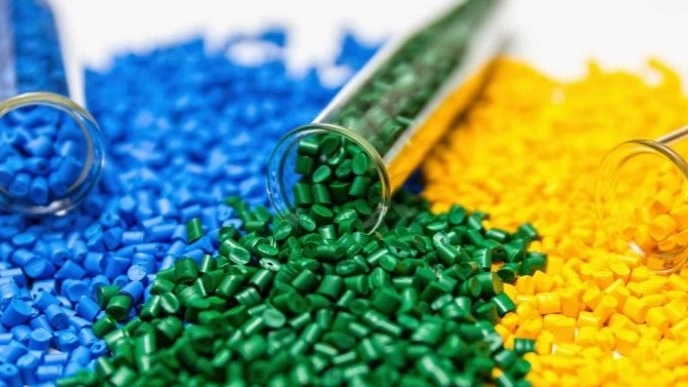
Common properties of polymers
Most manufactured polymers are thermoplastic, meaning they can be repeatedly heated and shaped after production. This characteristic of the polymer allows easy machining and deformation and recycling. Thermostats cannot be re-melted. If the polymer is reheated after production, the material will degrade but never melt
Each polymer has very different properties, but most polymers have the following common characteristics:
✅ Polymers have high resistance to chemicals. Consider cleaning liquids packaged in plastic in your home. On the parts of the label, the dangers that the chemical causes when it comes into contact with the skin or eyes or if it is swallowed are written. The extent of this risk highlights the chemical resistance of that polymer. Some plastics dissolve easily, while others may require more aggressive solvents.
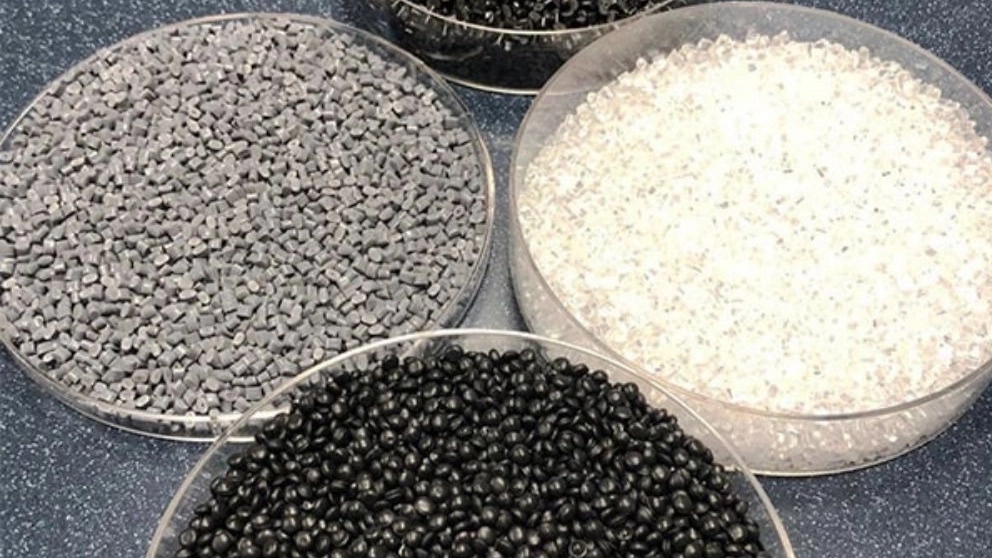
✅ Polymers can be both thermal insulation and electrical insulation. Consider all electrical appliances, cords, outlets, and wires made or coated with polymeric materials. Polymer pot and pot handles, coffee pot handles, refrigerator and freezer foam cores, insulated cups, coolers, and microwave pots are produced with polymer for heat resistance. The thermal underwear that many skiers wear is made of polypropylene, and the fiberfill in winter jackets is acrylic and polyester.
✅ Polymers are very light and very strong. So the polymer has many uses, including toys, the bone structure of space stations, fine nylon fibers in tights, and Kevlar in bulletproof vests. Some polymers float in water and others sink. However, compared to the density of stone, concrete, steel, copper or aluminum, it can be said that all plastics are light.