

Application of asphalt
By mixing bitumen and stone materials, a sticky and dense material is obtained, which is called asphalt concrete. Asphalt concrete has different types depending on the type of bitumen and the type of aggregates used in its mixture. Durability and performance of asphalt concrete depends on its type. In some cases, asphalt fibers are used to strengthen asphalt concrete. Due to the increase in traffic on urban roads, improving the performance of concrete and road pavement is very important. In this regard, the use of technologies such as hot and cold and recycled asphalt, emulsions, rubber powder, etc. has been considered.
Types of asphalt
Hot Asphalt
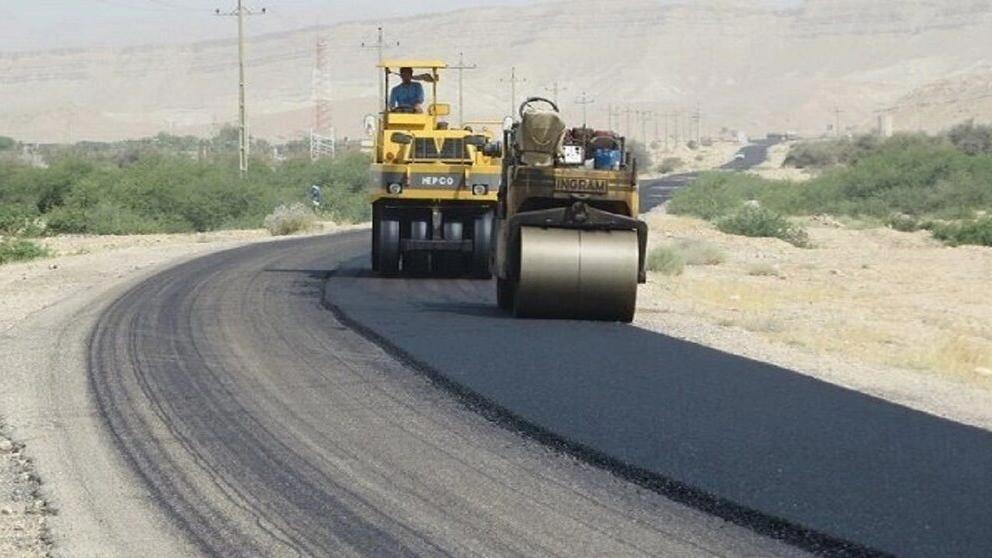
Hot asphalt is mixed with bitumen and spread on the desired surface. Hot asphalt is a mixture of gravel, sand and bitumen, which is produced at a temperature between 105 and 163 degrees Celsius, depending on the type of bitumen. This type of asphalt becomes solid and very resistant after cooling. Hot asphalt is produced in different types, the most resistant of which is asphalt concrete. Asphalt concrete is obtained by mixing high-quality crushed stones and pure bitumen. This asphalt is used in paving roads and runways and is very durable against harsh weather conditions and heavy traffic.

Protective Asphalt
Protective asphalt is also a combination of broken stones with bitumen. Of course, the size of the stones in this type of asphalt is smaller, and the purpose of its production is to protect the desired area. This type of asphalt is used in roads where the pressure is less. The thickness of protective asphalt is usually 2.5 cm.
Cold asphalt
Cold asphalt mixture is like hot asphalt, with the difference that it is mixed at ambient temperature. This type of asphalt is used in the construction of roads, maintenance and repair of pavements, and flooring of halls and sports venues.