
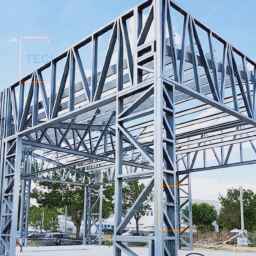

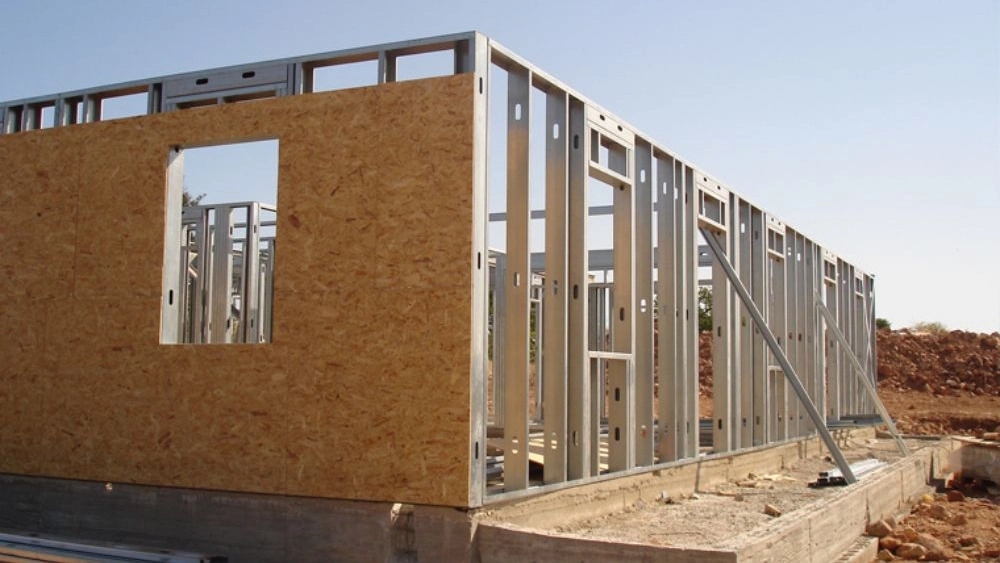
These buildings have minimal waste of materials and energy during construction and waste minimal energy during operation. In addition, many materials are used in this type of building. At the end of the building's life, it can be returned to nature or recycled. LSF buildings are known in the world as environmentally friendly buildings. LSF structures and other materials used in buildings built in this style are light in weight and the energy required to transport them is much less than It is a traditional material. This means less air pollution. It means preserving the world's energy resources for future generations.
Using industrial construction methods and specifically, using LSF method, is very important and effective for protecting the environment. This issue has many technical and expert reasons. Today, prefabricated houses are considered as one of the best options for building houses and villas, which are environmentally friendly in addition to being anti-earthquake.
Important factors that LSF LSF structures are environmentally friendly
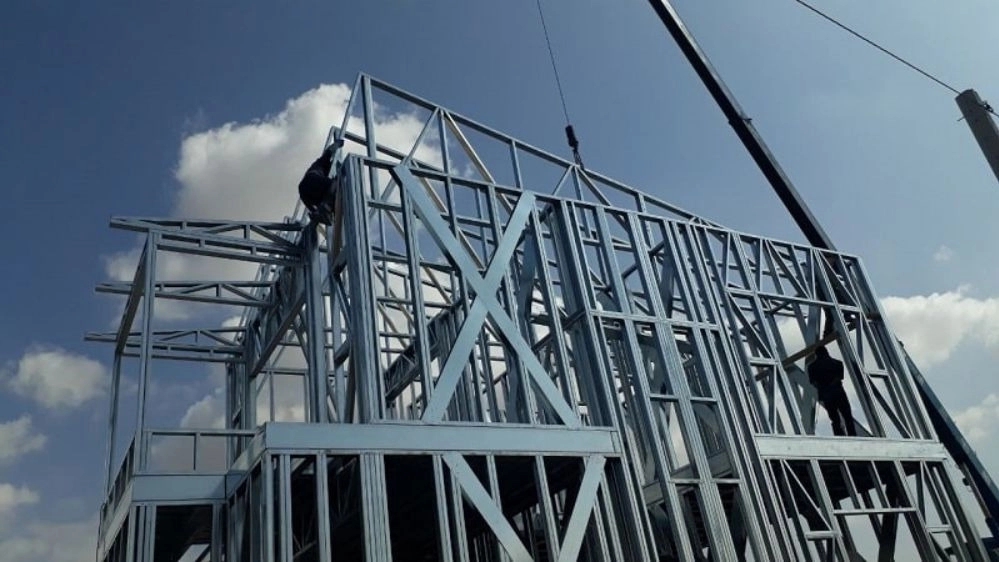
Reduction of greenhouse gases: For the production of LSF building, half of the energy required for the production of concrete and metal buildings is consumed. This means less greenhouse gas production.
Reduction of air pollution: LSF and other materials used in buildings that are built in this style are light and energy-efficient to transport. They are much less than traditional materials. This means less air pollution. It means preserving the world's energy resources for future generations.
Preserving valuable resources: Valuable materials such as clay, which plays a vital role in agriculture and industry, and is used in bricks and cement with a lot of energy. will be removed and a recyclable LSF structure will replace it.
The possibility of recycling materials and a cleaner environment: The parts and materials used in these buildings after The end of the building's useful life and its destruction can be recycled and returned to nature, while traditional materials such as brick and concrete, due to the change in nature during production, either never return to nature, or it is possible to return to nature after millions of years.
Waste reduction: Compared to traditional buildings, building materials become waste much less. Building wastes from traditional constructions are one of the most polluting factors of the environment in small and big cities.
Optimal energy consumption: Walls, roof and floor, in comparison with Traditional buildings lose less heat and cold and energy consumption is reduced.